
Introduction
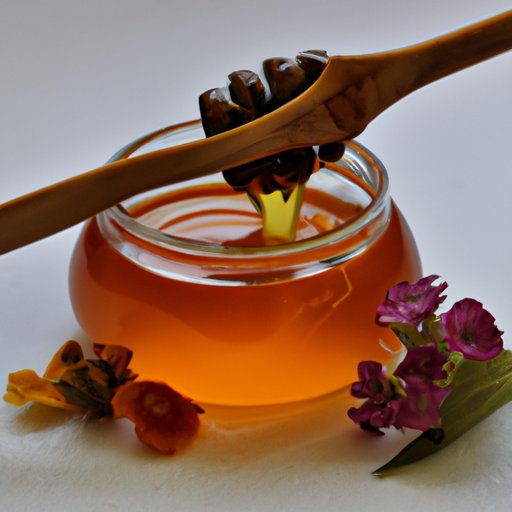
Honey is a natural sweetener that has been used for centuries as a remedy for a variety of ailments. It is made by bees from the nectar of flowers and contains a range of beneficial compounds, including vitamins, minerals, and antioxidants. In this article, we will explore the nutritional profile of honey and its potential health benefits, as well as any potential risks associated with consuming it.
Analyzing the Nutritional Profile of Honey and Its Health Benefits
Honey is composed primarily of carbohydrates, including fructose, glucose, maltose, and sucrose. It also contains small amounts of protein, fiber, and fat, as well as various vitamins and minerals. One tablespoon (21 grams) of honey contains 64 calories, 17 grams of total carbohydrates, and 0.3 grams of protein, fiber, and fat.
Honey is rich in vitamins and minerals, including vitamin C, calcium, iron, magnesium, phosphorus, potassium, zinc, and selenium. It also contains small amounts of B vitamins, such as thiamin, riboflavin, niacin, pantothenic acid, and folate.
Consuming honey may offer a range of potential health benefits. Studies have found that honey has antibacterial, anti-inflammatory, and antioxidant properties, which may help protect against infections, reduce inflammation, and fight off free radicals. It has also been shown to improve blood sugar control, boost heart health, and even aid in weight loss.

Exploring the Potential Risks Associated With Consuming Honey
Although honey is generally safe to consume, there are some potential risks associated with eating too much of it. People who are allergic or sensitive to bee products may experience an allergic reaction when consuming honey. Additionally, honey can interact with certain medications, so it is important to consult your doctor before consuming it if you are taking any medications.
Honey should also be consumed in moderation if you have diabetes or other blood sugar-related conditions, as it can raise blood sugar levels. It is best to speak to your healthcare provider about the appropriate amount of honey to include in your diet if you have diabetes or another medical condition.
Examining the Scientific Evidence for Using Honey as a Natural Remedy
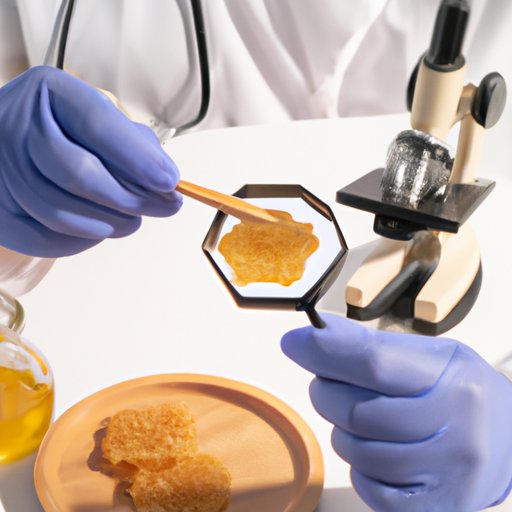
Studies have found that honey has powerful antibacterial properties. It has been shown to inhibit the growth of bacteria, including Staphylococcus aureus, Escherichia coli, and Pseudomonas aeruginosa. Honey has also been found to have anti-inflammatory effects and to reduce inflammation in the body.
In addition, studies have shown that honey has strong antioxidant properties. Antioxidants are compounds that help protect the body from damage caused by free radicals. Honey has also been found to improve blood sugar control, boost heart health, and aid in weight loss.
Investigating the Differences Between Raw Honey and Processed Honey
Raw honey is honey that has not been heated, pasteurized, or filtered. It retains all of its beneficial compounds, such as vitamins, minerals, and antioxidants. Processed honey, on the other hand, is heated and filtered, which removes some of its beneficial compounds.
Raw honey is thought to have more health benefits than processed honey. Studies have found that raw honey has higher levels of antioxidants, which may help protect against disease. However, processed honey may be easier to use in recipes and may be less likely to contain contaminants.

Comparing Honey to Other Sweeteners and Their Potential Health Effects
When comparing honey to other sweeteners, it is important to consider their nutritional profiles and potential health effects. For example, table sugar is composed primarily of sucrose and contains no vitamins or minerals. Agave syrup is high in fructose but relatively low in other nutrients. Maple syrup is higher in minerals than other sweeteners, but still contains no vitamins.
Each of these sweeteners can have potential health benefits, depending on the amount that is consumed. Table sugar has the least amount of health benefits, while agave syrup and maple syrup may have some potential benefits, such as improved blood sugar control and antioxidant activity. Honey, however, is the only sweetener that has been shown to have antibacterial, anti-inflammatory, and antioxidant properties.
Investigating the Use of Honey in Traditional Healing Practices
Honey has long been used in traditional healing practices to treat a range of ailments, from wounds and skin infections to digestive issues and sore throats. In traditional Chinese medicine, honey is often used in combination with other herbs and spices to treat a variety of ailments. Similarly, Ayurvedic medicine uses honey as a remedy for respiratory and digestive problems.
The potential benefits of using honey in traditional healing practices are numerous. Honey has antibacterial and anti-inflammatory properties, which may help to reduce inflammation and fight off infections. It also contains antioxidants, which may help to protect against disease. Additionally, honey is a natural sweetener with a pleasant taste, making it an ideal ingredient to use in herbal remedies.
Conclusion
In conclusion, honey is a natural sweetener with a range of potential health benefits. It is rich in vitamins and minerals, as well as antioxidants, which may help protect against disease. Studies have also found that honey has antibacterial, anti-inflammatory, and antioxidant properties, which may help to reduce inflammation and fight off infections. Additionally, honey has been used in traditional healing practices for centuries and may offer a range of potential benefits.
However, it is important to note that honey can interact with certain medications and should be consumed in moderation if you have diabetes or other blood sugar-related conditions. It is also important to compare honey to other sweeteners, such as table sugar, agave syrup, and maple syrup, as each has its own potential health benefits and risks. Ultimately, honey is a nutritious sweetener that can be enjoyed in moderation as part of a balanced diet.
(Note: Is this article not meeting your expectations? Do you have knowledge or insights to share? Unlock new opportunities and expand your reach by joining our authors team. Click Registration to join us and share your expertise with our readers.)