
Introduction
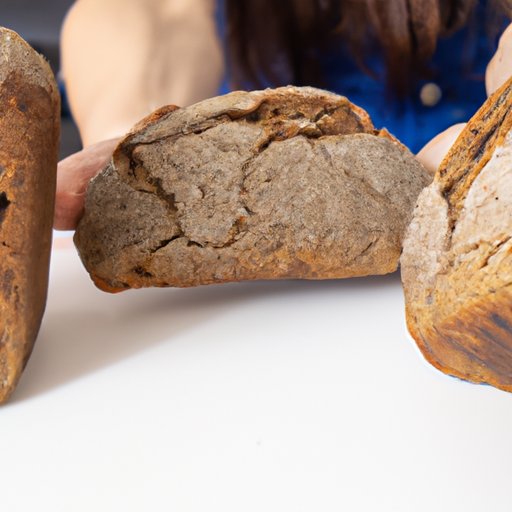
Homemade bread is a popular comfort food that has been enjoyed for centuries. It is made from flour, yeast, salt, water, and other ingredients such as seeds and spices. There are many different types of homemade breads, including sourdough, rye, and whole wheat. While store-bought bread can be convenient, there are many advantages to baking your own bread at home.
Bread has been an important part of the human diet for millennia, and it is still a staple food in many cultures. In recent years, there has been an increased interest in the health benefits of homemade bread. Many people believe that it is healthier than store-bought bread, but is this really true? Let’s take a closer look at the nutritional content of homemade bread and how it compares to store-bought bread.

Exploring the Health Benefits of Homemade Bread
Homemade bread has a number of health benefits. It is rich in minerals and vitamins, and provides essential nutrients that are important for overall health. Additionally, homemade bread is free from preservatives and additives, which can be found in some store-bought bread.
Nutritional Content
Homemade bread is a good source of complex carbohydrates, which provide energy and help to regulate blood sugar levels. It also contains fiber and protein, both of which are important for a healthy diet. A single slice of homemade bread typically contains around 100 calories, 2 grams of fat, 4 grams of protein, and 3 grams of fiber. Additionally, homemade bread is rich in minerals such as iron, calcium, and magnesium.
Role of Fresh Ingredients
The quality of the ingredients used to make homemade bread is also important. Using fresh, high-quality ingredients can significantly improve the nutritional value of the bread. For example, using unbleached flour instead of bleached flour can increase the amount of vitamins and minerals in the bread. Similarly, using organic ingredients can reduce the amount of pesticides and other contaminants found in the final product.
Impact of Different Baking Techniques
The baking technique used to make homemade bread can also have an effect on its nutritional content. Breads that are allowed to ferment for a longer period of time, such as sourdough, may contain higher levels of beneficial bacteria. Additionally, breads that are baked at lower temperatures for longer periods of time can retain more of their nutrients.
Comparing the Nutritional Content of Homemade and Store-Bought Bread
While homemade bread can be healthier than store-bought bread, it is important to understand the nutritional differences between the two. Let’s take a look at the macronutrients, vitamins, and minerals found in each type of bread.
Macronutrients
Store-bought bread typically contains more fat and fewer carbohydrates than homemade bread. Additionally, it often contains added sugars and salt, which can be unhealthy if consumed in large amounts. On the other hand, homemade bread is usually lower in fat and contains more complex carbohydrates, which provide long-lasting energy.
Vitamins and Minerals
Homemade bread is generally richer in vitamins and minerals than store-bought bread. This is due to the fact that store-bought bread often contains preservatives and additives, which can reduce its nutritional content. Additionally, store-bought bread is often made with bleached flour, which is stripped of many of its beneficial nutrients.

Investigating the Role of Fresh Ingredients in Homemade Bread
Using fresh ingredients can have a significant impact on the nutritional content of homemade bread. Here are some of the key factors to consider when choosing ingredients for your homemade bread.
Quality of Flour
Using unbleached flour instead of bleached flour can increase the amount of vitamins and minerals in the bread. Unbleached flour is made from grains that have not been exposed to chlorine dioxide gas, which can strip away some of the beneficial nutrients. Additionally, unbleached flour has a lower glycemic index, meaning it will not cause your blood sugar to spike as quickly as bleached flour.
Use of Yeast
Yeast is an important ingredient in bread, as it helps to leaven the dough and gives the bread its distinctive flavor. However, some types of yeast can contain unhealthy additives, so it is important to choose a high-quality yeast for your homemade bread. Additionally, using active dry yeast instead of instant yeast can increase the nutritional content of the bread.
Variety of Flavorings
Adding different flavors to your homemade bread can enhance its taste and add to its nutritional value. For example, adding nuts and seeds can increase the amount of healthy fats and fiber in the bread. Additionally, adding herbs and spices can add valuable vitamins and minerals, as well as providing an extra boost of flavor.
Examining the Impact of Different Baking Techniques on the Nutritional Value of Homemade Bread
The baking technique used to make homemade bread can also have an effect on its nutritional content. Here are some of the key factors to consider when baking your own bread.
Fermentation Process
Allowing the dough to ferment for a longer period of time, such as overnight or even several days, can increase the nutritional value of the bread. This is because the fermentation process breaks down some of the starches into simple sugars, which makes them easier for the body to digest. Additionally, allowing the dough to ferment for a longer period of time can increase the amount of beneficial bacteria in the bread.
Temperature and Cooking Time
The temperature and cooking time of the bread can also affect its nutritional content. Generally speaking, breads that are baked at lower temperatures for longer periods of time tend to retain more of their nutrients. Additionally, breads that are cooked at higher temperatures for shorter periods of time can become dry and crumbly.
Assessing the Health Risks of Eating Home-Baked Bread
Eating homemade bread can be a healthy choice, but there are some potential health risks that you should be aware of. Here are a few things to keep in mind when baking and consuming homemade bread.
Presence of Mold and Contaminants
Uncooked bread dough can contain harmful bacteria, such as E. coli, which can cause food poisoning if ingested. Additionally, bread that is stored in warm, damp conditions can develop mold, which can be dangerous if eaten. Make sure to always cook bread thoroughly and store it in a cool, dry place.
Cross-Contamination
When baking bread, it is also important to avoid cross-contamination. For example, if you are making bread with raw eggs, make sure to wash all utensils and surfaces after use. Additionally, make sure to keep raw and cooked ingredients separate to prevent the spread of bacteria.
Conclusion
Overall, homemade bread can be a healthy addition to your diet. It is rich in vitamins and minerals, and is free from preservatives and additives. Additionally, using fresh, high-quality ingredients and the right baking techniques can further increase the nutritional value of homemade bread. However, it is important to be aware of the potential health risks associated with eating home-baked bread, such as the presence of contaminants and the risk of cross-contamination.
(Note: Is this article not meeting your expectations? Do you have knowledge or insights to share? Unlock new opportunities and expand your reach by joining our authors team. Click Registration to join us and share your expertise with our readers.)