
Introduction
Hiking is an outdoor activity that combines walking with exploring nature, usually on trails or in parks. It’s a popular form of exercise that can be done almost anywhere, regardless of age or fitness level. The benefits of hiking as exercise are numerous, and include improved aerobic and strength-building activity, potential for weight loss, low impact on joints, and psychological benefits such as reduced stress and improved mental clarity.
Comparing the Benefits of Hiking to Other Forms of Exercise
One of the major benefits of hiking as exercise is its ability to improve both aerobic and strength-building activity. According to a study by the American Council on Exercise, hiking is considered a moderate-intensity exercise, which means it can help increase your heart rate and breathing rate to burn calories. Additionally, hiking includes elements of strength-building exercise, such as inclines and declines, which can help build muscle and improve balance.
Hiking can also be an effective form of exercise for weight loss. A 2013 study published in the Journal of Physical Activity & Health found that hiking was associated with a lower body mass index (BMI) and waist circumference. Plus, because it’s a low-impact activity, hiking is easier on the joints than more intense forms of exercise, making it a good choice for those who are overweight or have joint pain.
Examining the Health Effects of Different Types of Hiking Trails
The type of trail you choose to hike can also have an effect on the health benefits you receive. For example, a challenging trail with steep inclines and declines will provide a greater aerobic workout than a flat trail. Additionally, trails that vary in elevation can help build leg muscles, while longer trails can help increase stamina and endurance.
Exploring the Calorie-Burning Potential of a Hike
The amount of calories burned during a hike can vary depending on factors such as the intensity of the hike, terrain, elevation, and length of the hike. According to a 2017 study published in the journal Nutrients, a person weighing 150 pounds could burn up to 360 calories per hour while hiking. However, other factors such as age, gender, and body composition can affect calorie burn.

Describing the Psychological Benefits of Outdoor Exercise
In addition to the physical benefits of hiking, there are also psychological benefits to consider. Research has shown that outdoor exercise can reduce stress, improve mental clarity, and increase feelings of wellbeing. A 2018 study published in the journal Frontiers in Psychology found that people who exercised outdoors reported feeling more revitalized and less tense, angry, and depressed compared to those who exercised indoors.
Investigating the Best Gear for a Successful and Safe Hike
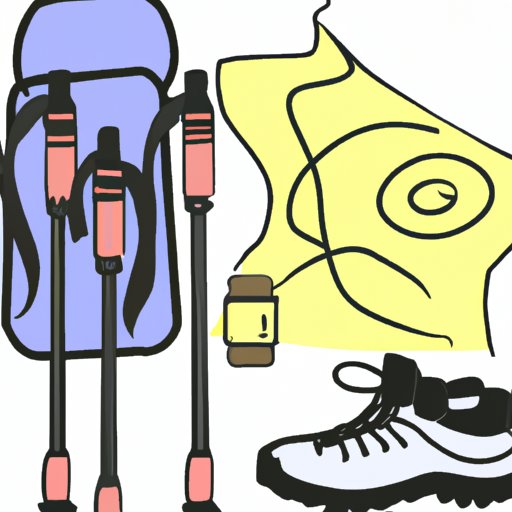
Having the right gear is essential for a successful and safe hike. Appropriate clothing should be chosen based on the temperature and weather conditions. Shoes and socks should be comfortable and supportive, while backpacks and trekking poles can help distribute weight and improve balance.
Analyzing the Amount of Time Needed to Get a Good Workout from a Hike
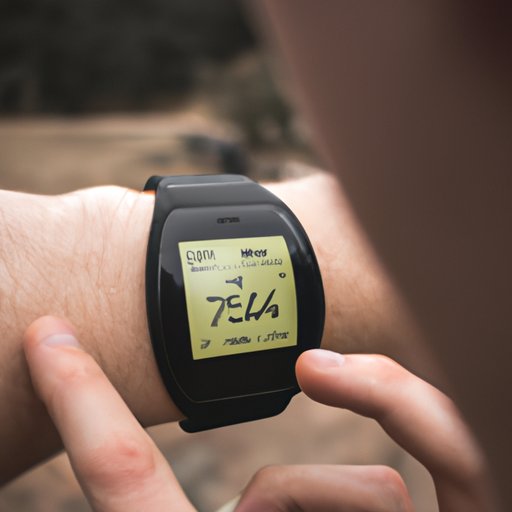
The amount of time needed to get a good workout from a hike depends on the intensity of the hike, the elevation, and the length of the hike. Generally speaking, a one-hour hike at a moderate pace is sufficient to get a good workout. If you’re looking for a more intense workout, longer hikes at higher elevations can be beneficial. Additionally, increasing the frequency of hikes can help improve cardiovascular health.
Conclusion
Hiking is an excellent form of exercise that offers a variety of physical and mental health benefits. It can help improve aerobic capacity, build strength, aid in weight loss, and reduce stress. Additionally, having the right gear and choosing the right type of trail can help ensure a safe and successful hike.
(Note: Is this article not meeting your expectations? Do you have knowledge or insights to share? Unlock new opportunities and expand your reach by joining our authors team. Click Registration to join us and share your expertise with our readers.)