

Introduction
Grilling is an incredibly popular cooking method, as it adds flavor, texture, and convenience to meals. But is grilled food actually healthy? This article will explore the nutritional benefits and health risks associated with grilling, in addition to offering tips for safe grilling practices. We’ll also compare grilled food to fried food and discuss the effects of marinating on grilled meals.
Examining the Nutritional Benefits of Grilled Meals
Grilling can be a healthy cooking method, as it typically involves minimal added fat or calories. That said, the nutritional value of grilled meals depends largely on the ingredients used. Let’s take a closer look at the vitamins, minerals, and macronutrients found in grilled food.
Vitamins and Minerals
The vitamins and minerals present in grilled food depend on the ingredients used. For example, lean meats like chicken, turkey, and fish are rich sources of protein, selenium, B vitamins, and zinc. Vegetables cooked on the grill are good sources of dietary fiber, vitamin C, and carotenoids. Other grilled foods, such as fruits and whole grains, provide key vitamins and minerals as well.
Macronutrients
Grilled meals often contain all three macronutrients: carbohydrates, proteins, and fats. The amount of each macronutrient in a grilled meal depends on the ingredients used. For example, a lean grilled steak contains mostly protein, while a grilled vegetable stir-fry contains mostly carbohydrates. It’s important to pay attention to the types of macronutrients in your grilled meals, as some fats and carbohydrates can have negative health effects if consumed in excess.

Exploring the Health Risks of Grilling Food
While grilling can be a healthy cooking method, there are potential health risks associated with this type of cooking. Let’s take a look at two of the most common health risks associated with grilling.
Carcinogens
When meat is cooked at high temperatures, carcinogenic compounds called heterocyclic amines (HCAs) can form. HCAs have been linked to an increased risk of certain types of cancer. Therefore, it’s important to avoid charring or burning meat when grilling. You should also avoid eating charred pieces of meat, as these contain the highest levels of HCAs.
Formation of Advanced Glycation End Products
Advanced glycation end products (AGEs) are compounds that form when proteins or lipids react with sugar molecules at high temperatures. Eating foods high in AGEs has been linked to an increased risk of chronic diseases, such as diabetes, heart disease, and Alzheimer’s disease. To reduce the formation of AGEs, you should cook your food at lower temperatures and use marinades to limit exposure to direct heat.
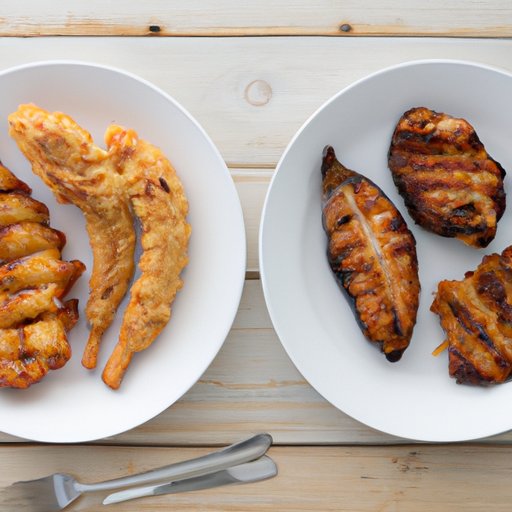
Comparing Grilled vs. Fried Foods
Grilling and frying are two of the most popular cooking methods, but they have very different effects on the nutritional value and health risks of meals. Let’s compare grilled and fried foods in terms of their nutritional values and health risks.
Comparison of Nutritional Values
Fried foods tend to be higher in calories and fat than grilled foods. This is because the added oil or fat used in the frying process increases the calorie and fat content of the food. Fried foods are also usually lower in vitamins and minerals than grilled foods, as some of the nutrients are lost during the cooking process. On the other hand, grilled foods tend to retain more of their original nutritional value, as no added fat or oil is used in the cooking process.
Comparison of Health Risks
Fried foods are typically higher in unhealthy saturated fats and trans fats than grilled foods. These unhealthy fats have been linked to an increased risk of heart disease and stroke. In addition, the high temperatures used in deep-frying can increase the formation of carcinogens and AGEs, which can increase the risk of cancer and chronic diseases. Grilled foods, on the other hand, are generally lower in unhealthy fats and have fewer carcinogens and AGEs than fried foods.
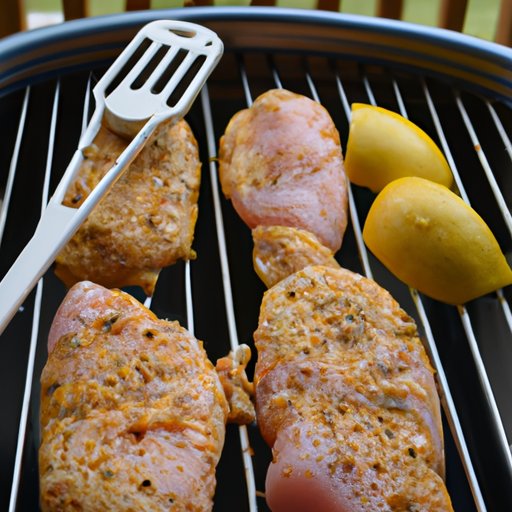
Investigating the Role of Marinating in Healthy Grilling
Marinating is an effective way to add flavor and moisture to grilled food while reducing the formation of carcinogens and AGEs. Let’s explore the benefits of marinating and some popular marinade recipes.
Benefits of Marinating
Marinating helps to tenderize tougher cuts of meat and add flavor to grilled foods. It also reduces the formation of carcinogens and AGEs by creating a barrier between the food and the direct heat of the grill. Finally, marinating can help to keep grilled foods moist, as the liquid helps to lock in moisture during the cooking process.
Popular Marinades
There are countless marinade recipes to choose from, but some of the most popular include: teriyaki, BBQ, honey mustard, Italian, and garlic-herb. Each of these marinades has its own unique flavor profile, so experiment to find one that you like!
Evaluating the Safety of Charcoal and Gas Grilling
Charcoal and gas grills are both popular grilling options, but they differ in terms of their health risks. Let’s compare the safety of charcoal and gas grilling.
Comparison of Health Risks
Charcoal grills produce smoke that can contain polycyclic aromatic hydrocarbons (PAHs). PAHs have been linked to an increased risk of cancer, so it’s important to avoid breathing in the smoke produced by charcoal grills. Gas grills, on the other hand, do not produce smoke, so they are generally considered to be safer than charcoal grills.
Tips for Safe Grilling
No matter which type of grill you use, there are some simple steps you can take to reduce your health risks. First, always cook your food at lower temperatures to reduce the formation of carcinogens and AGEs. Second, marinate your food to create a barrier between the food and the direct heat of the grill. Finally, avoid charring or burning your food, as this can increase the formation of HCAs.
Analyzing the Effects of Grilling on Meat Quality
Grilling can affect the flavor and texture of meat. Let’s explore the effects of grilling on meat quality.
Flavor
Grilling adds flavor to meats due to the Maillard reaction, which occurs when the sugars and amino acids in the meat react with heat. This reaction creates hundreds of new flavor compounds that give grilled meat its signature smoky flavor. Adding a marinade can further enhance the flavor of grilled meats.
Texture
Grilling can also affect the texture of meats. Leaner cuts of meat, such as chicken breasts or pork chops, tend to become dry and tough when overcooked. Fattier cuts of meat, such as steaks and burgers, become more tender and juicy when cooked correctly. It’s important to monitor the temperature of your grill and to avoid overcooking your meats.

Discussing the Popularity of Grilled Meals
Grilling is an incredibly popular cooking method due to its convenience, flavor, and versatility. Let’s look at some of the reasons why grilled meals are so popular and some of the most popular grilled recipes.
Reasons for Popularity
Grilling is a fast and easy way to cook a variety of foods. It’s also a great way to get together with friends and family, as grilling is a social activity. Finally, grilled foods often taste better than other cooked foods, as the Maillard reaction adds flavor and texture to meats and vegetables.
Popular Grilling Recipes
Some of the most popular grilled recipes include: burgers, kebabs, steak, ribs, salmon, shrimp, corn on the cob, and pizza. Each of these recipes is easy to make and packed with flavor. They’re also versatile, as you can mix and match different ingredients to create your own unique recipes.
Conclusion
Grilling can be a healthy and delicious way to prepare meals. However, there are potential health risks associated with grilling, such as the formation of carcinogens and AGEs. To reduce your health risks, it’s important to cook your food at lower temperatures and use marinades to limit exposure to direct heat. By following these simple tips, you can enjoy the flavor and convenience of grilled meals without sacrificing your health.
(Note: Is this article not meeting your expectations? Do you have knowledge or insights to share? Unlock new opportunities and expand your reach by joining our authors team. Click Registration to join us and share your expertise with our readers.)