
Introduction
Investing in gold and silver has been a popular way of diversifying an individual’s portfolio for centuries. The value of these precious metals has traditionally held up better than other investments during times of economic uncertainty, making them attractive options for those looking to protect their assets. However, there are also risks associated with investing in gold and silver, and it is important to understand both the pros and cons before making any decisions.
Analyzing the Pros and Cons of Investing in Gold and Silver
When considering whether or not to invest in gold and silver, it is important to weigh the potential benefits against the associated risks. On the one hand, gold and silver are generally considered safe-haven investments, which means they tend to perform well during times of economic downturn. They also have the potential to appreciate in value over time, especially if the demand for these metals increases.
On the other hand, investing in gold and silver comes with certain risks. For example, the prices of these metals are volatile and can fluctuate significantly over short periods of time. Additionally, gold and silver investments are not always liquid, meaning they may be difficult to sell quickly when needed. It is also important to note that gold and silver investments do not generate income like other investments such as stocks and bonds.
Examining Historical Trends in Gold and Silver Prices
When analyzing the potential returns from gold and silver investments, it is helpful to look at historical trends in prices. Over the long term, gold and silver prices have generally appreciated in value, though the rate of appreciation has varied over the years.
According to a study conducted by the World Gold Council, the price of gold increased by an average of 6.3% annually from 1971 to 2020. Similarly, silver prices increased by an average of 5.7% annually over the same period. While these increases may seem modest, they have outpaced inflation over the long term, meaning gold and silver investments have been able to maintain their purchasing power.
In the short term, however, gold and silver prices can be more volatile. This is due to a variety of factors, such as changes in supply and demand, geopolitical events, and investor sentiment. As such, it is important to keep a close eye on the market when investing in gold and silver, as short-term fluctuations can have a significant impact on returns.
Comparing Gold and Silver to Other Investment Options
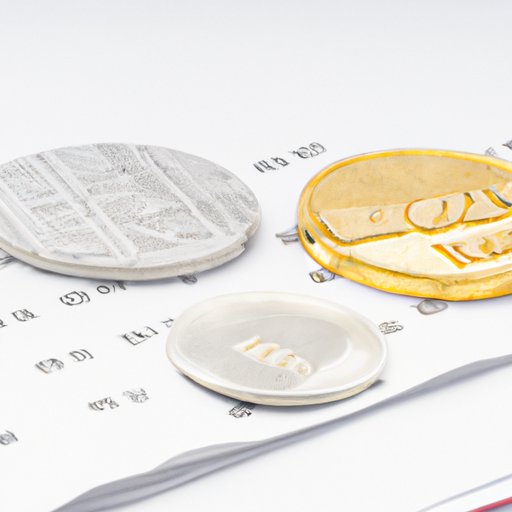
When evaluating gold and silver investments, it is important to compare them to other investment options. In general, gold and silver offer many advantages over other investments, such as real estate or stocks. For example, gold and silver investments tend to be less risky than other investments, since their prices are relatively stable and are not affected by economic cycles or political events.
However, gold and silver investments also come with some drawbacks. For instance, gold and silver investments typically do not generate income, unlike stocks and bonds. Additionally, gold and silver investments can be expensive to buy and store, as they must be physically purchased and stored in a secure location.
Exploring the Different Types of Gold and Silver Investments
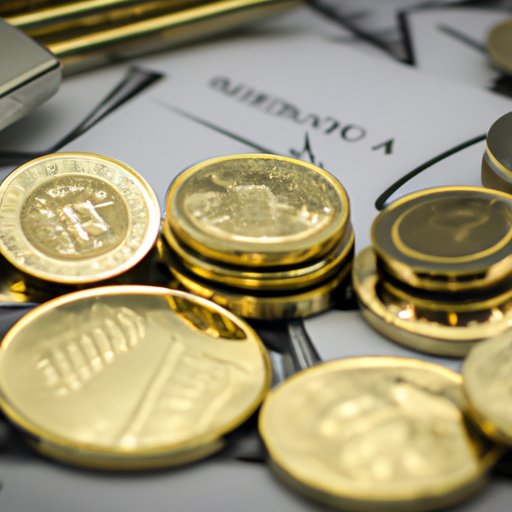
When investing in gold and silver, there are several different options available, each with its own set of advantages and disadvantages. The most common type of gold and silver investment is physical gold and silver, which involves buying and storing physical bars or coins. These investments can be readily converted into cash, but they require secure storage and may be subject to theft or damage.
Another type of gold and silver investment is exchange-traded funds (ETFs). These funds track the price of gold and silver and allow investors to buy and sell shares without having to purchase physical bars or coins. ETFs can be traded on stock exchanges, making them a convenient and liquid investment option.
Futures contracts are another type of gold and silver investment. These contracts involve buying and selling gold and silver at predetermined future dates and prices. Futures contracts can be complex and are best suited for experienced investors.
Finally, some investors may choose to invest in mining stocks. These stocks represent ownership in gold and silver mining companies, and their values are dependent on the underlying performance of the company and the price of gold and silver. Mining stocks can be a more speculative investment, as they are subject to fluctuations in the stock market.
Investigating the Tax Implications of Investing in Gold and Silver
Taxes can have a significant impact on the profitability of gold and silver investments. Generally speaking, physical gold and silver investments are subject to capital gains taxes, while ETFs, futures contracts, and mining stocks are subject to income taxes. It is important to understand the tax implications of each type of investment before making any decisions.
Evaluating the Risks and Benefits of Investing in Gold and Silver
Ultimately, the decision to invest in gold and silver should be based on an individual’s risk tolerance and investment goals. Gold and silver investments can be a great way to diversify a portfolio and protect against economic turmoil, but they are not without risk. It is important to assess the risk/reward ratio of gold and silver investments before making any decisions.
Conclusion
Investing in gold and silver can be a lucrative option for those looking to diversify their portfolios and protect their assets. It is important to understand both the risks and potential rewards associated with these investments, as well as the different types of investments available. Additionally, it is important to consider the tax implications of investing in gold and silver before making any decisions.
(Note: Is this article not meeting your expectations? Do you have knowledge or insights to share? Unlock new opportunities and expand your reach by joining our authors team. Click Registration to join us and share your expertise with our readers.)