
Introduction
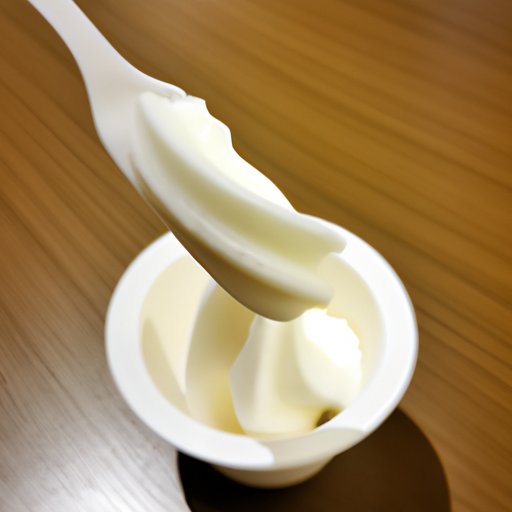
Frozen yogurt, often referred to as ‘froyo’, is a popular dessert item that has been gaining popularity in recent years. It is made from a combination of yogurt, milk, and other ingredients such as fruit and honey. While it is often thought of as a healthy alternative to ice cream, there are some potential drawbacks to eating too much froyo. In this article, we will explore the health benefits and risks associated with consuming frozen yogurt and whether or not it is a healthier option when compared to traditional ice cream.
Comparison of Health Benefits & Risks
When comparing frozen yogurt to traditional yogurt, there are several key differences. Traditional yogurt is made from cow’s milk, while frozen yogurt is made from a mixture of cow’s milk and other dairy products, such as cream and/or non-dairy milks. Frozen yogurt also typically contains added sugar, which can contribute to an increase in calories. Additionally, frozen yogurt may contain stabilizers, emulsifiers, and preservatives, which can add to the calorie count and potentially alter the nutritional content of the product.
In terms of their nutritional content, traditional yogurt and frozen yogurt share many of the same vitamins and minerals. Both are good sources of calcium and protein, and both provide a range of essential vitamins and minerals. However, frozen yogurt tends to be higher in sugar and calories than traditional yogurt. A half cup of traditional yogurt contains about 80 calories and 5 grams of sugar, whereas a half cup of frozen yogurt can contain up to 140 calories and 12 grams of sugar.
In terms of their health benefits, both traditional yogurt and frozen yogurt can be beneficial for those looking to maintain a healthy diet. Traditional yogurt contains live bacteria cultures, which can help promote digestive health and boost the immune system. Additionally, yogurt is a great source of calcium, which helps to build strong bones and teeth. Frozen yogurt can also provide these same benefits, but due to its higher sugar content, it should be consumed in moderation.
The main risk associated with consuming too much frozen yogurt is its high sugar content. Eating foods with high amounts of added sugar can lead to weight gain, increased risk of diabetes and heart disease, and cavities. Additionally, frozen yogurt may contain artificial sweeteners, which have been linked to an increased risk of cancer and other health problems. Therefore, it is important to read labels carefully and limit your consumption of frozen yogurt if you are concerned about your health.
Is Froyo a Healthy Alternative to Ice Cream?
When comparing frozen yogurt to ice cream, there are some key differences in their nutritional content. Ice cream typically contains higher amounts of fat, calories, and sugar than frozen yogurt. For example, a half cup of vanilla ice cream contains approximately 150 calories, 8 grams of fat, and 12 grams of sugar, while a half cup of vanilla frozen yogurt contains only 110 calories, 2.5 grams of fat, and 9 grams of sugar.
In terms of their health benefits, both ice cream and frozen yogurt can be enjoyable treats, but ice cream should be eaten sparingly. Ice cream is a good source of calcium, but it is also high in fat and calories, making it an unhealthy choice for those watching their weight. Additionally, ice cream is typically loaded with added sugars, which can lead to weight gain and other health problems. On the other hand, frozen yogurt is generally a healthier alternative to ice cream, as it is lower in fat, calories, and sugar.
The Nutritional Content of Frozen Yogurt: What You Need to Know
When choosing a frozen yogurt, it is important to consider the nutritional content of the product. Generally speaking, frozen yogurt is lower in fat and calories than ice cream, but it still contains some sugar and fat. The following are some of the key nutrients found in frozen yogurt that you should be aware of:
Calories
A half cup of frozen yogurt typically contains between 90 and 130 calories. This varies depending on the type of yogurt and any additional ingredients that have been added. Low-fat varieties tend to have fewer calories than full-fat varieties.
Sugar Content
Frozen yogurt usually contains between 8 and 12 grams of sugar per half cup serving. Again, this varies depending on the type of yogurt and any additional ingredients. Adding toppings such as chocolate chips or sprinkles can significantly increase the sugar content of the product.
Fat Content
Most frozen yogurts contain between 2 and 4 grams of fat per half cup serving. Low-fat varieties tend to have less fat than full-fat varieties. Additionally, some frozen yogurts contain trans fats, which have been linked to an increased risk of heart disease.
Protein Content
Frozen yogurt typically contains between 3 and 4 grams of protein per half cup serving. This varies depending on the type of yogurt and any additional ingredients. Greek yogurt tends to have more protein than regular yogurt.
Is Frozen Yogurt a Healthy Option for Those Watching Their Weight?
For those watching their weight, frozen yogurt can be a healthier alternative to ice cream. Low-fat varieties are typically lower in calories and fat than full-fat varieties. Additionally, opting for plain frozen yogurt instead of one with added toppings or flavors can help reduce your calorie and sugar intake. When it comes to portion size, it is important to remember that a half cup serving of frozen yogurt is usually enough to satisfy your sweet tooth.
It is also important to keep in mind that frozen yogurt is still a treat that should be consumed in moderation. Eating too much can lead to weight gain and other health issues. Therefore, it is important to practice mindful eating and be aware of how much frozen yogurt you consume.
Conclusion
In conclusion, frozen yogurt can be a healthier alternative to ice cream for those looking to maintain a healthy diet. It is lower in calories and fat than traditional ice cream, and it contains beneficial vitamins and minerals such as calcium and protein. However, it is important to remember that frozen yogurt still contains added sugars and should be consumed in moderation. By reading labels carefully and being mindful of portion sizes, you can enjoy frozen yogurt without compromising your health.
(Note: Is this article not meeting your expectations? Do you have knowledge or insights to share? Unlock new opportunities and expand your reach by joining our authors team. Click Registration to join us and share your expertise with our readers.)