
Introduction
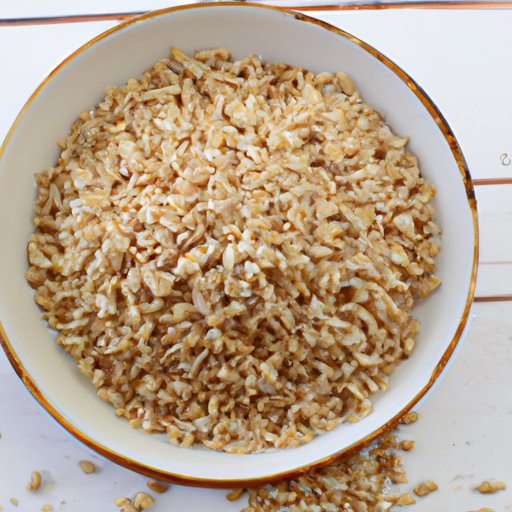
Farro (Triticum dicoccum) is an ancient grain that originated in the Middle East and is currently gaining popularity as a health food. It has a chewy texture and nutty flavor that makes it a great addition to salads, soups, and other dishes. But is farro truly a healthy food? In this article, we’ll take an in-depth look at the nutritional benefits of farro and explore the evidence behind its potential health benefits.
Comparing Farro to Other Grains
Farro is high in fiber, protein, and essential vitamins and minerals. A 1/4 cup (40 grams) serving contains about 110 calories, 4 grams of protein, 2 grams of fat, 21 grams of carbohydrates, and 3 grams of fiber. It is also a good source of iron, zinc, magnesium, and B vitamins such as thiamin, riboflavin, niacin, and folate.
Compared to other grains, farro is relatively high in protein and fiber. For example, quinoa contains 8 grams of protein and 5 grams of fiber per 1/4 cup (45 grams), while oats contain 4 grams of protein and 4 grams of fiber per 1/4 cup (30 grams). However, farro is lower in fat than both quinoa and oats.
Exploring the Health Benefits of Farro
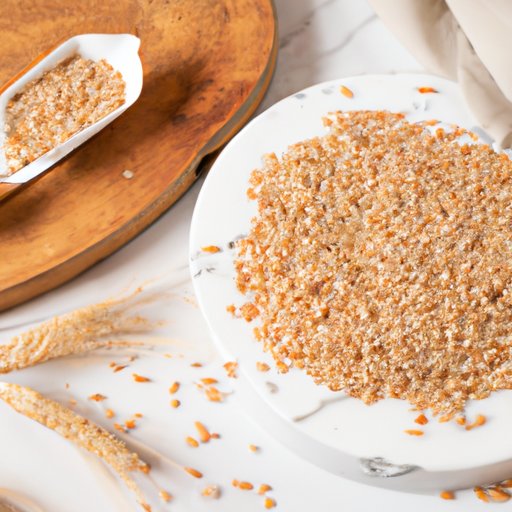
In addition to providing essential vitamins and minerals, farro may offer several health benefits. Here’s a closer look at how farro can improve your diet.
Metabolic Improvements
Several studies have found that consuming whole grains like farro can help reduce the risk of type 2 diabetes. One study in particular, published in the American Journal of Clinical Nutrition, found that people who ate three servings of whole grains per day had a 21% lower risk of developing type 2 diabetes compared to those who ate less than one serving per day.
Another study published in the European Journal of Clinical Nutrition found that consuming whole grains like farro can help reduce cholesterol levels. The study found that participants who consumed at least three servings of whole grains per day had significantly lower levels of LDL (“bad”) cholesterol than those who consumed fewer servings.
Improved Digestion
Farro is a good source of dietary fiber, which is important for digestive health. Fiber helps keep things moving through your digestive system and can help prevent constipation and other digestive issues. Additionally, farro contains resistant starch, which is a type of carbohydrate that is not easily broken down in the body but can still be used for energy.
Anti-Inflammatory Effects
Farro is high in antioxidants, which are compounds that help protect the body from damage caused by free radicals. Studies have found that consuming antioxidant-rich foods can help reduce inflammation, which is linked to various chronic diseases such as heart disease and cancer.
Farro: A Superfood or Just Another Grain?
Many people consider farro to be a “superfood” due to its high nutrient content and potential health benefits. However, there is no scientific definition of a superfood, so it’s difficult to say whether farro truly meets the criteria. Additionally, some experts argue that the term “superfood” is misleading and doesn’t necessarily mean that the food is healthier than other options.
That being said, there is plenty of evidence to support the idea that farro is a nutritious and healthful food. It is a good source of essential vitamins and minerals, and studies have found that it can help reduce the risk of certain chronic diseases.
How to Incorporate Farro into Your Diet for Maximum Health Benefits
Once you’ve decided to add farro to your diet, the next step is to figure out how to incorporate it into your meals. Here are some tips to get you started:
- Substitute farro for rice or other grains in your favorite dishes.
- Add it to soups or stews for extra texture and flavor.
- Make a cold grain salad with farro, vegetables, and a light vinaigrette.
- Use it as a stuffing for vegetables or baked dishes.
- Mix it with cooked vegetables and top with a poached egg.
There are many delicious ways to incorporate farro into your diet. For more ideas, check out these healthy farro recipes.
Farro: Is This Ancient Grain Really as Healthy as Everyone Says It Is?
So, is farro really as healthy as everyone says it is? The short answer is yes. Farro is a nutritious and healthful food that can provide various health benefits, including improved digestion, reduced risk of diabetes and heart disease, and anti-inflammatory effects. Additionally, it is a good source of essential vitamins and minerals and can be easily incorporated into your diet for maximum health benefits.
Conclusion
In conclusion, farro is a nutritious and healthful ancient grain that can provide numerous health benefits. From improved digestion and reduced risk of chronic diseases to essential vitamins and minerals, farro is an excellent addition to any diet. So if you’re looking to add some variety to your meals or just want to get more nutrients in your diet, give farro a try!
(Note: Is this article not meeting your expectations? Do you have knowledge or insights to share? Unlock new opportunities and expand your reach by joining our authors team. Click Registration to join us and share your expertise with our readers.)