

Introduction
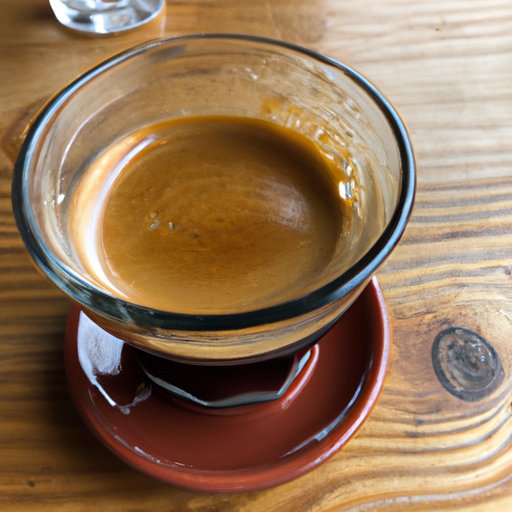
Espresso is a type of coffee that is brewed by forcing pressurized hot water through finely ground coffee beans. It has a strong, bold flavor and is often used as a base for other coffee drinks such as lattes, cappuccinos, and macchiatos. Many people enjoy espresso for its intense flavor, but is it healthy? In this article, we will explore the potential health benefits and risks associated with drinking espresso, as well as tips for enjoying it responsibly.
Exploring the Benefits of Drinking Espresso
Espresso has several potential health benefits, including increased energy and mental alertness, weight loss potential, and improved focus and concentration.
Increased Energy and Mental Alertness
Espresso contains a significant amount of caffeine, which is a stimulant that can increase energy levels and mental alertness. Caffeine works by blocking adenosine receptors in the brain, which results in increased production of dopamine and norepinephrine, two hormones that are linked to increased alertness and energy.
Weight Loss Potential
Studies have shown that consuming caffeine can increase metabolism and fat burning, which may aid in weight loss. However, it is important to note that these effects are typically short-term and will not result in long-term weight loss unless combined with proper nutrition and exercise.
Improved Focus and Concentration
Caffeine can also improve focus and concentration. Studies have found that consuming caffeine can help reduce fatigue and increase alertness, allowing people to stay focused on tasks for longer periods of time.
Examining the Health Risks Associated with Espresso Consumption
While there are some potential benefits to drinking espresso, it is important to be aware of the potential health risks associated with it as well.
Caffeine Overdose
Consuming too much caffeine can lead to a number of unpleasant side effects, including headaches, jitteriness, difficulty sleeping, and irritability. It is important to be aware of your body’s response to caffeine and to avoid consuming more than the recommended amount.
Irregular Heartbeat
Some people are sensitive to the effects of caffeine and may experience an irregular heartbeat after consuming it. If you experience any heart palpitations or other cardiac symptoms after drinking espresso, it is best to consult a doctor.
Interference with Sleep
Caffeine can interfere with sleep, so it is best to avoid drinking espresso within six hours of bedtime. Consuming caffeine late in the day can lead to difficulty falling asleep and poor quality of sleep.
Is Espresso More Nutritious Than Other Types of Coffee?
Espresso does contain some beneficial nutrients, but it is important to remember that most of the nutritional benefits come from the coffee beans themselves, not the brewing process. Therefore, different types of coffee will have similar nutrient profiles.
Antioxidants in Espresso
Espresso contains antioxidants, which can help protect cells from damage caused by free radicals. Antioxidants can also help reduce inflammation, which may lower the risk of certain chronic diseases.
Comparison to Other Coffee Drinks
The nutrient content of espresso is similar to other types of coffee, such as drip coffee and cold brew. However, espresso tends to have a higher concentration of caffeine than other coffee drinks, which can lead to potential health risks if consumed in excess.
How Much Caffeine is in an Espresso Shot?
The amount of caffeine in an espresso shot varies depending on the roast and grind of the coffee beans used. Generally speaking, a single shot of espresso contains approximately 75-100mg of caffeine.
Amounts Vary by Roast and Grind
Darker roasts tend to have less caffeine than lighter roasts, while finer grinds tend to have more caffeine than coarser grinds. It is important to keep this in mind when ordering espresso drinks, as the amount of caffeine can vary significantly.
Decaffeinated Varieties
Many coffee shops offer decaffeinated espresso, which contains significantly less caffeine than regular espresso. Decaffeinated espresso can be a good option for those who want to enjoy the flavor of espresso without the potential health risks associated with caffeine.
Does Espresso Contain Any Vitamins or Minerals?
Espresso does contain small amounts of certain vitamins and minerals, although the amount varies depending on the type of beans used.
Vitamin Content
Espresso contains trace amounts of B vitamins, including thiamin, riboflavin, and niacin. These vitamins are essential for energy production and metabolism.
Mineral Content
Espresso also contains small amounts of magnesium and potassium, which are important for muscle and nerve function. It also contains trace amounts of calcium, iron, and zinc.
Comparing the Calorie Content of Different Types of Espresso Drinks
The calorie content of espresso drinks varies depending on the type of drink and the ingredients added. Here is a quick comparison of the calorie content of three popular espresso drinks:
Espresso vs. Latte
A plain espresso shot contains approximately 5 calories, while a latte made with whole milk contains approximately 130 calories. The addition of milk and sugar increases the calorie and carbohydrate content of the drink.
Espresso vs. Cappuccino
A plain espresso shot contains approximately 5 calories, while a cappuccino made with whole milk contains approximately 110 calories. Again, the addition of milk and sugar increases the calorie and carbohydrate content of the drink.
Tips for Enjoying Espresso in a Healthy Way
To ensure that you are getting the most out of your espresso without compromising your health, here are a few tips to keep in mind:
Limit Intake to Reasonable Amounts
It is best to limit your intake of espresso to no more than one or two shots per day. Consuming more than this could lead to potential health risks due to the high caffeine content.
Choose Low-Calorie Add-Ins
If you are adding milk or sugar to your espresso drink, try to choose low-calorie options such as skim milk or natural sweeteners. This will help keep the calorie content of your drink to a minimum.
Avoid Sugary Syrups
Many coffee shops offer flavored syrups that can be added to espresso drinks. These syrups tend to be very high in sugar and should be avoided if possible.
Conclusion
Espresso can be a delicious and energizing beverage, but it is important to be aware of the potential health risks associated with it. By following the tips outlined above, you can enjoy espresso responsibly and reap the potential health benefits.
(Note: Is this article not meeting your expectations? Do you have knowledge or insights to share? Unlock new opportunities and expand your reach by joining our authors team. Click Registration to join us and share your expertise with our readers.)