
Introduction
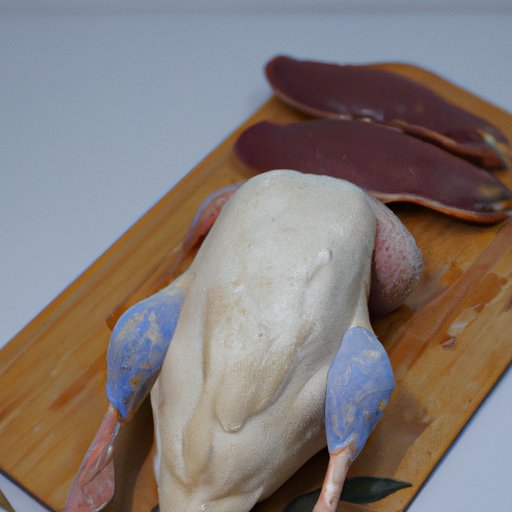
Duck meat is a popular delicacy around the world. It has a rich flavor and can be cooked in a variety of ways, from roasting to braising to grilling. But is duck meat healthy? To answer this question, it’s important to understand the nutritional value of duck and the potential health benefits and risks associated with its consumption.
Exploring the Nutritional Benefits of Duck Meat
Duck meat is a good source of several essential nutrients. According to the United States Department of Agriculture (USDA), one 3-ounce serving of roasted duck contains approximately 150 calories, 11 grams of fat, 17 grams of protein, and 0 grams of carbohydrates. It also provides significant amounts of iron, zinc, and selenium, as well as B vitamins like niacin, thiamin, riboflavin, and B6. Additionally, duck is a good source of omega-3 fatty acids, which are important for heart health.
Eating duck may offer a number of health benefits. Studies have shown that consuming poultry, such as duck, may reduce the risk of certain diseases, including heart disease and diabetes. Additionally, duck meat is high in iron, which is essential for transporting oxygen throughout the body, and zinc, which helps maintain a healthy immune system. Duck meat is also a good source of selenium, an antioxidant that helps protect cells from damage caused by free radicals.

Examining the Health Risks of Eating Duck
Although there are many potential health benefits associated with eating duck, it is important to note that there are also some potential risks. For example, duck meat is high in fat and cholesterol, which can increase the risk of developing heart disease. Additionally, duck may contain harmful bacteria like E. coli and Salmonella, which can cause food poisoning if not properly cooked.
The best way to minimize the potential risks associated with eating duck is to make sure it is cooked thoroughly. The USDA recommends cooking duck to an internal temperature of 165°F to ensure that any harmful bacteria are killed. Additionally, it is important to practice safe food handling techniques when preparing duck, such as washing hands and surfaces after touching raw duck.
Comparing Duck Meat to Other Meats
It is also helpful to compare duck to other types of meat to get a better understanding of its nutritional value. In terms of calories and fat, duck falls somewhere between chicken and beef. On average, a 3-ounce serving of duck contains slightly more calories and fat than the same portion of chicken but fewer calories and fat than beef. Duck is also higher in protein and iron than either chicken or beef.
In terms of health benefits and risks, duck is similar to other types of poultry, such as chicken and turkey. All three provide a good source of protein and essential nutrients, while also containing some saturated fat and cholesterol. As with duck, the best way to minimize potential health risks associated with eating poultry is to make sure it is cooked thoroughly.
Analyzing Duck Meat’s Macronutrient Profile
When considering whether duck is healthy, it is important to look at its macronutrient profile. As mentioned earlier, a 3-ounce serving of duck contains approximately 150 calories, 11 grams of fat, 17 grams of protein, and 0 grams of carbohydrates. This makes duck a relatively low-calorie and low-carbohydrate option, while still providing a good amount of protein and healthy fats.
In terms of dietary recommendations, the American Heart Association recommends limiting intake of saturated fat and cholesterol. As such, they suggest limiting consumption of duck and other poultry to two or three servings per week. Additionally, they recommend choosing lean cuts of duck and avoiding fried or processed duck products.
Investigating the Use of Duck in Traditional Cuisines
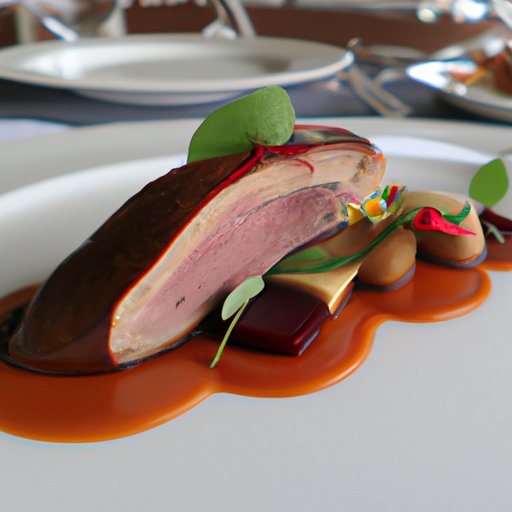
Duck has been used in traditional cuisines around the world for centuries. In Chinese cuisine, for example, duck is often served as a whole roasted bird or in dishes like Peking duck. In France, duck is commonly used in dishes like confit de canard and magret de canard. And in Thailand, duck is often used in curries and stir-fries. No matter the region, duck is a versatile ingredient that can be prepared and cooked in many different ways.
Investigating Free-Range Duck Farming Practices
When buying duck, it is important to consider where it comes from. Many ducks are raised on factory farms, where they are given antibiotics and fed diets that are high in corn and soy. These practices can lead to the development of antibiotic-resistant bacteria and can negatively impact the environment. For these reasons, it is recommended to buy free-range duck whenever possible. Free-range ducks are raised in open pastures with access to natural food sources, and they do not receive antibiotics or hormones.
Exploring the Impact of Duck Consumption on the Environment
Finally, it is important to consider the environmental impact of duck production. Factory farming of ducks can lead to water and air pollution, as well as deforestation due to the clearing of land for farming operations. Additionally, factory farms produce large amounts of animal waste, which can contaminate local water sources. To reduce the environmental impact of duck production, it is important to support farmers who use sustainable practices and to buy free-range duck whenever possible.
Conclusion
In conclusion, duck meat can be a healthy addition to your diet if consumed in moderation and prepared safely. Duck is a good source of essential vitamins, minerals, and other nutrients, and it may offer a number of health benefits, including a reduced risk of certain diseases. However, it is important to remember that duck is high in fat and cholesterol, so it should be eaten in moderation. Additionally, it is important to buy free-range duck whenever possible to minimize the environmental impact of duck production.
(Note: Is this article not meeting your expectations? Do you have knowledge or insights to share? Unlock new opportunities and expand your reach by joining our authors team. Click Registration to join us and share your expertise with our readers.)