
Introduction
A deadlift is a compound strength training exercise that involves lifting a weight from the ground up to your hips. It’s one of the most popular exercises used to build muscle and strength in the lower body, as well as the upper back and core. While deadlifts are often associated with the back, they actually target several different muscle groups, including the glutes, hamstrings, quadriceps, and core muscles.
A Comprehensive Guide to Deadlifting: Benefits, Form, and More
Deadlifting is an excellent way to improve overall strength and muscular development, but it’s important to understand the correct form and technique before attempting this exercise. In this section, we’ll discuss the benefits of deadlifting, tips on how to master the form, and the various types of deadlifts.
Benefits of Deadlifting
Deadlifting can be an incredibly beneficial exercise, both physically and mentally. Here are some of the key benefits of deadlifting:
- Improved Core Strength: Deadlifting works the entire core, including the abdominals, obliques, and the lower back. This helps to improve posture, reduce the risk of injury, and increase overall strength and stability.
- Increased Back Strength: Deadlifting targets the muscles in the upper and lower back, helping to improve posture and reduce the risk of back pain.
- Enhanced Glute Function: The glutes are the primary muscles used during a deadlift. Strengthening these muscles can help to improve hip mobility and reduce the risk of lower-back pain.
- Improved Posture: Proper form and technique when deadlifting will help to improve posture and reduce the risk of musculoskeletal injuries.
Form for Deadlifting
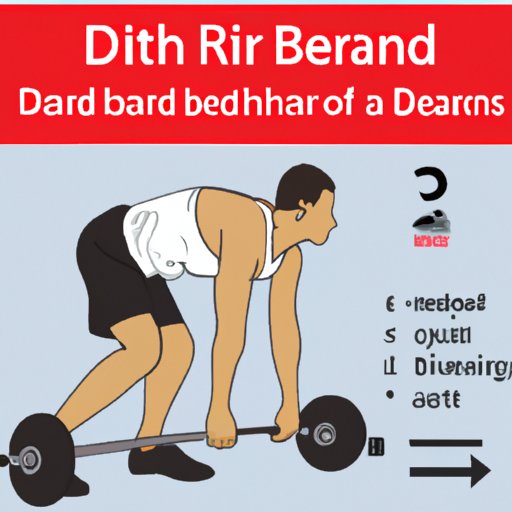
Mastering the proper form for deadlifting is essential for getting the most out of this exercise. Here are some tips on how to properly perform a deadlift:
- Stance: Stand with your feet hip-width apart, toes pointing slightly outward. Keep your chest up and shoulders back throughout the lift.
- Grip: Grip the barbell with your hands shoulder-width apart. Make sure to keep your wrists straight and your arms tight against your body.
- Movement: Drive through your heels and engage your core as you lift the barbell off the floor. Keep your back neutral and your elbows close to your sides. At the top of the lift, squeeze your glutes and pause for a moment before slowly lowering the barbell back down to the floor.
Types of Deadlifts
There are several different variations of the classic deadlift exercise. These include:
- Sumo Deadlift: This variation of the deadlift uses a wider stance and a grip inside the legs. This places more emphasis on the glutes and quads.
- Trap Bar Deadlift: This variation of the deadlift uses a hexagonal-shaped bar which allows you to use a neutral grip. This variation places less strain on the lower back.
- Rack Pulls: Rack pulls are performed using a power rack or squat rack. The bar is set at a height that allows you to lift heavier weights than a standard deadlift, making them great for building strength and power.
- Single-Leg Deadlift: This variation of the deadlift uses only one leg at a time. This helps to improve balance and single-leg strength.
Is Deadlifting Right for You? Pros and Cons of This Popular Exercise
Deadlifting is a great exercise for building strength and muscle, but it’s not without its risks. Here are some pros and cons of deadlifting to consider before beginning this exercise:
Pros of Deadlifting
- Improved Muscle Mass: Deadlifting can help to increase muscle mass in the lower body, upper back, and core.
- Improved Strength: Deadlifting is an effective way to build strength in the lower body, upper back, and core.
- Increased Flexibility: Deadlifting can help to improve flexibility in the hips and hamstrings, as well as the upper back and core.
Cons of Deadlifting
- Injury Risk: Deadlifting can be hard on the joints, especially if proper form and technique are not used. It’s important to warm up and mobilize before each lift to reduce the risk of injury.
- Time Commitment: Deadlifting requires a significant amount of time and energy. It’s important to be consistent with your workouts to get the maximum benefit from this exercise.
- Intensity: Deadlifting can be an intense exercise, and it’s important to start light and progress gradually to avoid injury and burnout.

Understanding the Muscles Involved in Deadlifting and Their Functionality
Deadlifting works several different muscle groups, including the primary muscles and supporting muscles. Here is a breakdown of the muscles used in deadlifting and their functionality:
Primary Muscles Used
- Glutes: The glutes are responsible for extending the hips and providing stability to the lower body. They are the primary muscles used during a deadlift.
- Hamstrings: The hamstrings are responsible for knee flexion and hip extension. They are heavily involved in the deadlift and help to stabilize the lower body.
- Lower Back: The lower back muscles are responsible for providing stability and support to the spine. They are heavily involved in the deadlift and should be kept in a neutral position throughout the lift.
- Trapezius: The trapezius is responsible for stabilizing the shoulder blades and keeping the spine in a neutral position. This muscle is heavily involved in the deadlift and should be kept engaged throughout the lift.
Supporting Muscles Used
- Quadriceps: The quadriceps are the primary muscles used to extend the knees. They are involved in the deadlift and help to stabilize the lower body.
- Core: The core muscles are responsible for providing stability and support to the spine. They are heavily involved in the deadlift and should be kept engaged throughout the lift.
- Shoulders: The shoulders are responsible for stabilizing the shoulder blades and keeping the spine in a neutral position. This muscle group is heavily involved in the deadlift and should be kept engaged throughout the lift.
Mastering the Proper Form for Deadlifting: Tips from Experts
Mastering the proper form for deadlifting is essential for getting the most out of this exercise. Here are some tips from experts on how to properly perform a deadlift:
Pre-Lift Preparation
- Warm Up: It’s important to warm up before performing any type of resistance training exercise. Dynamic stretches, foam rolling, and light cardio are all great ways to prepare the body for deadlifting.
- Mobility Exercises: Mobility exercises such as hip circles and banded lateral walks can help to loosen up the hips and improve range of motion in the lower body.
- Visualization: Visualizing the movement before performing a deadlift can help to ensure proper form and technique.
Lift Technique
- Engage Core: Before initiating the lift, make sure to engage your core muscles and keep your back in a neutral position.
- Push Through Heels: As you lift the barbell off the floor, make sure to push through your heels and keep your chest up.
- Maintain Neutral Spine: Throughout the lift, it’s important to keep your back in a neutral position and not allow it to round forward or arch excessively.
Post-Lift Stretching
It’s important to stretch after each deadlift session. Stretching the muscles used during the lift can help to reduce soreness, improve range of motion, and reduce the risk of injury.
Conclusion
Deadlifting is an effective exercise for building strength and muscle mass, but it’s important to understand the proper form and technique before attempting this exercise. With the right preparation, deadlifting can be a safe and effective way to improve overall strength and muscular development.
(Note: Is this article not meeting your expectations? Do you have knowledge or insights to share? Unlock new opportunities and expand your reach by joining our authors team. Click Registration to join us and share your expertise with our readers.)