

Introduction
Cardio exercise is any physical activity that increases your heart rate and breathing for an extended period of time. It’s an important part of maintaining a healthy lifestyle and has numerous benefits for your overall health. One popular form of cardio exercise is dancing. But how does dancing compare to other forms of cardio exercise in terms of calorie burning and cardiovascular health? In this article, we’ll take a closer look at the impact of dancing on your cardiovascular health and explore some of the different types of dance you can use for a cardio workout.
Analyzing the Benefits of Dancing as Cardio Exercise
Dancing is a great way to get in an effective cardio workout while having fun. It’s an excellent form of low-impact exercise that can provide a variety of benefits, including:
Improved Endurance and Stamina
One of the main benefits of dancing is that it can help improve your endurance and stamina. By engaging in regular dance workouts, you can gradually increase your aerobic capacity, allowing you to do more activities for longer periods of time. This can be especially beneficial for those who want to improve their performance in sports or other physical activities.
Increased Strength and Flexibility
Another benefit of dancing is that it can help increase your strength and flexibility. Many dance moves require you to use your core muscles, which can help strengthen them over time. Additionally, various dance moves require you to stretch and move your body in ways that can help improve your flexibility.
Improved Balance and Coordination
Dancing also offers the benefit of improved balance and coordination. Many dance moves require you to keep your balance while performing complex movements. As you practice these moves, you’ll become better at controlling your body and coordinating your movements.
Improved Aerobic Capacity
Finally, dancing can help improve your aerobic capacity. By engaging in regular dance workouts, you can gradually increase your body’s ability to process oxygen. This can help you perform physical activities for longer periods of time without getting tired as quickly.
Exploring Different Types of Dance for Cardio Workouts
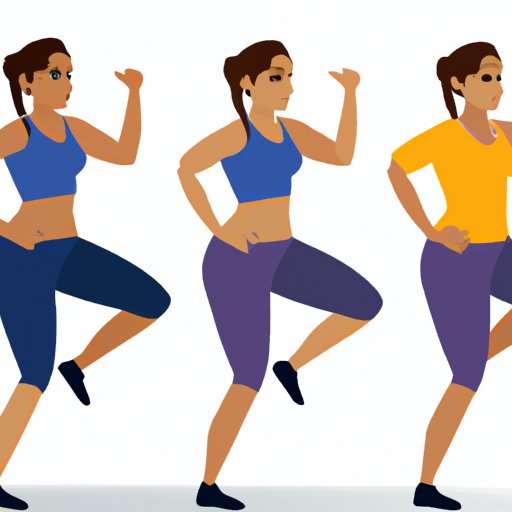
There are many different types of dance you can use for a cardio workout. Some of the most popular options include:
Latin Dance
Latin dance is an umbrella term used to describe a variety of dances from Latin America, such as salsa, merengue, bachata, and cha-cha. These dances are often fast-paced and energetic, making them great for a cardio workout.
Ballroom Dance
Ballroom dance is a type of dance typically performed with a partner. Popular styles of ballroom dance include waltz, tango, foxtrot, and quickstep. Ballroom dance is a great way to get in a full-body workout and have fun at the same time.
Hip-Hop Dance
Hip-hop dance is a style of dance that emerged from hip-hop culture. It often involves fast-paced, athletic movements and can be a great way to get in an intense cardio workout.
Jazz Dance
Jazz dance is a popular style of dance characterized by rhythmic movements and upbeat music. Jazz dance can involve a variety of steps and movements and can be a great way to get in an enjoyable cardio workout.
Tap Dance
Tap dance is a style of dance that involves tapping your feet on the floor in time with the music. Tap dance is a great way to get in a cardio workout while developing your coordination and rhythm.
Country/Western Dance
Country/western dance is a style of dance popularized in country music. It often involves two partners performing intricate steps in time with the music. Country/western dance can be a great way to get in a fun cardio workout.
Examining How Dancing Improves Cardiovascular Health
In addition to providing a great cardio workout, dancing can also have a positive impact on your cardiovascular health. Here are some of the ways that dancing can improve your heart health:
Lower Blood Pressure
Regularly engaging in physical activity, such as dancing, can help lower your blood pressure. This is because exercise helps your heart become more efficient at pumping blood, which reduces the amount of pressure on your arteries.
Reduced Risk of Heart Disease
Regular exercise, such as dancing, can also help reduce your risk of heart disease. This is because exercise helps improve your cholesterol levels and lowers your risk of developing other conditions, such as diabetes, that can increase your risk of heart disease.
Improved Blood Circulation
Dancing can also help improve your blood circulation. This is because dancing gets your heart rate up, which helps your body deliver oxygen and nutrients to your muscles more efficiently. Improved blood circulation can also help lower your risk of developing certain medical conditions, such as stroke.
Understanding the Calorie-Burning Effect of Dancing
When it comes to burning calories, dancing can be just as effective as other forms of cardio exercise. The number of calories you burn will depend on the intensity of your workout, as well as your weight and age. Here’s what you need to know about calculating the number of calories burned through dancing:
Calculating Calories Burned through Dancing
To calculate the number of calories burned through dancing, you’ll need to multiply your weight in kilograms by the duration of your workout (in minutes) and the intensity of your movements. For example, if you weigh 70 kilograms and danced for 30 minutes at a moderate intensity, you would burn approximately 210 calories.
Combining Diet and Exercise for Weight Loss
It’s important to remember that diet and exercise both play a role in weight loss. While dancing can help you burn calories, it’s important to combine it with a healthy diet in order to achieve your desired results.
Comparing Dance to Other Cardio Exercise Options
When it comes to cardio exercise, there are many different options available. Here’s how dancing compares to some of the other popular choices:
Running
Running is a great way to get in a vigorous cardio workout. However, running can be hard on your joints and may not be suitable for everyone. On the other hand, dancing is a low-impact exercise that can be easier on your joints.
Cycling
Cycling is another popular form of cardio exercise. However, cycling can be difficult for those who don’t have access to a bike or a safe place to ride. Dancing, on the other hand, can be done anywhere and doesn’t require any special equipment.
Swimming
Swimming is a great way to get in a full-body workout. However, swimming can be difficult for those who don’t have access to a pool. Dancing, on the other hand, can be done anywhere and is a great way to get in a cardio workout without having to leave your home.
Investigating the Impact of Dancing on Heart Rate
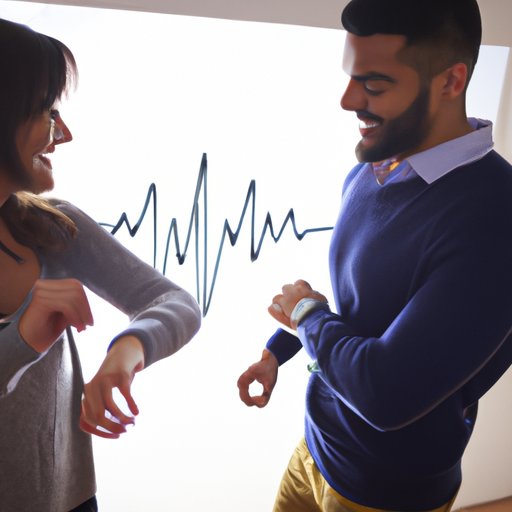
The intensity of your dance workout can have a big impact on your heart rate. Here are some factors to consider when evaluating the impact of dancing on your heart rate:
Intensity of Movement
The intensity of your movements will have a direct impact on your heart rate. The more intense the movements, the higher your heart rate will be. So if you’re looking to get in a vigorous cardio workout, make sure to choose a dance style that involves fast-paced movements.
Frequency of Movement
The frequency of your movements can also have an impact on your heart rate. If you’re doing a dance routine with a lot of stops and starts, your heart rate will fluctuate throughout your workout. To keep your heart rate steady, try to maintain a consistent speed throughout your dance routine.
Duration of Movement
Finally, the duration of your movements can also affect your heart rate. The longer the duration of your movements, the higher your heart rate will be. So if you’re looking to get in an intense cardio workout, try to maintain longer movements for a sustained period of time.
Conclusion
Dancing is an enjoyable and effective form of cardio exercise that can offer a variety of benefits, including improved endurance, increased strength, improved balance and coordination, and improved aerobic capacity. Additionally, dancing can help lower your blood pressure, reduce your risk of heart disease, and improve your blood circulation. And with so many different types of dance to choose from, there’s something for everyone.
(Note: Is this article not meeting your expectations? Do you have knowledge or insights to share? Unlock new opportunities and expand your reach by joining our authors team. Click Registration to join us and share your expertise with our readers.)