
Introduction
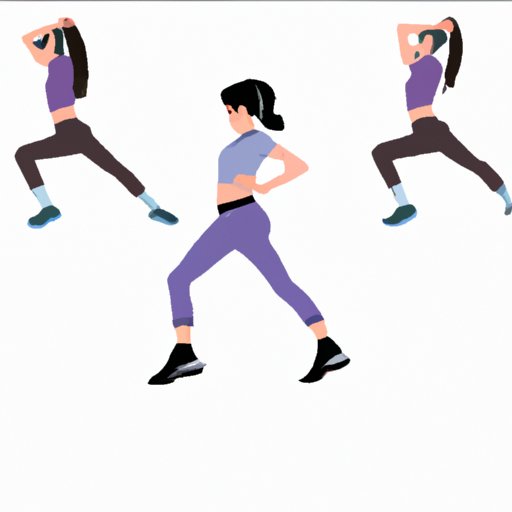
Dancing as a workout is an enjoyable way to stay active and improve physical fitness. It involves a combination of aerobic activity, coordination, balance, and strength training which can provide many physical and mental benefits. In this article, we’ll explore the benefits of dancing as a workout, different dance styles for exercise, calories burned while dancing, muscles used when dancing, and how it compares to other forms of exercise.

Examining the Benefits of Dancing as a Workout
Dancing offers many physical and mental benefits that make it a great form of exercise. Here are some of the key benefits of dancing as a workout:
Increased Cardiovascular Health
Dancing is an aerobic activity, meaning it gets your heart rate up and increases blood circulation throughout your body. This helps to strengthen your heart and lungs, improving overall cardiovascular health. Regular dancing also helps lower your resting heart rate and bad cholesterol levels, reducing your risk of heart disease and stroke.
Improved Coordination and Balance
Dancing requires you to use your entire body to coordinate movements and stay balanced. As you practice, you’ll become more in tune with your body and develop better coordination and balance. This will help you perform everyday tasks with greater ease and efficiency.
Strengthened Muscles
Dancing engages all of your major muscle groups, including your glutes, quads, hamstrings, calves, abdominal muscles, and arms. By regularly performing dance moves, you can tone and strengthen your muscles, improving your posture and helping to reduce the risk of injury.
Stress Relief
Dancing can be a great way to relieve stress and boost your mood. Moving your body to the beat of the music releases endorphins, which are hormones that make you feel good. It can also be a fun social activity that allows you to connect with others and express yourself.
Exploring Different Dance Styles for Exercise
There are many different types of dance styles that you can explore for exercise. Here are some of the most popular:
Latin Dances
Latin dances like salsa, cha-cha, and mambo are energetic and upbeat. They require quick footwork and lots of hip movement, making them great cardio workouts. These dances are great for burning calories and strengthening your lower body muscles.
Ballroom Dances
Ballroom dances like the waltz, tango, and foxtrot involve graceful and precise movements. They require you to hold your partner close, creating a sense of connection and intimacy. Ballroom dances are great for improving balance and coordination, as well as strengthening your core muscles.
Hip-Hop
Hip-hop is a fast-paced style of dance that involves a lot of body isolations and popping movements. It’s great for toning your arms and legs, as well as increasing your agility and coordination. Hip-hop is also a great way to let loose and have fun.
Jazz
Jazz is a high-energy dance style that combines modern and classical techniques. It requires you to use a range of movements, from sharp turns to leaps and jumps. Jazz is great for strengthening your core muscles and improving your coordination and balance.

Analyzing the Calories Burned While Dancing
The number of calories you burn while dancing depends on a few factors, such as your weight, intensity level, and the type of dance you’re doing. Generally speaking, you can expect to burn between 5 and 10 calories per minute when dancing at a moderate intensity. At a higher intensity, you can burn up to 20 calories per minute.

Investigating the Muscles Used When Dancing
Dancing is a full-body workout that engages all of your major muscle groups. Here’s a look at some of the muscles used when dancing:
Lower Body Muscles
When dancing, you’ll use your glutes, quads, hamstrings, and calves to power your movements. These muscles are responsible for providing the strength and stability needed to jump, turn, and spin.
Core Muscles
Your core muscles are essential for maintaining balance and control during dance moves. These muscles include your abdominal muscles, obliques, and back muscles. Strengthening your core will help you move more gracefully and efficiently.
Upper Body Muscles
Your arms and shoulders are used in many dance moves, from arm swings to dips and lifts. Strengthening your upper body muscles will help you lift and support your partner, as well as give your performance more power and fluidity.
Comparing Dancing to Other Forms of Exercise
Dancing has many similarities to other forms of exercise in terms of the health benefits it provides. However, there are some key differences in terms of muscle engagement. Here’s a comparison of dancing to other forms of exercise:
Similarities in Terms of Health Benefits
Like other forms of exercise, dancing can help improve cardiovascular health, coordination and balance, and muscle strength. It can also help to reduce stress and improve your mood.
Differences in Terms of Muscle Engagement
One of the main differences between dancing and other forms of exercise is the amount of muscle engagement. Dancing requires you to use all of your major muscle groups, whereas other forms of exercise tend to focus on one or two specific muscle groups. This makes dancing a more comprehensive and effective workout.
Conclusion
In conclusion, dancing is a great form of exercise that provides many physical and mental benefits. It increases cardiovascular health, improves coordination and balance, strengthens muscles, and relieves stress. There are many different dance styles to explore, ranging from Latin and ballroom to hip-hop and jazz. The number of calories burned while dancing depends on your weight, intensity level, and the type of dance you’re doing. Finally, dancing engages all of your major muscle groups, making it a more comprehensive and effective workout than other forms of exercise.
(Note: Is this article not meeting your expectations? Do you have knowledge or insights to share? Unlock new opportunities and expand your reach by joining our authors team. Click Registration to join us and share your expertise with our readers.)