
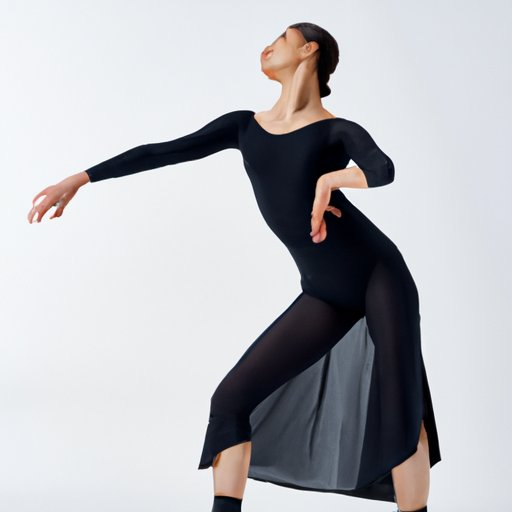
Introduction: Exploring the Debate: Is Dancing a Sport?
Dance has been around since ancient times, with evidence of its existence found in the form of cave paintings dating back 40,000 years. But is it a sport? This question has been debated for centuries, with no clear answer in sight. To some, dance is an art form that expresses emotion and creativity. To others, it’s a physical activity that requires skill, technique, and athleticism. So what is the truth? Is dancing a sport or an art?
In this article, we will explore the debate of whether dancing is a sport. We will look at the benefits of dancing as exercise, an inside look at competitive dance, the science behind why it’s good for you, and the history and evolution of dance as sport. By the end of this article, you should have a better understanding of the pros and cons of both sides of the argument and be able to make an informed decision about where you stand on the issue.

The Benefits of Dancing as Exercise
Dancing can be an excellent form of exercise. It is low-impact, meaning it does not put too much strain on the body, but it still provides all the benefits of a good workout. Here are some of the benefits of dancing as exercise:
Improved coordination and balance
Dancing involves a lot of movement and coordination. As you learn choreography, you are strengthening your ability to move your body in a precise way. This can help improve your balance and coordination, making everyday activities like walking and running easier. According to a study conducted by the University of Hertfordshire, “regular participation in dance activities can improve balance and reduce the risk of falls in older adults.”
Strengthened muscles and bones
Dancing is a great way to strengthen your muscles and bones. The constant movement and use of different muscle groups helps to build strength and endurance. According to a study published in the American Journal of Preventive Medicine, “dancing was associated with lower risk of osteoporosis and greater bone mineral density.”
Improved cardiovascular health
Dancing is also a great way to get your heart rate up and improve your cardiovascular health. According to a study published in the British Journal of Sports Medicine, “dancing can be a valuable form of aerobic exercise for those who cannot or do not wish to participate in higher impact forms of physical activity.”

An Inside Look at Competitive Dance
Competitive dance is an organized event in which dancers compete against each other by performing choreographed routines. Competitions are divided into categories based on age, style, and skill level. There are various types of competitive dance, including ballet, jazz, hip hop, tap, contemporary, and more. Each style of dance has its own unique set of moves and techniques.
Types of competitive dance
Competitive dance can be divided into two main categories: solo and group dances. Solo dances involve one dancer performing alone. Group dances involve multiple dancers performing together as a team. Depending on the competition, dancers may be required to perform a specific style of dance or a combination of styles.
Benefits of competition
Competitive dancing can help improve technique and performance. It also gives dancers an opportunity to showcase their skills and express their creativity. According to a study conducted by the University of Otago, “competitive dance provides a sense of community, belonging, and support for participants.”

The Science Behind Why Dancing is Good for You
When it comes to physical and mental health, dancing has a lot to offer. Studies have shown that dancing can have a positive effect on both physical and mental health. Here are some of the benefits of dancing:
Mental health benefits
Dancing can help reduce stress and anxiety, improve mood, and increase self-confidence. According to a study conducted by the University of Otago, “dancing can provide a sense of joy, fulfillment, and relaxation.”
Physical health benefits
Dancing can help improve coordination, balance, and flexibility. It can also help strengthen muscles and bones, and improve cardiovascular health. According to a study conducted by the American College of Sports Medicine, “regular participation in dance can improve physical health, reduce obesity, and reduce the risk of chronic diseases.”
Is Dancing a Sport or an Art?
The debate of whether dancing is a sport or an art is ongoing. Both sides have valid points, so it can be difficult to decide which side is right. Here is a look at the pros and cons of each:
Differentiating between sport and art
Sports are competitive and involve physical activity, while art is creative and expressive. Dancing combines elements of both, making it difficult to determine whether it should be classified as a sport or an art. According to a study conducted by the National Academy of Sciences, “dancing is a complex physical activity that requires skill, technique, and athleticism.”
Pros and cons of each
The advantages of considering dancing a sport include the fact that it can be used as a form of exercise and can help improve physical health. However, there are also disadvantages, such as the fact that it can be seen as too competitive and that it doesn’t always promote creativity. On the other hand, if dancing is considered an art, it can be seen as more creative and expressive, but it can also be seen as not providing enough physical benefits.
The History and Evolution of Dance as Sport
Dance has been part of the Olympic Games since the first modern Olympics in 1896. Over the years, the popularity of competitive dance has grown, with more and more countries participating in international competitions. Today, competitive dance is a popular form of entertainment and is featured in many television shows and movies.
Historical development of dance in sports
The history of competitive dance dates back to 19th century Europe, when dancers would perform traditional folk dances in competitions. In the 20th century, competitive dance began to take on a more formalized structure, with the introduction of genres such as ballroom and Latin American. Today, competitive dance includes a wide range of styles, from traditional folk dances to modern hip hop.
Impact on today’s society
Competitive dance has had a significant impact on today’s society. It has become a popular form of entertainment, with millions of people tuning in to watch competitions on television. It has also inspired many people to take up dancing as a hobby, with classes and competitions available in most cities. Finally, it has helped to raise awareness of the importance of physical activity and the benefits of regular exercise.
Conclusion: Final Thoughts on Dancing as a Sport
At the end of the day, the debate of whether dancing is a sport or an art is still ongoing. Some argue that it is a sport because it requires skill, technique, and athleticism. Others argue that it is an art because it is creative and expressive. Ultimately, it is up to the individual to decide where they stand on the issue.
No matter which side of the debate you are on, there is no denying that dancing has a lot to offer. It can be a great form of exercise, helping to improve coordination, balance, and cardiovascular health. It can also be a great way to express yourself and let go of stress and anxiety. So whether you consider it a sport or an art, there is no doubt that dancing has a lot to offer.
(Note: Is this article not meeting your expectations? Do you have knowledge or insights to share? Unlock new opportunities and expand your reach by joining our authors team. Click Registration to join us and share your expertise with our readers.)