
Introduction
Dance has been around since ancient times, and it continues to be a popular form of expression and entertainment today. But did you know that dancing can also be a great form of exercise?
Dance is defined as an aerobic activity that combines movement, coordination, rhythm, and grace. It can range from slow and gentle movements to fast and energetic ones. All forms of dance involve deliberate, controlled body movements that require focus and concentration.
The benefits of dance as an exercise are numerous. Not only does it provide physical health benefits, such as strengthening muscles and bones, increasing cardio endurance, improving balance and coordination, and burning calories, but it can also have positive effects on mental health, such as reducing stress, improving memory and cognitive function, increasing concentration and focus, and enhancing creativity and self-expression.
Exploring the Benefits of Dance as an Exercise
Improved Physical Health and Fitness
Dancing can be an excellent way to improve physical health and fitness. Some of the physical benefits of dance include:
- Strengthening Muscles and Bones: Dancing helps to strengthen muscles and bones by using resistance against gravity. It also improves flexibility, which can help reduce the risk of injury.
- Increasing Cardio Endurance: Dancing increases heart rate and breathing rate, which can help improve overall cardiovascular endurance.
- Enhancing Balance and Coordination: Dancing requires coordination between different parts of the body, which can help improve balance and coordination.
- Burning Calories: According to a study published in the International Journal of Medical Sciences, dancing can burn up to 400 calories per hour. This makes it a great way to lose weight and stay in shape.
Mental Benefits of Dancing as Exercise
In addition to its physical benefits, dancing can also have positive effects on mental health. Some of the mental benefits of dance include:
- Stress Relief: Dancing can help reduce stress by releasing endorphins, which are chemicals that make us feel happy and relaxed.
- Improved Memory and Cognitive Function: Studies have shown that regular dancing can help improve memory and cognitive function, as well as delay age-related decline.
- Increased Concentration and Focus: The combination of physical activity and mental focus required for dancing can help increase concentration and focus.
- Enhanced Creativity and Self-Expression: Dancing allows people to express themselves creatively and explore their emotions. This can lead to increased confidence and improved self-esteem.
Different Dance Styles for Exercise
There are many different types of dance that can be used for exercise. Some of the most popular forms of dance include:
Social Dances
- Ballroom: Ballroom dancing is a type of social partner dancing that originated in Europe. It is characterized by graceful movements and elegant formations.
- Latin: Latin dances originated in Latin America and are known for their energetic and passionate style. Popular Latin dances include salsa, cha-cha, and tango.
- Swing: Swing dancing is an upbeat and lively form of partner dancing. It originated in the United States and is characterized by its syncopated rhythms and quick turns.
Street Dances
- Hip Hop: Hip hop is a type of street dance that originated in the 1970s. It is characterized by its fast-paced, highly athletic moves and improvisational style.
- Breakdance: Breakdance is a style of street dance that originated in the 1980s. It is characterized by its fancy footwork and acrobatic moves.
- Tap: Tap dancing is a type of street dance that involves rhythmic tapping of the feet. It is often accompanied by music and is characterized by its intricate footwork.
Other Popular Dance Forms
- Ballet: Ballet is a classical form of dance that originated in Italy. It is characterized by its graceful and precise movements.
- Jazz: Jazz is a type of dance that originated in the United States. It is characterized by its improvisational style and high energy movements.
- Modern: Modern dance is a form of dance that incorporates elements of ballet and jazz. It is characterized by its use of contemporary music and its focus on expressing emotion through movement.
Creating a Fun and Effective Dance Exercise Routine
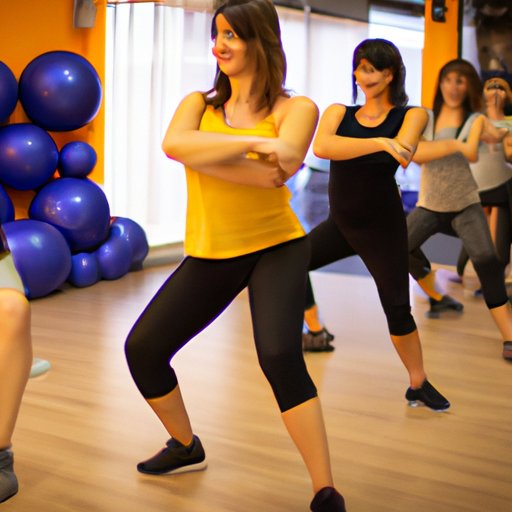
Once you’ve chosen a dance style, you can create a fun and effective dance exercise routine. Here are some tips for creating a successful dance exercise program:
Choosing a Dance Style
When choosing a dance style, it’s important to pick one that you enjoy and will stick with over time. Consider your interests, abilities, and goals when selecting a dance style. You may want to try several different styles before deciding on one.
Setting Goals and Developing a Plan
Once you’ve chosen a dance style, it’s important to set realistic goals and develop a plan to reach them. Make sure to set achievable goals that you can work towards over time. Additionally, it’s important to plan for adequate rest and recovery days.
Making Time to Dance Regularly
It’s important to make time for dancing regularly in order to see results. Try to fit in at least three 30-minute sessions of dance each week. If you’re short on time, you can break up the sessions into smaller 10-15 minute chunks throughout the day.
Using Music to Motivate and Inspire
Music can be a great motivator and source of inspiration when it comes to dancing. Choose music that you enjoy and that fits the style of dance you’re doing. This will help keep you motivated and focused while you’re dancing.
Tips for Starting a Dance Exercise Program
Starting a dance exercise program can be both fun and rewarding. Here are some tips for getting started:
Take Lessons or Join a Class
Taking lessons or joining a class can be a great way to learn the basics of a new dance style. Working with a professional instructor can help you perfect your technique and ensure that you’re doing the moves correctly.
Make it Fun and Engaging
Dancing should be fun and engaging. Find ways to make it enjoyable, such as playing your favorite music or inviting friends to join you. You may even want to consider joining a dance club or taking part in competitions.
Find a Partner or Form a Group
Finding a partner or forming a group can help make dancing more enjoyable and give you an extra boost of motivation. Working with a partner or group can also help you stay accountable and push yourself to reach your goals.
Listen to Your Body and Respect Your Limits
It’s important to listen to your body and respect your limits. Avoid pushing yourself too hard, and take breaks when needed. Remember to stay hydrated and fuel your body with the right nutrients before and after your dance sessions.
Conclusion
Dance is an excellent form of exercise with numerous physical and mental health benefits. From strengthening muscles and bones to reducing stress and improving cognitive function, dancing can be a great way to stay healthy and fit. With so many different dance styles to choose from, there’s something for everyone.
(Note: Is this article not meeting your expectations? Do you have knowledge or insights to share? Unlock new opportunities and expand your reach by joining our authors team. Click Registration to join us and share your expertise with our readers.)