
Introduction
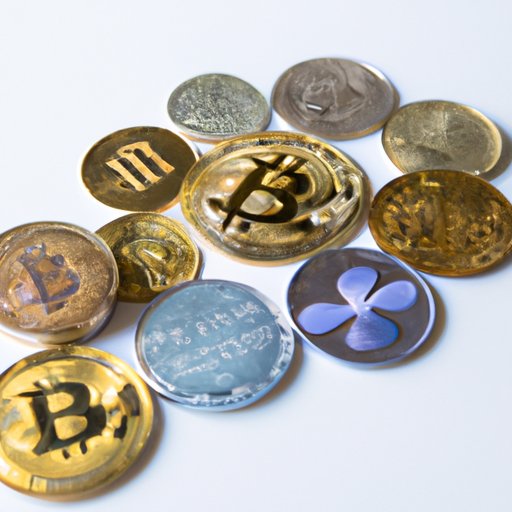
Cryptocurrency is a digital or virtual form of currency that uses cryptographic techniques to secure transactions and control the creation of new units. It has gained significant traction in recent years as an alternative to traditional forms of money. This raises the question: Is crypto the future of money? In this article, we explore this question by looking at the benefits and risks of cryptocurrency, examining potential regulations, analyzing the impact on traditional financial systems, and comparing it to other forms of money.
Exploring the Benefits of Cryptocurrency: Is Crypto the Future of Money?
Cryptocurrency offers many potential benefits over traditional forms of money, which contribute to its appeal as an alternative. Here are some of the main advantages of cryptocurrency.
Decentralized Nature of Cryptocurrency
One of the main benefits of cryptocurrency is its decentralized nature. Unlike fiat currency, which is issued and regulated by governments, cryptocurrency is not subject to government control. This means that it is free from government interference, and users have more autonomy over their funds. It also allows for faster and cheaper international transfers, since it bypasses the need for central banks and other intermediaries.
Increased Security
Cryptocurrency transactions are secured through cryptography, which makes them much more difficult to hack than traditional payment systems. This increased security makes it a more attractive option for those who are concerned about the safety of their funds.
Low Transaction Fees
Since cryptocurrency transactions do not require intermediaries, they often have lower associated fees than traditional payment methods. This makes it a more cost-effective option for large transfers or international payments.
Easier International Transactions
Cryptocurrency can be used for cross-border payments without having to go through a bank or other third-party intermediary. This makes it a more convenient option for those who need to make global payments.
Understanding the Risks of Cryptocurrency: Is Crypto the Future of Money?
While cryptocurrency offers many potential benefits, there are also some significant risks associated with it. Here are some of the main ones.
Volatility
Cryptocurrency is highly volatile, meaning its value can fluctuate significantly over short periods of time. This can make it risky for investors, as it is difficult to predict what will happen to the price in the future.
Lack of Regulation
Cryptocurrency is largely unregulated, which means that there is no central authority to protect investors or ensure the security of their funds. This can make it a riskier option than traditional forms of money.
Risk of Hacking
Despite its increased security, cryptocurrency is still vulnerable to hacking. This can lead to the loss of funds if proper security measures are not taken.
Examining Potential Regulations for Cryptocurrency: Is Crypto the Future of Money?
As cryptocurrency becomes more popular, governments around the world are beginning to look into ways to regulate it. Here are some of the potential regulations that could be implemented.
Government Oversight
Governments could introduce regulations that would provide oversight of cryptocurrency exchanges and other platforms. This would help protect investors and ensure the security of their funds.
Consumer Protection
Regulations could be introduced to protect consumers from fraud and other deceptive practices. This would help to reduce the risk of losses due to scams and other malicious activities.
Taxation
Governments could introduce taxation policies for cryptocurrency transactions. This would help to generate revenue and ensure that taxes are paid on profits made from investing in cryptocurrency.
Analyzing the Impact of Cryptocurrency on Traditional Financial Systems: Is Crypto the Future of Money?
The introduction of cryptocurrency could potentially have a major impact on traditional financial systems. Here are some of the potential effects.
Disruption of Banking Industry
Cryptocurrency could disrupt the banking industry, as it eliminates the need for banks to process payments. This could lead to a decrease in profits for banks, as well as job losses for employees.
Change in Financial Infrastructure
Cryptocurrency could also lead to changes in the infrastructure of the financial system. For example, it could lead to the emergence of new payment systems that are built on blockchain technology.
Comparing Cryptocurrency to Other Forms of Money: Is Crypto the Future of Money?
In order to determine whether cryptocurrency is the future of money, it is important to compare it to other forms of money. Here is a look at how it stacks up against fiat currency and precious metals.
Comparison to Fiat Currency
Fiat currency is issued and regulated by governments and is widely accepted as legal tender. Cryptocurrency, on the other hand, is decentralized and is not backed by any government. This makes it a riskier option than fiat currency, but it also allows for faster and cheaper international payments.
Comparison to Precious Metals
Precious metals such as gold and silver have been used as money for centuries. They offer stability and are less volatile than cryptocurrency, but they are not as easily transferable or divisible. This makes them a less attractive option for those who need to make frequent payments or transfers.
Conclusion
Cryptocurrency offers many potential benefits over traditional forms of money, including decentralization, increased security, low transaction fees, and easier international transactions. However, it also carries some risks, including volatility, lack of regulation, and risk of hacking. Governments are beginning to look into ways to regulate cryptocurrency, which could provide increased oversight and consumer protection. The introduction of cryptocurrency could also have a major impact on traditional financial systems, leading to disruption of the banking industry and changes in the infrastructure of the financial system. Finally, when compared to other forms of money, cryptocurrency is a riskier option but offers faster and cheaper international payments.
In conclusion, cryptocurrency is a promising alternative to traditional forms of money, but it is still too early to say definitively whether it will become the future of money. There are still many questions that need to be answered before it can be determined whether it will become a mainstream form of money. Only time will tell.
(Note: Is this article not meeting your expectations? Do you have knowledge or insights to share? Unlock new opportunities and expand your reach by joining our authors team. Click Registration to join us and share your expertise with our readers.)