
Introduction
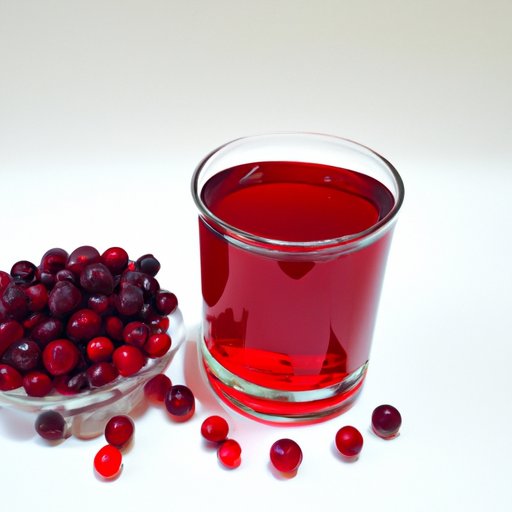
Cranberry juice is a tart, ruby-red beverage made from the juice of cranberries. It has become increasingly popular due to its potential health benefits. But is cranberry juice really healthy? In this article, we’ll explore the nutritional profile, the potential for preventing urinary tract infections (UTIs), and the possible risks of drinking cranberry juice.
A Comprehensive Look at the Health Benefits of Cranberry Juice
Cranberry juice is rich in vitamins, minerals, and other beneficial compounds that may help protect against certain diseases. Let’s take a closer look at some of the potential health benefits of cranberry juice.
Nutritional Benefits
Cranberry juice is a good source of essential vitamins and minerals. One cup (237 ml) of unsweetened cranberry juice provides (1):
- Vitamin C: 24% of the Reference Daily Intake (RDI)
- Manganese: 12% of the RDI
- Vitamin E: 10% of the RDI
- Vitamin K: 8% of the RDI
- Copper: 7% of the RDI
Cranberry juice is also a good source of several plant compounds, including polyphenols, anthocyanins, and proanthocyanidins (2).
Potential for Preventing Urinary Tract Infections
Urinary tract infections (UTIs) are a common type of infection caused by bacteria entering the urethra or bladder. They can be painful and uncomfortable and may require antibiotics to treat (3).
Cranberry juice has been studied as a potential remedy for UTIs, as it contains compounds with antibacterial properties. A review of 11 studies found that cranberry juice may reduce the risk of UTIs in women who experience recurrent infections (4).
However, the evidence is mixed, and more research is needed before any definitive conclusions can be drawn (5). Some studies suggest that cranberry products may not be effective for preventing UTIs in all populations (6).
Antioxidant Content
Cranberry juice is a good source of antioxidants, which are compounds that protect your cells from damage caused by free radicals (7).
A study in 20 adults found that those who drank 16 ounces (473 ml) of cranberry juice daily for two weeks had significantly higher levels of antioxidants in their blood than those who did not drink cranberry juice (8).
Additionally, a test-tube study showed that cranberry juice was more effective than orange juice at reducing oxidative damage caused by free radicals (9).
Exploring the Nutritional Profile of Cranberry Juice
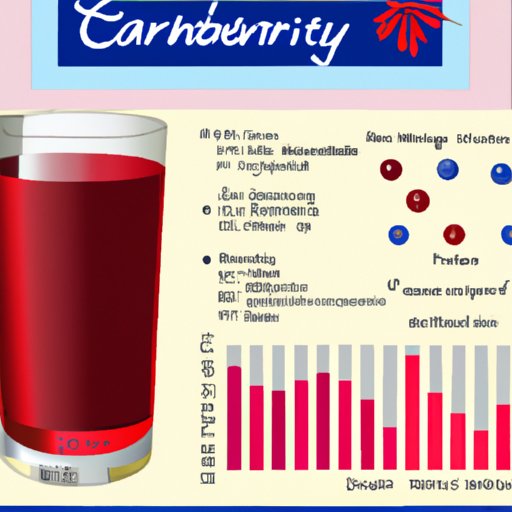
Cranberry juice is relatively high in calories and carbohydrates, but it also contains many essential vitamins and minerals.
Vitamins and Minerals
Cranberry juice is an excellent source of vitamin C and manganese, both of which play important roles in your body. Vitamin C helps boost your immune system and aids in wound healing, while manganese is involved in energy metabolism, bone development, and antioxidant defense (10).
One cup (237 ml) of unsweetened cranberry juice also provides small amounts of calcium, magnesium, phosphorus, and potassium (1).
Calorie and Carbohydrate Content
One cup (237 ml) of unsweetened cranberry juice contains (1):
- Calories: 116
- Carbohydrates: 29 grams
- Sugars: 22 grams
Keep in mind that many brands add sugar to cranberry juice to make it taste sweeter. Therefore, be sure to check labels if you’re watching your sugar intake.
Does Cranberry Juice Help Prevent Urinary Tract Infections?
Cranberry juice has long been used as a home remedy for treating and preventing UTIs. Let’s take a closer look at the evidence.
The Evidence
Most of the research on cranberry juice and UTIs has focused on women, as they’re more likely to experience recurrent infections.
A review of 11 studies found that cranberry juice may reduce the risk of UTIs in women who experience recurrent infections (4). Additionally, another review of nine studies concluded that cranberry juice may help prevent UTIs, especially in women with a history of recurrent infections (11).
However, other studies have found no significant benefit of cranberry juice in preventing UTIs (12, 13).
Other Ways to Prevent UTIs
If you’re looking for ways to prevent UTIs, there are other methods you can try. These include (14):
- Drinking plenty of water throughout the day
- Emptying your bladder after intercourse
- Avoiding douching
- Wiping front to back after using the bathroom
- Wearing cotton underwear
- Avoiding tight clothing
- Taking showers instead of baths
Is Cranberry Juice a Good Source of Antioxidants?
Cranberry juice is a good source of antioxidants, which are compounds that protect your cells from damage caused by free radicals. Let’s take a closer look at the types of antioxidants found in cranberry juice and their potential health benefits.
The Types of Antioxidants in Cranberry Juice
Cranberry juice contains several powerful antioxidants, including polyphenols, anthocyanins, and proanthocyanidins (2).
Polyphenols are compounds found in plants that may help reduce inflammation, lower cholesterol, and protect against chronic diseases (15, 16).
Anthocyanins and proanthocyanidins are types of polyphenols that give cranberries their deep red color. Studies have found that these compounds may help protect against cancer, heart disease, and other chronic diseases (17, 18, 19).
Potential Health Benefits of Antioxidants
Antioxidants may offer a variety of health benefits, such as reducing inflammation, protecting against chronic diseases, and improving heart health (20, 21, 22).
A study in 20 adults found that those who drank 16 ounces (473 ml) of cranberry juice daily for two weeks had significantly higher levels of antioxidants in their blood than those who did not drink cranberry juice (8).
Additionally, a test-tube study showed that cranberry juice was more effective than orange juice at reducing oxidative damage caused by free radicals (9).
A Closer Look at the Potential Risks of Drinking Cranberry Juice
Although cranberry juice may offer some health benefits, it can also pose some risks. Let’s take a closer look.
Sugar Content
Many brands of cranberry juice contain added sugar, which can increase the calorie and carbohydrate content. This can lead to weight gain and an increased risk of diabetes and other chronic diseases (23).
Therefore, it’s important to read labels carefully and choose unsweetened varieties whenever possible.
Acidic Nature
Cranberry juice is quite acidic, with a pH range of 2.3–2.5 (24).
Drinking large amounts of cranberry juice can irritate your throat and upset your stomach. If you have acid reflux or other gastrointestinal issues, it’s best to limit your intake or avoid it altogether.
Other Possible Side Effects
Cranberry juice may interfere with certain medications, such as warfarin, a medication used to thin the blood (25).
If you’re taking any medications, it’s best to speak with your doctor before consuming cranberry juice.
Conclusion
Cranberry juice is a tart, ruby-red beverage made from the juice of cranberries. It’s rich in essential vitamins and minerals and contains several beneficial plant compounds. Additionally, it may help reduce the risk of UTIs, especially in women with recurrent infections.
Cranberry juice is also a good source of antioxidants, which may help reduce inflammation, lower cholesterol, and protect against chronic diseases. However, be sure to choose unsweetened varieties, as many brands add sugar to cranberry juice.
Finally, drinking large amounts of cranberry juice can cause stomach upset and interfere with certain medications. Therefore, it’s best to consume it in moderation.
(Note: Is this article not meeting your expectations? Do you have knowledge or insights to share? Unlock new opportunities and expand your reach by joining our authors team. Click Registration to join us and share your expertise with our readers.)