
Introduction
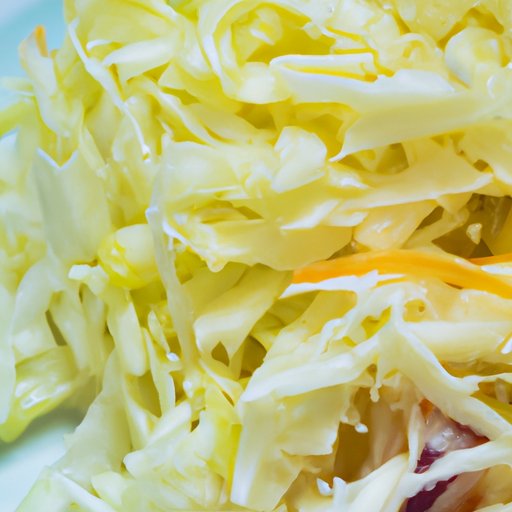
Cole slaw is a classic side dish that is often served alongside barbecued meats or burgers. It typically consists of thinly sliced cabbage, carrots, and other vegetables, which are mixed together with some kind of creamy dressing. But is cole slaw healthy? In this article, we will explore the nutritional benefits and health risks associated with eating cole slaw, as well as ways to make a healthier version of this popular side dish.
Exploring the Nutritional Benefits of Eating Cole Slaw
When it comes to nutritional value, cole slaw has a lot to offer. The main ingredients – cabbage, carrots, and other vegetables – are packed with vitamins and minerals. Cabbage, for example, is an excellent source of vitamin C, which helps support a strong immune system. Carrots are rich in beta carotene, which is essential for good vision. Other vegetables like onions and bell peppers are also high in vitamins and minerals.
In addition to its vitamin and mineral content, cole slaw is also a good source of fiber. Fiber is important for digestive health and can help keep you feeling fuller for longer. One cup of cole slaw contains about 2 grams of dietary fiber, which is 8% of the daily recommended amount.
Finally, cole slaw is relatively low in calories. One cup of cole slaw contains just over 100 calories, making it a great choice for those looking to lose weight.

Examining the Health Risks Associated with Eating Cole Slaw
While cole slaw does have some nutritional benefits, there are also some potential health risks associated with eating it. The most notable risk is the high sodium content. One cup of cole slaw contains about 500 milligrams of sodium, which is about 20% of the daily recommended amount. Eating too much sodium can lead to increased blood pressure, which can put you at risk for heart disease and stroke.
Cole slaw is also high in fat. Most of the fat in cole slaw comes from the creamy dressing, which is usually made with mayonnaise or sour cream. While some fats are essential for a healthy diet, the saturated fats found in mayonnaise and sour cream should be limited. These types of fats can increase your risk of heart disease.
Finally, cole slaw can pose an allergen risk for some people. If you have an allergy to any of the ingredients in cole slaw, such as cabbage, carrots, or onions, it’s best to avoid eating it.
Is Cole Slaw a Healthy Choice for Weight Loss?
If you’re trying to lose weight, you may be wondering if cole slaw is a healthy choice. The answer depends on how you look at it. On one hand, cole slaw is relatively low in calories, so it won’t derail your weight loss efforts. On the other hand, the high fat content means that the calories from fat outweigh the calories from protein. So while cole slaw may not be the worst thing you could eat, it’s not the best choice either.
That said, cole slaw can still be part of a balanced diet. Just be sure to watch your portion sizes and opt for lighter dressings when possible. You can also add additional fruits and vegetables to boost the nutritional value of your cole slaw.

A Closer Look at the Ingredients in Cole Slaw
The type of dressing used in cole slaw can have a big impact on its nutritional value. Creamy dressings like mayonnaise and sour cream are high in fat and calories, so they should be used sparingly. Vinegar-based dressings like apple cider vinegar or balsamic vinegar are much lower in fat and calories, so they are a better option.
In addition to the dressing, there are also a variety of other ingredients that can be added to cole slaw. Common add-ins include apples, raisins, nuts, and seeds. These can all add flavor and texture to the dish, but they can also increase the calorie count. So if you’re watching your weight, it’s best to limit the amount of these ingredients you use.
The Pros and Cons of Eating Cole Slaw
Like any food, there are both pros and cons to eating cole slaw. On the plus side, cole slaw is low in calories, high in fiber, and packed with vitamins and minerals. It can also be a great way to add some crunch and flavor to meals. On the downside, cole slaw is high in sodium and fat, and it can pose an allergen risk for some people.

How to Make a Healthy Version of Cole Slaw
If you want to enjoy cole slaw without all the unhealthy ingredients, there are a few simple steps you can take. First, substitute creamy dressings for lighter ones like apple cider vinegar or balsamic vinegar. You can also add additional fruits and vegetables to boost the nutritional value, such as apples, grapes, celery, or bell peppers. Finally, be sure to limit the amount of salt and sugar you use, as these can add unnecessary calories.
By following these tips, you can enjoy cole slaw without having to worry about negative health effects.
Conclusion
Cole slaw can be a delicious and nutritious side dish. However, it’s important to be aware of the potential health risks associated with it. To ensure you’re getting the most nutritional benefit out of your cole slaw, opt for lighter dressings, add additional fruits and vegetables, and limit the amount of salt and sugar. With a few simple changes, you can enjoy cole slaw without compromising your health.
(Note: Is this article not meeting your expectations? Do you have knowledge or insights to share? Unlock new opportunities and expand your reach by joining our authors team. Click Registration to join us and share your expertise with our readers.)