

Introduction
Coconut sugar is made from the sap of the coconut palm tree flower. It is a natural sweetener that has become increasingly popular in recent years due to its low glycemic index and potential health benefits. However, there are also some potential risks associated with coconut sugar consumption. In this article, we will review the health benefits and risks of coconut sugar, compare it to white sugar, and explore how it can be used as an alternative sweetener.
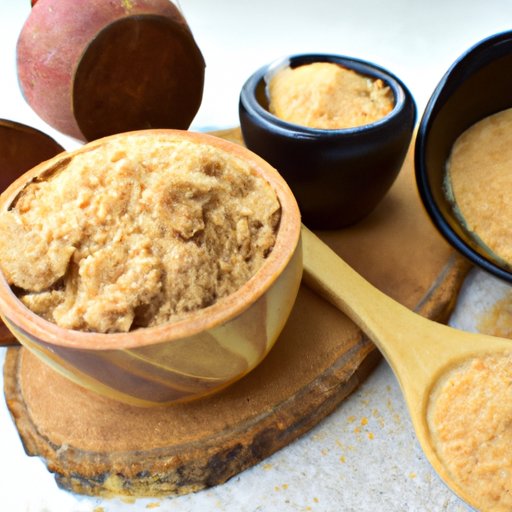
A Review of Coconut Sugar: Health Benefits and Risks
Coconut sugar has many potential health benefits when used in moderation. Here are some of the key benefits of using coconut sugar:
Health Benefits of Coconut Sugar
1. Low Glycemic Index: Coconut sugar has a low glycemic index, which means that it doesn’t cause spikes in blood sugar levels like white sugar does. This makes it a good choice for those who are trying to manage their blood sugar levels.
2. High in Essential Minerals: Coconut sugar is a rich source of essential minerals, including iron, zinc, calcium, and potassium. These minerals are important for optimal health and can help support your immune system.
3. Rich Source of Antioxidants: Coconut sugar also contains antioxidants, which can help protect your cells from damage caused by free radicals. Additionally, antioxidants have been linked to improved heart health and a reduced risk of certain diseases.
Potential Risks of Coconut Sugar
Although coconut sugar has many potential health benefits, it is still important to be aware of the potential risks associated with consuming too much of it. Here are some potential risks to consider before incorporating coconut sugar into your diet:
1. High Calorie Content: Coconut sugar is high in calories, so it should be consumed in moderation. Too much coconut sugar can lead to weight gain.
2. Risk of Cavities: Coconut sugar contains fructose, which can increase your risk of cavities if consumed in excess. Therefore, it is important to limit your intake of coconut sugar to prevent tooth decay.
3. Not Suitable for Diabetics: Although coconut sugar has a lower glycemic index than white sugar, it is still not suitable for diabetics. Diabetics should avoid any added sugars, including coconut sugar.
Is Coconut Sugar a Healthy Alternative to White Sugar?
When deciding whether or not to use coconut sugar as an alternative to white sugar, it is important to compare the nutritional values of each. The following table shows the nutritional breakdown of both coconut sugar and white sugar per 100 grams:
| Nutrient | Coconut Sugar | White Sugar |
|---|---|---|
| Calories | 387 kcal | 399 kcal |
| Carbohydrates | 97 g | 100 g |
| Sugars | 93 g | 99 g |
| Fiber | 1.6 g | 0 g |
| Protein | 1.5 g | 0 g |
As you can see, coconut sugar contains slightly fewer calories than white sugar and is also higher in fiber. Additionally, coconut sugar contains several minerals that are not found in white sugar, such as iron, zinc, calcium, and potassium.
The health implications of switching from white sugar to coconut sugar depend on how much sugar you consume. If you are someone who consumes a lot of sugar, then switching to coconut sugar may provide some health benefits. However, if you are someone who consumes very little sugar, then switching to coconut sugar may not make much of a difference.
What You Need to Know About Coconut Sugar
If you are considering using coconut sugar as an alternative to white sugar, there are a few things you should know about how to use it properly. Here are some tips for using coconut sugar safely and effectively:
How to Use Coconut Sugar
Coconut sugar can be used as a direct replacement for white sugar in recipes. It has a mild, caramel-like flavor and can be used in baking, cooking, and even as a topping for oatmeal or yogurt.
How to Store Coconut Sugar
Coconut sugar should be stored in an airtight container in a cool, dry place. It will keep for up to two years if stored properly.
Coconut Sugar Substitutes
If you don’t have access to coconut sugar, there are other alternatives that can be used instead. Maple syrup, honey, stevia, and date sugar are all good substitutes for coconut sugar.
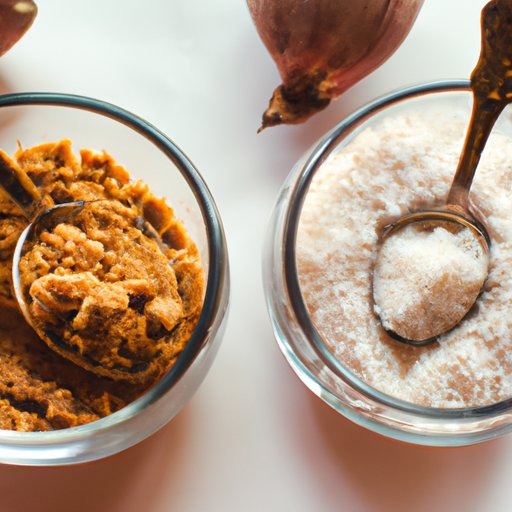
Exploring the Pros and Cons of Coconut Sugar
When deciding whether or not to use coconut sugar, it is important to consider the pros and cons. Here is a quick summary of the benefits and risks associated with coconut sugar:
Pros
1. Low Glycemic Index: Coconut sugar has a low glycemic index, which means that it won’t cause spikes in your blood sugar levels like white sugar does.
2. Rich in Minerals: Coconut sugar is a rich source of essential minerals, including iron, zinc, calcium, and potassium.
3. Antioxidant-rich: Coconut sugar also contains antioxidants, which can help protect your cells from damage.
Cons
1. High Calorie Content: Coconut sugar is high in calories, so it should be consumed in moderation.
2. Risk of Cavities: Coconut sugar contains fructose, which can increase your risk of cavities if consumed in excess.
3. Not Suitable for Diabetics: Coconut sugar is not suitable for diabetics, as it still contains sugar.
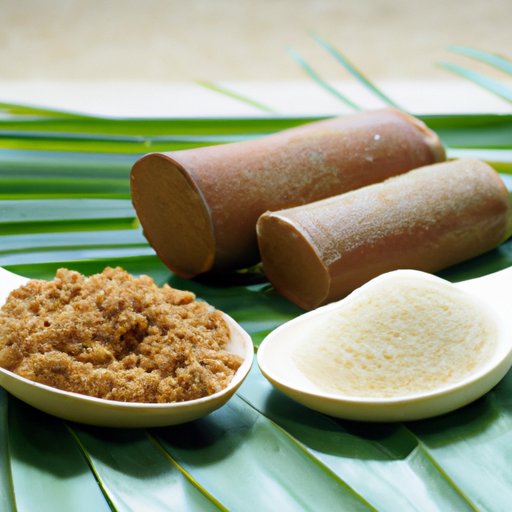
The Nutritional Benefits of Coconut Sugar Compared to White Sugar
Coconut sugar provides several nutritional benefits when compared to white sugar. For example, it contains fewer calories, more fiber, and several essential minerals that are not found in white sugar. Additionally, coconut sugar has a lower glycemic index, which means that it won’t cause spikes in your blood sugar levels like white sugar does.
However, it is important to remember that coconut sugar still contains sugar and should be consumed in moderation. While it may offer some health benefits, it is still not a health food and should not be consumed in large quantities.
Conclusion
In conclusion, coconut sugar is a natural sweetener that can be used as an alternative to white sugar. It has a lower glycemic index and contains several essential minerals that are not found in white sugar. However, it is still important to be aware of the potential risks associated with consuming too much coconut sugar, such as its high calorie content, risk of cavities, and potential negative effects on diabetics.
Ultimately, coconut sugar can be a healthier alternative to white sugar if used in moderation. However, it is important to be mindful of your overall sugar intake and to opt for healthier alternatives wherever possible.
(Note: Is this article not meeting your expectations? Do you have knowledge or insights to share? Unlock new opportunities and expand your reach by joining our authors team. Click Registration to join us and share your expertise with our readers.)