

Introduction
Cilantro is an aromatic herb that belongs to the Apiaceae family, which also includes parsley, carrots, and celery. It has a distinct flavor that is often described as citrusy, slightly pungent, and earthy. Cilantro is native to Mediterranean countries, but it is now used worldwide in cuisines from Latin America to Southeast Asia. The leaves and stems of the plant are edible and can be used fresh or dried.
Cilantro has long been valued for its culinary and medicinal uses, and it is gaining attention for its potential health benefits. In this article, we’ll explore the nutritional value of cilantro and how it can help improve your health. We’ll also discuss the potential risks of consuming too much cilantro. Finally, we’ll provide a comprehensive guide to eating cilantro for optimal health.
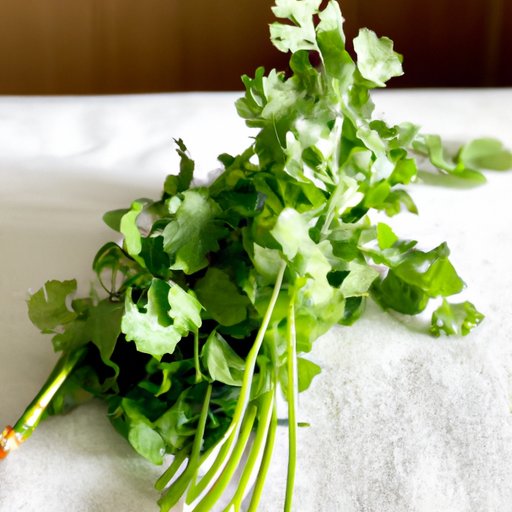
Exploring the Health Benefits of Cilantro
Is cilantro a superfood? While there is no official definition of a superfood, cilantro certainly has some impressive nutritional properties. It is low in calories and high in vitamins A, K, and C, as well as minerals such as potassium, calcium, and magnesium. Cilantro also contains dietary fiber, which can help support digestion and reduce cholesterol levels. Additionally, cilantro is rich in antioxidants, which can help protect your cells from damage caused by free radicals.
The health benefits of cilantro have been studied extensively. Studies have found that cilantro may help reduce inflammation, lower blood pressure, and improve heart health. It may also have anti-diabetic and anti-cancer properties. Additionally, cilantro has been linked to improved brain health and cognitive function. Finally, cilantro has been shown to have antibacterial and antifungal properties, which can help boost your immune system.
What Are the Potential Health Risks of Eating Too Much Cilantro?
While cilantro can be beneficial in moderate amounts, it is important to be aware of the potential health risks of consuming too much cilantro. Eating large amounts of cilantro can cause digestive upset, such as diarrhea, bloating, and gas. Additionally, cilantro can interfere with certain medications, so it is important to check with your doctor before consuming large quantities of cilantro if you are taking any prescription drugs.
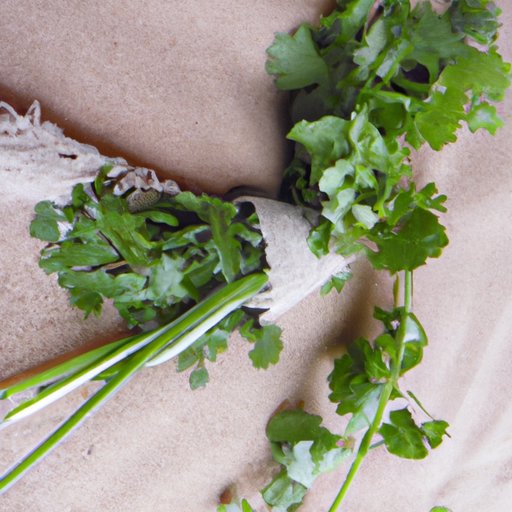
The Role of Cilantro in Traditional Medicine
Cilantro has been used for centuries in traditional medicine. In Ayurvedic medicine, cilantro is believed to help balance the three doshas—the energies associated with physical and mental health. In Chinese medicine, cilantro is used to treat digestive disorders and improve circulation. In Mexico, cilantro is believed to have detoxifying properties, while in India, cilantro is used to treat skin conditions and reduce fever.
A Comprehensive Guide to Eating Cilantro for Optimal Health
If you want to get the most out of cilantro, it’s important to know how to prepare and cook with it. When buying cilantro, look for bright green leaves, as this indicates freshness. Dried cilantro should be a deep green color and have a pleasant aroma. Cilantro should be stored in the refrigerator, where it will keep for up to a week.
When cooking with cilantro, it is best to add it near the end of the cooking process, as heat can destroy the delicate flavor of the herb. For salads and other raw dishes, cilantro should be chopped finely and added just before serving. Cilantro is also delicious when blended into sauces, soups, and stews. Suggested serving sizes range from 1/2 cup per day to 1/4 cup per meal.
Conclusion
Cilantro is an aromatic herb with many potential health benefits. It is low in calories and packed with nutrients, including vitamins A, K, and C, as well as minerals like potassium, calcium, and magnesium. Cilantro also contains dietary fiber, antioxidants, and antibacterial and antifungal compounds. Studies suggest that cilantro may help reduce inflammation, lower blood pressure, and improve heart health. However, it is important to be aware of the potential risks of consuming too much cilantro, such as digestive upset and interference with certain medications.
Incorporating cilantro into your diet is easy. Look for bright green leaves and store in the refrigerator. When cooking with cilantro, add it near the end of the cooking process. Suggested serving sizes range from 1/2 cup per day to 1/4 cup per meal. With its impressive nutritional profile and potential health benefits, cilantro is an excellent addition to any healthy diet.
(Note: Is this article not meeting your expectations? Do you have knowledge or insights to share? Unlock new opportunities and expand your reach by joining our authors team. Click Registration to join us and share your expertise with our readers.)