
Introduction
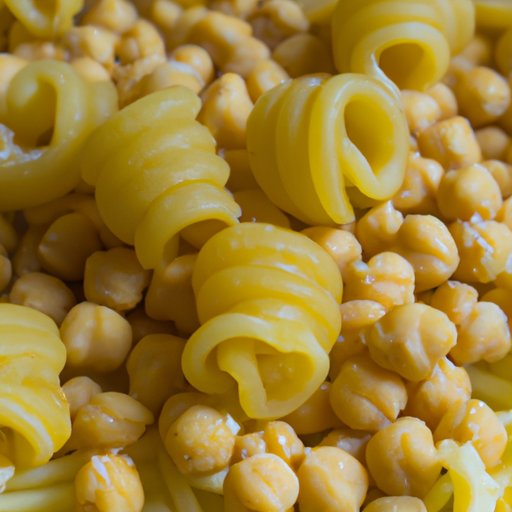
Chickpea pasta is quickly becoming one of the most popular alternatives to traditional wheat-based pasta. But is it actually healthier? This article will explore the nutritional profile of chickpea pasta, examine the potential health benefits and risks, and evaluate the reasons why it has become so popular among health-conscious consumers.
Exploring the Health Benefits of Chickpea Pasta
Chickpea pasta is made from ground chickpeas, which are rich in vitamins, minerals, and fiber. As such, there are several potential health benefits associated with consuming chickpea pasta.
High Fiber Content
Fiber is an important component of a healthy diet, as it helps to regulate digestion, improve heart health, and manage blood sugar levels. Chickpea pasta contains significantly more dietary fiber than traditional wheat-based pastas, with a single 2-ounce serving providing 6 grams of fiber – roughly 25 percent of the recommended daily intake for adults. According to a study published in the journal Nutrients, “high dietary fiber intake has been consistently associated with reduced risk of chronic diseases, including type 2 diabetes mellitus, cardiovascular disease, and certain types of cancer.”
Low Glycemic Index
The glycemic index (GI) is a measure of how quickly a food raises blood sugar levels. Foods with a low GI are digested more slowly, resulting in a more gradual rise in blood sugar. Chickpea pasta has a much lower GI than traditional wheat-based pastas, making it a better choice for those looking to manage their blood sugar levels or prevent spikes in energy levels after eating. According to a study published in the British Journal of Nutrition, “the low GI of chickpea pasta may be beneficial for people with diabetes and those trying to control their weight.”
High Protein Content
Chickpea pasta also contains significantly more protein than traditional wheat-based pastas. A single 2-ounce serving provides 10 grams of protein, which is roughly 20 percent of the recommended daily intake for adults. Protein is essential for maintaining muscle mass, boosting metabolism, and promoting satiety. It can also help to regulate blood sugar levels and reduce cravings for unhealthy snacks between meals.
Comparing Chickpea Pasta to Traditional Wheat-Based Pastas
While chickpea pasta has some clear advantages over traditional wheat-based pastas, it is important to compare their nutritional profiles in order to get a full picture of their relative health benefits.
Nutritional Profile of Wheat-Based Pastas
Traditional wheat-based pastas are typically made from durum wheat flour, water, and salt. They contain fewer calories than chickpea pasta, but also less protein, fiber, and vitamins and minerals. A single 2-ounce serving of traditional wheat-based pasta provides 4 grams of protein, 3 grams of fiber, and minimal amounts of vitamins and minerals.
Comparison of Health Benefits
When comparing the two types of pasta, it is clear that chickpea pasta offers a number of potential health benefits that are not found in traditional wheat-based pastas. In addition to its higher fiber and protein content, chickpea pasta also has a lower glycemic index, which can help to regulate blood sugar levels and reduce cravings for unhealthy snacks.

Examining the Nutritional Profile of Chickpea Pasta
In addition to its high fiber and protein content, chickpea pasta is also a good source of essential vitamins and minerals. Here is a closer look at its macronutrient and micronutrient content:
Macronutrient Content
A single 2-ounce serving of chickpea pasta provides 110 calories, 10 grams of protein, 6 grams of dietary fiber, and 2 grams of fat. It is also a good source of complex carbohydrates, which provide sustained energy throughout the day.
Vitamin and Mineral Content
Chickpea pasta is also an excellent source of essential vitamins and minerals. It is particularly rich in folate, iron, magnesium, phosphorus, potassium, and B vitamins. These nutrients are essential for a variety of bodily functions, including energy production, bone health, and immune system function.

Investigating the Role of Chickpea Pasta in a Balanced Diet
Chickpea pasta can be a nutritious and delicious addition to any balanced diet. However, it is important to take into consideration suggested serving sizes, as well as other foods that should accompany it.
Suggested Serving Sizes
According to the Academy of Nutrition and Dietetics, adults should aim to consume 1 ½ to 2 ounces of cooked pasta per serving. For those looking to lose weight or maintain a healthy weight, it is important to watch portion sizes, as larger servings can lead to weight gain.
Variety of Foods to Accompany Chickpea Pasta
In order to ensure a balanced meal, it is important to pair chickpea pasta with other nutrient-rich foods. This could include vegetables, lean proteins, healthy fats, and whole grains. For example, a classic Italian dish of chickpea pasta with tomatoes, garlic, and olive oil provides a balanced mix of complex carbohydrates, protein, and healthy fats.

Examining the Potential Health Risks of Eating Too Much Chickpea Pasta
Although chickpea pasta offers a number of potential health benefits, it is important to recognize that there are also some potential risks associated with consuming too much of it.
GI Discomfort
Due to its high fiber content, eating too much chickpea pasta can cause gastrointestinal discomfort, such as bloating, gas, and abdominal pain. To avoid this, it is important to start with smaller servings and gradually increase portion sizes as your body adjusts. It is also important to drink plenty of water throughout the day, as this can help to reduce the symptoms of GI discomfort.
Allergy Risk
Chickpea pasta is made from legumes, which means that it may trigger allergies in some individuals. If you have an allergy to legumes, it is important to check the ingredients label before consuming chickpea pasta. Additionally, it is important to speak to your doctor if you experience any symptoms of an allergic reaction, such as hives, swelling, or difficulty breathing.
Evaluating the Popularity of Chickpea Pasta Among Health Conscious Consumers
Chickpea pasta has become increasingly popular among health-conscious consumers due to its high fiber and protein content, as well as its low glycemic index. Here is a closer look at why it has become so popular:
Reasons for its Popularity
Health-conscious consumers are increasingly drawn to chickpea pasta due to its potential health benefits. Its high fiber content can help to regulate digestion, while its low glycemic index can help to manage blood sugar levels. Additionally, its high protein content can help to boost metabolism and promote satiety.
Availability of Chickpea Pasta
Chickpea pasta is widely available in health food stores and online retailers. It is typically sold in boxes and bags, and can also be found in a variety of flavors and shapes. This makes it easy to incorporate into a variety of dishes, from classic Italian pasta dishes to Asian-inspired noodle bowls.
Conclusion
Chickpea pasta is quickly becoming one of the most popular alternatives to traditional wheat-based pastas. It is an excellent source of fiber, protein, vitamins, and minerals, and has a low glycemic index, making it a great choice for those looking to regulate their blood sugar levels. However, it is important to recognize that there are potential health risks associated with eating too much of it, such as gastrointestinal discomfort and an increased risk of allergies. When eaten in moderation as part of a balanced diet, chickpea pasta can be a nutritious and delicious addition to any meal.
(Note: Is this article not meeting your expectations? Do you have knowledge or insights to share? Unlock new opportunities and expand your reach by joining our authors team. Click Registration to join us and share your expertise with our readers.)