

Introduction
In recent years, cauliflower pizza crust has become a popular alternative to traditional wheat-based pizza crust. With its low-carb options and reduced risk of diabetes and heart disease, many people are wondering: is cauliflower crust pizza healthy? In this article, we’ll explore the health benefits and drawbacks of this delicious dish and provide tips for making it part of a balanced diet.

Exploring the Health Benefits of Cauliflower Pizza Crust
When compared to traditional wheat-based pizza crust, cauliflower pizza crust offers several health benefits. Let’s take a closer look at some of them.
Nutritional Benefits
Cauliflower pizza crust is made from finely ground cauliflower, which is high in vitamins, minerals, and antioxidants. It also contains dietary fiber, which helps to promote digestive health. Additionally, because cauliflower is naturally low in calories, it can help you to feel full without consuming too many calories.
Low-Carb Options
Cauliflower pizza crust is an excellent option for those who are trying to reduce their carbohydrate intake. One slice of a typical wheat-based pizza crust contains about 25 grams of carbohydrates, whereas a slice of cauliflower pizza crust only contains about 5 grams. This makes it a great choice for those on low-carb diets.
Reduced Risk of Diabetes and Heart Disease
Eating foods that are low in carbohydrates can help to reduce your risk of developing type 2 diabetes and heart disease. Studies have shown that people who eat fewer carbohydrates are less likely to develop these conditions. Additionally, because cauliflower pizza crust is low in calories, it can also help to maintain a healthy weight, which is another important factor when it comes to reducing your risk of diabetes and heart disease.
A Nutritional Analysis of Cauliflower Pizza Crust vs. Traditional Pizza Crust
Now that we’ve explored some of the health benefits of cauliflower pizza crust, let’s take a look at how it compares to traditional pizza crust in terms of nutrition.
Calorie Content
One slice of traditional wheat-based pizza crust contains about 130 calories, whereas one slice of cauliflower pizza crust contains about 50 calories. This means that if you’re looking to cut calories, cauliflower pizza crust is a better choice than traditional pizza crust.
Carbohydrates
As mentioned earlier, one slice of traditional wheat-based pizza crust contains about 25 grams of carbohydrates, whereas one slice of cauliflower pizza crust contains about 5 grams. This makes cauliflower pizza crust a much better choice for those watching their carb intake.
Protein
One slice of traditional wheat-based pizza crust contains about 4 grams of protein, whereas one slice of cauliflower pizza crust contains about 2 grams. Thus, while both types of pizza crust offer some protein, traditional pizza crust provides more.
Fat
One slice of traditional wheat-based pizza crust contains about 3 grams of fat, whereas one slice of cauliflower pizza crust contains about 1 gram. Again, traditional pizza crust provides more fat than cauliflower pizza crust.
Sodium
One slice of traditional wheat-based pizza crust contains about 300 milligrams of sodium, whereas one slice of cauliflower pizza crust contains about 150 milligrams. Thus, while both types of pizza crust contain some sodium, traditional pizza crust provides more.

Examining the Pros and Cons of Cauliflower Pizza Crust
Now that we’ve looked at the nutritional differences between cauliflower pizza crust and traditional pizza crust, let’s take a look at some of the pros and cons of each.
Pros
The main benefit of cauliflower pizza crust is that it is lower in calories and carbohydrates than traditional pizza crust. This makes it a great choice for those who are watching their calorie and/or carbohydrate intake. Additionally, because it is made from vegetables, it provides more vitamins, minerals, and antioxidants than traditional pizza crust.
Cons
One of the main drawbacks of cauliflower pizza crust is that it is not as flavorful as traditional pizza crust. Additionally, it can be difficult to work with, as it can easily become soggy or fall apart. It also tends to be more expensive than traditional pizza crust.
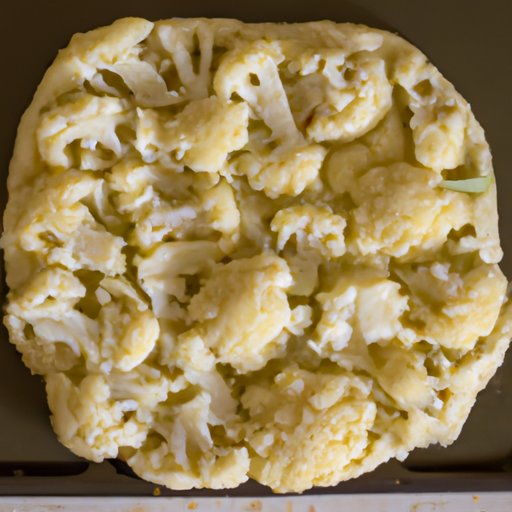
Cooking with Cauliflower: An Overview of Cauliflower Pizza Crust
If you’re interested in trying out cauliflower pizza crust, here’s what you’ll need to get started.
What You’ll Need
To make cauliflower pizza crust, you’ll need the following ingredients:
- 1 head of cauliflower
- 1 egg
- 1/4 cup of shredded cheese (mozzarella, parmesan, or a combination)
- 1 teaspoon of garlic powder
- 1 teaspoon of Italian seasoning
Step-by-Step Instructions
- Preheat oven to 425°F.
- Chop the cauliflower into small pieces and place in a food processor. Pulse until it forms a fine crumb.
- Transfer the cauliflower crumbs to a microwave-safe bowl. Cover and microwave for 3-4 minutes, until the cauliflower is soft.
- Let the cauliflower cool for a few minutes, then transfer it to a clean kitchen towel. Squeeze out as much water as possible.
- Transfer the cauliflower back to the bowl and add the egg, cheese, garlic powder, and Italian seasoning. Stir until well combined.
- Spread the mixture onto a greased baking sheet, forming it into a thin crust.
- Bake for 20 minutes, or until golden brown.
- Remove from oven and top with desired toppings. Place back in the oven for 10 minutes, or until the cheese is melted and bubbly.
- Remove from oven and let cool before slicing and serving.
Finding Balance: Eating Healthy with Cauliflower Pizza Crust
Cauliflower pizza crust can be a delicious and healthy addition to your diet. Here are a few tips for making it part of a balanced diet.
Making it Part of a Balanced Diet
When eating cauliflower pizza crust, it’s important to make sure that you’re getting other essential nutrients such as protein, healthy fats, and fiber. Try topping your pizza with lean proteins such as grilled chicken or fish, and adding plenty of veggies such as bell peppers, mushrooms, and spinach.
Substituting Other Ingredients
If you’d like to reduce the amount of carbs in your pizza crust even further, you can try substituting the cauliflower for other low-carb ingredients such as almond flour or coconut flour. Just keep in mind that these ingredients may change the texture and flavor of the pizza crust.
Seeking Out Recipes
For even more ideas on how to make cauliflower pizza crust, try searching online for recipes. There are plenty of delicious options out there, so you’re sure to find something that appeals to your taste buds.
Conclusion
Cauliflower pizza crust is a delicious and nutritious alternative to traditional wheat-based pizza crust. It is low in calories and carbohydrates, and it is high in vitamins, minerals, and antioxidants. Additionally, it can help to reduce your risk of developing type 2 diabetes and heart disease. However, it is important to remember that it should still be eaten in moderation and as part of a balanced diet.
Overall, cauliflower pizza crust is a great way to enjoy pizza without compromising your health. With the right ingredients and preparation, it can be a delicious and nutritious addition to your diet.
(Note: Is this article not meeting your expectations? Do you have knowledge or insights to share? Unlock new opportunities and expand your reach by joining our authors team. Click Registration to join us and share your expertise with our readers.)