
Introduction
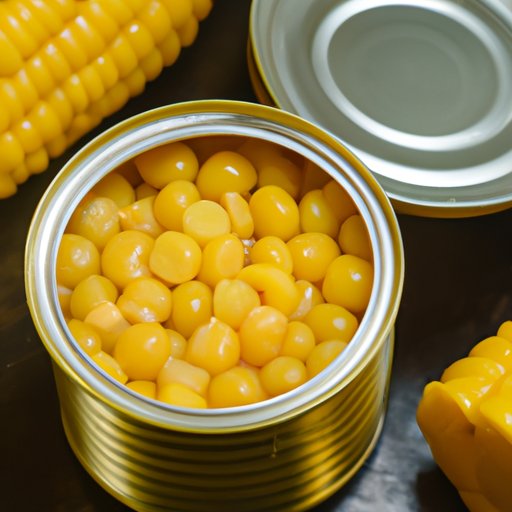
Canned corn is a convenient and affordable food option, but is it healthy? With so many conflicting messages in the media, it can be difficult to determine the truth about canned corn. This article will explore the nutritional value of canned corn, as well as the potential pros and cons of eating this popular food, to help readers make an informed decision about whether or not canned corn is healthy for them.
A Nutritional Breakdown of Canned Corn
Canned corn is a nutrient-dense food, providing a variety of essential vitamins and minerals. One cup of canned corn contains approximately 121 calories, 2.5 grams of protein, 25.7 grams of carbohydrates, 4.2 grams of dietary fiber, 1.4 grams of fat, and 2.3 grams of sugar.
In terms of vitamins and minerals, one cup of canned corn provides 26% of the daily recommended value of vitamin B6, 22% of the daily recommended value of manganese, 16% of the daily recommended value of thiamin, 13% of the daily recommended value of phosphorus, 12% of the daily recommended value of magnesium, 10% of the daily recommended value of niacin, and 8% of the daily recommended value of folate.
Pros and Cons of Eating Canned Corn
When it comes to deciding if canned corn is healthy for you, it’s important to consider both the potential benefits and drawbacks of eating this food. Here are some of the potential pros and cons of eating canned corn:
Benefits of Canned Corn
The most significant benefit of eating canned corn is that it is a convenient and affordable food option. It is also a good source of essential vitamins and minerals, such as vitamin B6, manganese, thiamin, phosphorus, magnesium, niacin, and folate. Additionally, canned corn is low in fat and contains no cholesterol.
Drawbacks of Canned Corn
One of the main drawbacks of canned corn is that it is often high in sodium. According to a study published in the journal Nutrition Research, the average sodium content of canned corn is 545 milligrams per serving. For those on a low-sodium diet, this can be a concern. Additionally, canned corn is often high in sugar, with an average of 2.3 grams per serving.

How to Incorporate Canned Corn into a Healthy Diet
If you decide to incorporate canned corn into your diet, there are a few tips to keep in mind to ensure you get the most out of its nutrition. First, look for low-sodium varieties of canned corn. If possible, opt for organic canned corn, as it has fewer additives and preservatives than conventional canned corn. Additionally, try to limit your intake of canned corn to once or twice a week.
When incorporating canned corn into meals, pair it with other healthy foods. For example, add canned corn to salads, stir-fries, soups, and casseroles. You can also use canned corn to make veggie burgers, tacos, and quesadillas. Finally, try to avoid adding too much butter or salt to canned corn, as this can negate some of its health benefits.
The Impact of Canned Corn on Blood Sugar Levels
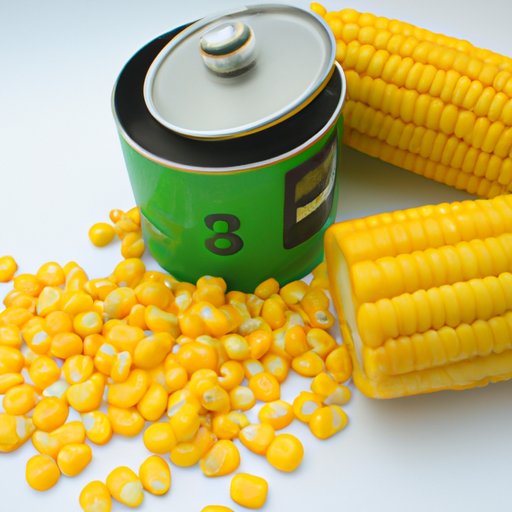
Canned corn has a relatively high glycemic index (GI), which measures how quickly blood sugar levels rise after eating a particular food. According to a study published in the British Journal of Nutrition, the GI of canned corn is 60, which is considered high compared to other foods. While eating small amounts of canned corn is unlikely to cause drastic spikes in blood sugar levels, it may be best to limit your intake if you have diabetes or are at risk of developing diabetes.
Exploring the Health Benefits of Canned Corn
Despite its high GI, canned corn does have some potential health benefits. One of the most notable benefits of canned corn is its antioxidant content. A study published in the journal Food Chemistry found that canned corn is a good source of phenolic compounds, which are powerful antioxidants that can reduce inflammation and protect against chronic diseases.
Canned corn is also a good source of fiber. According to the USDA, one cup of canned corn contains 4.2 grams of fiber, which is 17% of the daily recommended value. Fiber is important for digestion, weight management, and heart health.
Comparing the Nutritional Value of Fresh and Canned Corn
When it comes to comparing the nutritional value of fresh and canned corn, there are a few key differences to note. The most significant difference is in the macronutrient content. According to the USDA, one cup of canned corn contains 121 calories, whereas one cup of cooked fresh corn contains 132 calories. Additionally, canned corn contains more carbohydrates and less fat than fresh corn.
In terms of vitamins and minerals, there are also some key differences between fresh and canned corn. Fresh corn is higher in vitamin A, vitamin C, and potassium, whereas canned corn is higher in vitamin B6, manganese, thiamin, phosphorus, magnesium, niacin, and folate.
How to Choose the Healthiest Canned Corn Products
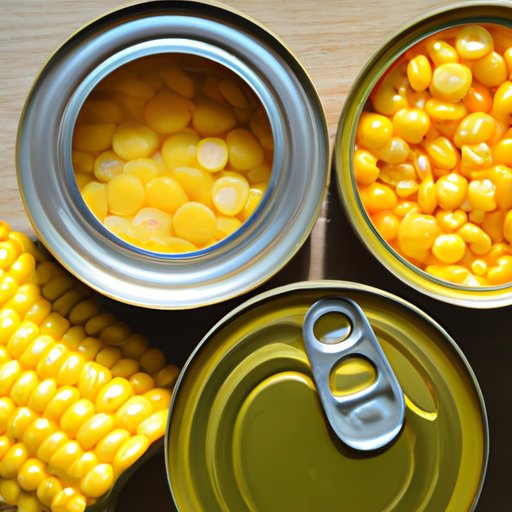
When selecting canned corn products, it’s important to take certain factors into consideration. Look for low-sodium varieties of canned corn, as they are lower in sodium than regular canned corn. If possible, opt for organic canned corn, as it has fewer additives and preservatives than conventional canned corn. Additionally, check the ingredients list for added sugars and artificial flavorings.
It’s also important to read the nutrition facts label. Look for canned corn products that are low in calories and contain no cholesterol. Additionally, choose canned corn products that are high in fiber and contain no trans fats.
Conclusion
Overall, canned corn is a convenient and affordable food option that can be part of a healthy diet. However, it is important to consider both the potential benefits and drawbacks of eating canned corn. Canned corn is a good source of essential vitamins and minerals, as well as antioxidants and fiber. However, it is often high in sodium and sugar, and has a relatively high glycemic index. When selecting canned corn products, look for low-sodium varieties and opt for organic canned corn when possible. Additionally, try to limit your intake of canned corn to once or twice a week.
(Note: Is this article not meeting your expectations? Do you have knowledge or insights to share? Unlock new opportunities and expand your reach by joining our authors team. Click Registration to join us and share your expertise with our readers.)