

Introduction
Calcium is an essential nutrient that plays a key role in human nutrition and health. But is it a vitamin or a mineral? To answer this question, it’s important to understand the definitions of both vitamins and minerals, as well as the unique properties of calcium. This article will explore these topics in depth, providing a comprehensive look at the role of calcium in overall health.
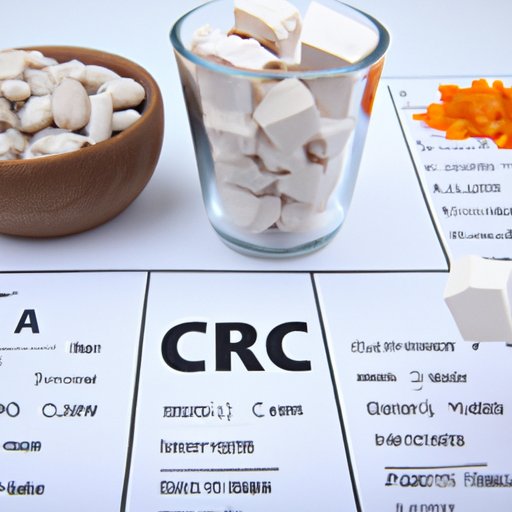
Examining the Difference Between Calcium as a Vitamin and Mineral
Vitamins and minerals are two distinct types of nutrients that play different roles in the body. Vitamins are organic compounds that are required for normal metabolic processes, and they cannot be produced by the body itself. Minerals, on the other hand, are inorganic substances that can be found in many foods. They are necessary for healthy growth and development, and they are also used as cofactors in enzyme reactions.
So how does calcium fit into these categories? Calcium is a mineral that is found naturally in food sources such as dairy products, green leafy vegetables, and nuts. It is also available in supplement form. Calcium is an essential nutrient for bone health, and it is also involved in muscle contraction, nerve transmission, and hormone secretion.
An Overview of Calcium’s Role in Nutrition and Health
Calcium plays a vital role in nutrition and health. It is essential for strong bones and teeth, and it helps maintain proper blood pressure and nerve function. Calcium also helps regulate hormones, clotting, and metabolism.
Adequate calcium intake is important for overall health. A diet that is low in calcium can lead to osteoporosis, which is a condition characterized by weak and fragile bones. Other risks associated with inadequate calcium intake include hypertension, muscle cramps, and depression.
A Comprehensive Guide to Calcium Sources
There are several ways to get adequate calcium in your diet. Food sources of calcium include dairy products such as milk, yogurt, and cheese; green leafy vegetables such as broccoli and kale; fortified cereals and juices; and nuts and seeds. Calcium is also available in supplement form, including calcium carbonate, calcium citrate, and calcium gluconate.
What is the Recommended Daily Intake for Calcium?
The Dietary Reference Intakes (DRIs) provide guidance on the amount of calcium needed for optimal health. The recommended daily allowance (RDA) for adults is 1,000 milligrams per day, although this varies depending on age and gender. Women who are pregnant or breastfeeding require more calcium than other adults.
The Benefits of Calcium for Bone Health
Calcium is essential for bone health. It helps build bones and teeth and keeps them strong. Calcium also helps regulate bone turnover, a process by which old bone cells are replaced with new ones.
Other nutrients such as magnesium, phosphorus, and vitamin D are also important for bone health. Magnesium helps absorb calcium, while phosphorus helps keep bones strong and vitamin D helps the body absorb calcium.

Exploring the Interaction Between Calcium and Other Nutrients
Calcium absorption is enhanced by certain vitamins and minerals. Vitamin C, for example, increases the absorption of calcium from food sources. Magnesium, zinc, and boron also help increase calcium absorption. On the other hand, excessive amounts of iron, zinc, and copper can inhibit calcium absorption.
Conclusion
In conclusion, calcium is a mineral that is essential for human health. It is found naturally in food sources and is also available in supplement form. Adequate calcium intake is important for overall health, and it is especially important for bone health. It is important to note that calcium absorption is enhanced by certain vitamins and minerals, and inhibited by others. With this information in mind, it is clear that calcium is indeed a mineral, not a vitamin.
Ultimately, calcium is an essential nutrient that plays a key role in nutrition and health. This article has provided an in-depth exploration of the question “Is calcium a vitamin or mineral?” Examining the differences between vitamins and minerals, understanding the benefits of calcium, and exploring the interaction between calcium and other nutrients can help ensure that you get enough of this essential nutrient.
(Note: Is this article not meeting your expectations? Do you have knowledge or insights to share? Unlock new opportunities and expand your reach by joining our authors team. Click Registration to join us and share your expertise with our readers.)