

Introduction
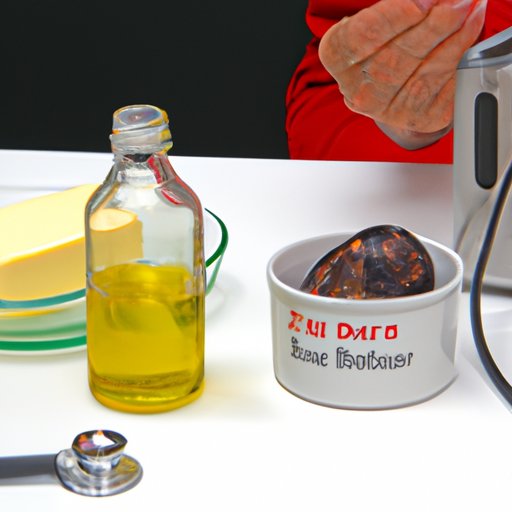
Butter and oil are two of the most popular ingredients used in cooking and baking. But it can be difficult to decipher which is healthier. In this article, we’ll compare the nutritional benefits and risks associated with butter and oil to help you make an informed decision about which is healthier for you.
Butter is made from churning cream until it thickens and separates into solid and liquid components. The solid component is what we know as butter. It’s usually sold in a block or stick form and is made up of approximately 80 percent fat. Common types of butter include salted, unsalted, and clarified.
Oil is made by pressing or extracting fats from plant or animal sources. It’s typically sold in a liquid form and consists of 100 percent fat. Common types of oil include olive, coconut, vegetable, and canola.
Comparing the Nutritional Benefits of Butter and Oil
When comparing the nutritional benefits of butter and oil, there are several factors to consider. Here, we’ll discuss the calories and fat content, vitamins and minerals, protein and carbs, and more.
Calories and Fat Content
One tablespoon of butter contains 102 calories and 12 grams of fat, while one tablespoon of oil contains 119 calories and 14 grams of fat. This means that oil is slightly higher in calories and fat than butter.
Vitamins and Minerals
Both butter and oil contain minimal amounts of vitamins and minerals. However, butter does contain small amounts of vitamin A, while oil does not. Additionally, butter contains trace amounts of calcium, magnesium, and potassium.
Protein and Carbs
Butter contains 0.1 gram of protein and 0.1 gram of carbs per tablespoon, while oil contains 0 grams of both protein and carbs. This means that butter is slightly higher in both protein and carbs than oil.
Exploring the Health Risks Associated with Butter and Oil
Now let’s take a look at some of the health risks associated with consuming butter and oil. Both contain fats, but it’s important to understand the difference between the various types of fats.
Saturated Fats
Saturated fats are solid at room temperature and are found in both butter and oil. According to the American Heart Association, saturated fats should be limited to no more than 7 percent of your total daily calorie intake. One tablespoon of butter contains 7.3 grams of saturated fat, while one tablespoon of oil contains 4.8 grams.
Trans Fats
Trans fats are created through a process called hydrogenation and are found in some processed foods. Fortunately, both butter and oil do not contain any trans fats.
Unsaturated Fats
Unsaturated fats are liquid at room temperature and are considered to be the “good” fats. One tablespoon of butter contains 3.5 grams of unsaturated fat, while one tablespoon of oil contains 10.7 grams. This means that oil is significantly higher in unsaturated fats than butter.
Examining the Impact of Butter and Oil on Cholesterol Levels
High cholesterol levels can increase your risk for heart disease, so it’s important to understand how butter and oil affect cholesterol levels. There are two main types of cholesterol: low-density lipoprotein (LDL) and high-density lipoprotein (HDL).
LDL (Low-Density Lipoprotein)
LDL is known as the “bad” cholesterol because it can build up in the walls of your arteries and increase your risk for heart disease. Studies have shown that consuming butter can raise LDL levels, while consuming oil can lower them.
HDL (High-Density Lipoprotein)
HDL is known as the “good” cholesterol because it helps remove LDL from your arteries and reduce your risk for heart disease. Studies have shown that consuming both butter and oil can raise HDL levels.
Investigating the Effects of Butter and Oil on Blood Pressure
High blood pressure can also increase your risk for heart disease, so it’s important to understand how butter and oil affect blood pressure. We’ll discuss two key factors: sodium and potassium.
Sodium
Sodium is a mineral that helps regulate fluid levels in your body. Consuming too much sodium can cause your blood pressure to rise. Fortunately, neither butter nor oil contain any significant amount of sodium.
Potassium
Potassium is a mineral that helps regulate fluid levels in your body. Consuming adequate amounts of potassium can help lower your blood pressure. One tablespoon of butter contains 24 milligrams of potassium, while one tablespoon of oil contains 8 milligrams. This means that butter is higher in potassium than oil.

Analyzing the Different Types of Fats Found in Butter and Oil
In addition to saturated, trans, and unsaturated fats, there are also two types of unsaturated fats found in butter and oil: omega-3 and omega-6.
Omega-3 Fats
Omega-3 fats are considered to be “essential” fats because our bodies need them but cannot produce them. They’re thought to play an important role in reducing inflammation and improving brain function. One tablespoon of butter contains 0.1 gram of omega-3 fats, while one tablespoon of oil contains 1.2 grams. This means that oil is significantly higher in omega-3 fats than butter.
Omega-6 Fats
Omega-6 fats are also considered to be “essential” fats because our bodies need them but cannot produce them. They’re thought to play an important role in reducing inflammation. One tablespoon of butter contains 1.1 grams of omega-6 fats, while one tablespoon of oil contains 2.4 grams. This means that oil is slightly higher in omega-6 fats than butter.

Discussing How to Incorporate Butter and Oil into a Healthy Diet
It’s important to remember that both butter and oil can be part of a healthy diet, as long as they’re consumed in moderation. Here are a few tips for incorporating them into your diet in a healthy way.
Moderation
The key to using butter and oil in a healthy way is to consume them in moderation. The American Heart Association recommends limiting your total fat intake to no more than 20-35 percent of your total daily calorie intake.
Quality
It’s also important to choose high-quality butter and oil. Look for those that are organic, non-GMO, and free of additives and preservatives.
Variety
Finally, try to incorporate a variety of different types of butter and oil into your diet. This will ensure you’re getting a wide range of essential nutrients.
Conclusion
When it comes to deciding whether butter or oil is healthier, the answer isn’t black and white. Both can be part of a healthy diet, as long as they’re consumed in moderation and you choose high-quality products. By understanding the differences between the various types of fats found in each, their impact on cholesterol levels, and how to incorporate them into a healthy diet, you can make an informed decision about which is healthier for you.
(Note: Is this article not meeting your expectations? Do you have knowledge or insights to share? Unlock new opportunities and expand your reach by joining our authors team. Click Registration to join us and share your expertise with our readers.)