
Introduction
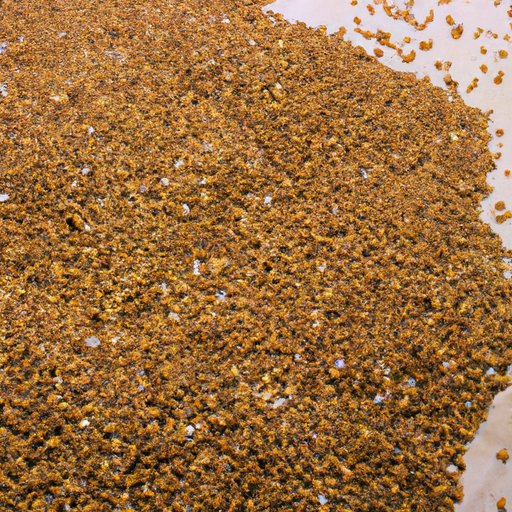
Buckwheat is a nutritious grain-like seed that has been enjoyed by people around the world for centuries. It is often referred to as a “superfood” due to its high nutritional content and potential health benefits. But is buckwheat truly healthy? In this article, we will explore the nutritional benefits of buckwheat and examine the potential health impacts of regularly eating this grain-like seed.
Overview of the Nutritional Benefits of Buckwheat
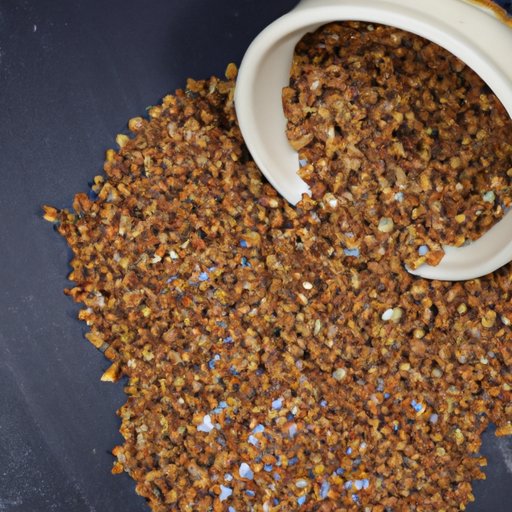
Buckwheat is an excellent source of essential nutrients, including protein, fiber, B vitamins, magnesium, and zinc. According to a study published in the journal Plant Foods for Human Nutrition, one cup of cooked buckwheat contains 6 grams of protein, 8 grams of dietary fiber, and 5 milligrams of iron. It is also a good source of vitamin E, thiamin, riboflavin, niacin, folate, and manganese.
In addition to its nutrient content, buckwheat is considered a low-glycemic food, meaning it helps stabilize blood sugar levels. This makes it a great option for people who want to maintain healthy blood sugar levels. It is also gluten-free, making it an excellent choice for those with celiac disease or gluten intolerance.
Health Benefits of Buckwheat
The high nutrient content of buckwheat makes it a beneficial addition to any diet. Studies have shown that buckwheat can help reduce cholesterol levels, improve heart health, and even protect against certain types of cancer. Additionally, its antioxidant content may help reduce inflammation, which can improve overall health. One study even found that buckwheat could be beneficial for people with type 2 diabetes, as it may help regulate blood sugar levels.
Examining the Health Impact of Eating Buckwheat Regularly
While buckwheat is generally considered a healthy food, it is important to note that there are potential health risks associated with consuming it regularly. For example, some studies have linked the consumption of buckwheat to increased risk of kidney stones. Additionally, buckwheat contains oxalates, which can interfere with the absorption of certain minerals. Therefore, it is important to eat buckwheat in moderation and consult a healthcare provider before adding it to your diet.
Comparing Buckwheat to Other Grains and Superfoods
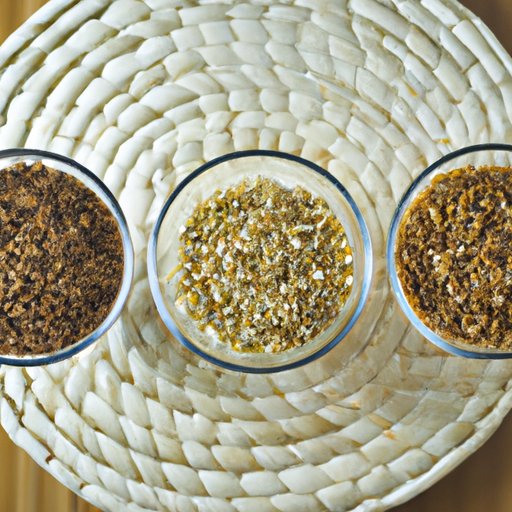
When it comes to nutrition, buckwheat stacks up favorably against other grains. For example, buckwheat contains more protein than quinoa, brown rice, and oats. It is also higher in fiber than these grains and is a better source of certain vitamins and minerals. Additionally, buckwheat is a better source of antioxidants than other superfoods like blueberries, kale, and spinach.
Exploring the Role of Buckwheat in Traditional Diets
Buckwheat has been used as a staple food in many traditional diets for centuries. In Japan, buckwheat noodles are a popular dish. In Eastern Europe, buckwheat is often eaten as porridge or added to soups. In Russia, buckwheat is a common ingredient in pancakes. These traditional dishes are rich in nutrients and offer potential health benefits.
One study found that people who ate a traditional diet rich in buckwheat had lower cholesterol levels and improved cardiovascular health. Additionally, researchers noted that buckwheat may provide protection against certain cancers. These findings suggest that traditional diets that include buckwheat may be beneficial for overall health.
Analyzing the Pros and Cons of a Buckwheat-Centric Diet
As with any food, there are both advantages and disadvantages to consuming buckwheat regularly. On the plus side, buckwheat is a nutritious food that can provide numerous health benefits. It is also gluten-free, so it may be a good choice for those with celiac disease or gluten sensitivity. Additionally, buckwheat is relatively inexpensive and easy to prepare.
On the downside, there are potential health risks associated with consuming buckwheat regularly. Additionally, buckwheat contains oxalates, which can interfere with the absorption of certain minerals. Furthermore, buckwheat is not a complete protein, so it may not be suitable for vegans or vegetarians who require more protein in their diets.
Recipes Featuring Delicious Ways to Enjoy Buckwheat
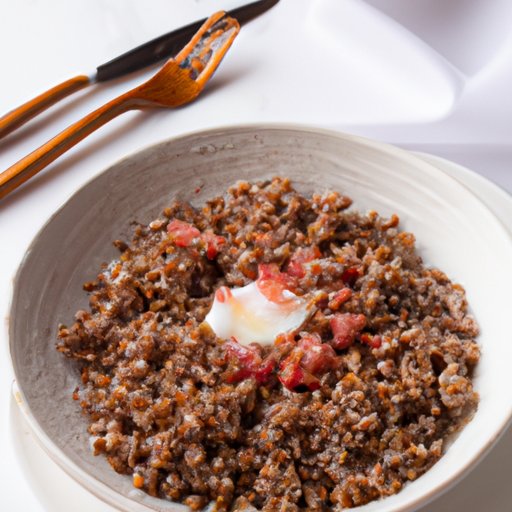
If you’re looking for new ways to enjoy buckwheat, there are plenty of delicious recipes out there. From savory buckwheat salads to sweet buckwheat pancakes, there are plenty of tasty options. Here are a few ideas to get you started:
- Savory Buckwheat Salad – Combine cooked buckwheat with roasted vegetables, nuts, and a tangy vinaigrette dressing.
- Buckwheat Porridge – Start your day with a bowl of warm buckwheat porridge topped with fresh fruit and nuts.
- Buckwheat Pancakes – Enjoy a stack of fluffy buckwheat pancakes topped with your favorite toppings.
When cooking with buckwheat, it is important to remember that it does not contain gluten, so it will not rise like wheat flour. However, it does absorb liquid quickly, so it is best to add the liquid slowly and stir until the desired consistency is reached.
Conclusion
In conclusion, buckwheat is a nutritious grain-like seed that has been enjoyed by people around the world for centuries. It is an excellent source of essential nutrients, including protein, fiber, B vitamins, magnesium, and zinc. Studies have shown that buckwheat can provide numerous health benefits, such as reducing cholesterol levels and improving heart health. While there are potential risks associated with consuming buckwheat regularly, it is generally considered a healthy food. If you’re looking for new ways to enjoy buckwheat, there are plenty of delicious recipes out there. With its high nutrient content and potential health benefits, buckwheat is a great addition to any diet.
(Note: Is this article not meeting your expectations? Do you have knowledge or insights to share? Unlock new opportunities and expand your reach by joining our authors team. Click Registration to join us and share your expertise with our readers.)