

Introduction
Black pepper is one of the most widely used spices in the world. It’s made from the dried fruit of the Piper nigrum vine, native to India and other tropical regions. This spice has been used for centuries for its flavor and medicinal properties. Today, black pepper is widely available and is often used to season dishes. But what are the health benefits of black pepper? Let’s explore.
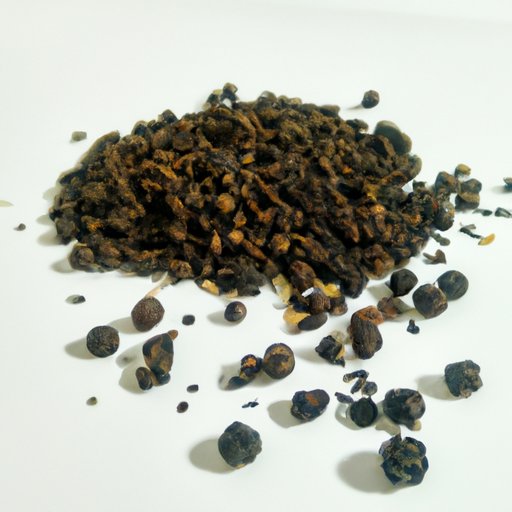
Exploring the Health Benefits of Black Pepper
Black pepper is packed with beneficial compounds that can have an array of positive impacts on our health. Here are a few of the main ones:
Antioxidant and Anti-Inflammatory Benefits
The active compound in black pepper, piperine, has powerful antioxidant and anti-inflammatory properties. According to a study published in the Journal of Medicinal Food, “Piperine exhibits strong antioxidant activity, which may be attributed to its ability to scavenge free radicals, prevent lipid peroxidation, and reduce oxidative stress.” This means piperine can help protect against cell damage and reduce inflammation in the body.
Digestive Aid
Black pepper has long been used as a digestive aid. Its active compound, piperine, helps stimulate the release of digestive juices in the stomach, which can improve digestion and nutrient absorption. According to a study published in the journal Food and Function, “Piperine supplementation increases the bioavailability of various nutraceuticals and pharmaceuticals by enhancing their absorption in the gastrointestinal tract.”
Weight Loss Aid
Black pepper may also help with weight loss. A study published in the International Journal of Obesity found that “the administration of piperine significantly reduced body weight and fat mass without altering food intake.” The researchers concluded that piperine may help reduce body fat and promote weight loss.
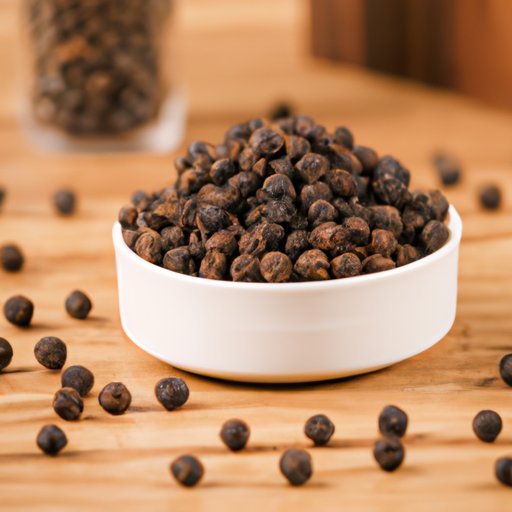
The Nutritional Profile of Black Pepper
In addition to its health benefits, black pepper has a number of essential vitamins and minerals. Here’s a look at some of the key nutrients found in black pepper:
Vitamins
Black pepper is rich in several vitamins, including vitamin K, vitamin C, vitamin E, and B-complex vitamins. These vitamins are important for a variety of bodily functions, including energy production and immune system support.
Minerals
Black pepper is also a good source of minerals like calcium, potassium, magnesium, and iron. These minerals are important for proper bone and muscle development, as well as for maintaining healthy blood pressure levels.
Calorie Content
Black pepper is low in calories, with just 1 teaspoon (2 grams) containing 7 calories. This makes it an ideal seasoning for those looking to cut down on calories.
How to Incorporate Black Pepper into Your Diet
There are many ways to incorporate black pepper into your diet. Here are a few ideas:
Adding Black Pepper to Common Dishes
Black pepper can easily be added to many dishes, including soups, salads, pasta dishes, and stir-fries. It adds a spicy kick to any meal and can help boost the flavor of otherwise bland dishes.
Spicing Up Meals with Black Pepper
Black pepper is also a great way to add some heat to meals. Try using it to spice up tacos, burritos, chili, or even grilled meats. It’s sure to give your meal a flavorful kick.
Making Your Own Black Pepper Seasoning
You can also make your own black pepper seasoning blend. Simply mix equal parts ground black pepper, garlic powder, onion powder, and paprika. This blend can be used to season a variety of dishes, from roasted vegetables to grilled fish.

The Potential Side Effects and Risks of Eating Too Much Black Pepper
Although black pepper is generally safe for most people, there are some potential side effects and risks associated with eating too much. These include:
Gastrointestinal Issues
Eating too much black pepper can lead to gastrointestinal issues like heartburn, indigestion, and stomach upset. If you experience any of these symptoms after consuming black pepper, it’s best to reduce your intake.
Allergic Reactions
Some people may be allergic to black pepper. Symptoms of an allergic reaction can include hives, itching, swelling, difficulty breathing, and dizziness. If you experience any of these symptoms, seek medical attention immediately.
Recipes Utilizing the Health Benefits of Black Pepper
Ready to start incorporating black pepper into your diet? Here are a few recipes to get you started:
Roasted Vegetables
Ingredients: 2 cups of chopped vegetables (such as carrots, potatoes, and peppers), 1 tablespoon olive oil, 1 teaspoon of black pepper, 1 teaspoon of garlic powder, and 1 teaspoon of dried herbs (such as oregano or thyme).
Instructions: Preheat oven to 400°F. Toss vegetables with olive oil, black pepper, garlic powder, and herbs. Spread vegetables onto a baking sheet and roast for 20-25 minutes, or until vegetables are tender. Enjoy!
Grilled Fish
Ingredients: 4 6-ounce filets of white fish (such as cod or halibut), 2 tablespoons olive oil, 1 teaspoon of black pepper, 1 teaspoon of garlic powder, and 1 teaspoon of dried herbs (such as oregano or thyme).
Instructions: Preheat grill to medium-high. Rub fish with olive oil, black pepper, garlic powder, and herbs. Grill for 5-7 minutes per side, or until fish is cooked through. Enjoy!
Chicken Soup
Ingredients: 1 cup of cooked chicken, 2 cups of chicken broth, 1 cup of chopped vegetables (such as carrots, celery, and onions), 1 teaspoon of black pepper, 1 teaspoon of garlic powder, and 1 teaspoon of dried herbs (such as oregano or thyme).
Instructions: In a large pot, combine chicken, broth, vegetables, black pepper, garlic powder, and herbs. Bring to a boil, then reduce heat to low and simmer for 15 minutes, or until vegetables are tender. Enjoy!
Comparing the Health Benefits of Black Pepper vs. Other Spices
It’s important to note that black pepper isn’t the only spice that offers health benefits. Here’s a brief comparison of the health benefits of black pepper compared to other popular spices:
Turmeric
Turmeric is another popular spice that offers numerous health benefits. It’s known for its anti-inflammatory and antioxidant properties, as well as its ability to support digestive health.
Cinnamon
Cinnamon is a sweet spice that has been linked to a number of health benefits, including improved blood sugar control and reduced risk of heart disease. It’s also high in antioxidants, which can help protect against cell damage.
Garlic
Garlic is a staple in many cuisines. It’s known for its antiviral, antibacterial, and antifungal properties, as well as its ability to reduce cholesterol levels and blood pressure.
Conclusion
Black pepper is a versatile spice with a range of health benefits, from antioxidant and anti-inflammatory properties to aiding digestion and weight loss. It’s also packed with essential vitamins and minerals, and is low in calories. To get the most out of black pepper, try incorporating it into your diet by adding it to common dishes, spicing up meals with it, or making your own seasoning blend. Just remember to not overdo it, as eating too much black pepper can lead to gastrointestinal issues and allergic reactions. With the right balance, black pepper can be a delicious and nutritious addition to any meal.
(Note: Is this article not meeting your expectations? Do you have knowledge or insights to share? Unlock new opportunities and expand your reach by joining our authors team. Click Registration to join us and share your expertise with our readers.)