
Introduction
Bitcoin is the world’s first decentralized digital currency. It was created in 2009 by an anonymous individual or group of individuals using the pseudonym Satoshi Nakamoto. Bitcoin is a form of cryptocurrency, which is a type of digital asset used as a medium of exchange. Unlike traditional currencies, it is not controlled by any central bank or government entity and is based on blockchain technology. This article will explore the basics of Bitcoin and cryptocurrency, its history and evolution, regulations around the world, and its potential future.
What is Bitcoin and How Does it Work?
Bitcoin is a form of digital currency that can be used to purchase goods and services. It works similarly to other forms of money, except that it is entirely virtual and exists only on computers. Transactions are recorded on a public ledger called the blockchain, which is maintained by a network of computers around the world. The blockchain ensures that all transactions are secure and cannot be tampered with.
The distinguishing feature of Bitcoin is that it is decentralized, meaning that it is not controlled by any one entity. Instead, it is powered by a network of computers around the world. This makes it resistant to manipulation and fraud. Additionally, it is fast and efficient, allowing for near-instantaneous transactions.
A History of Bitcoin: From the Early Days to Today
Bitcoin was released in 2009 as open-source software. It was the first decentralized digital currency and quickly gained traction among users. Its popularity grew exponentially over the next few years, leading to the emergence of hundreds of other cryptocurrencies. This period was known as the “cryptocurrency boom.”
Since then, Bitcoin has become increasingly popular and accepted by mainstream businesses. In 2017, the price of Bitcoin skyrocketed, reaching a peak of nearly $20,000. Since then, its value has fluctuated significantly but remains much higher than it was at its inception.
Today, Bitcoin is the most widely-used cryptocurrency, with a market capitalization of approximately $200 billion. It is accepted by a growing number of merchants and is seen as a legitimate investment option by many investors.
Exploring the Pros and Cons of Bitcoin
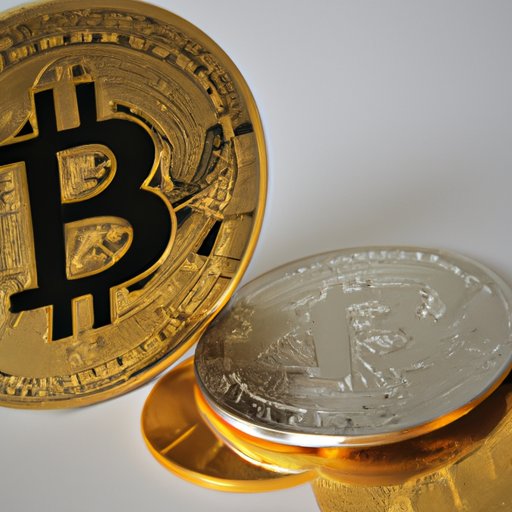
One of the main benefits of using Bitcoin is that it is fast and efficient. Transactions can take place almost instantly, without the need for lengthy paperwork or approval processes. Additionally, Bitcoin is decentralized and secure, making it difficult to manipulate or tamper with. This makes it attractive to those looking for an alternative to traditional banking systems.
However, there are some risks associated with using Bitcoin. Its price is volatile and can fluctuate significantly, which can lead to significant losses if not managed properly. Additionally, it is not backed by any government or central bank, so its value is purely speculative. Finally, it is not yet widely accepted, so it may be difficult to use in certain situations.

An Overview of Bitcoin Regulations Around the World
Regulations regarding Bitcoin vary from country to country. In the United States, the SEC recently classified Bitcoin as a commodity, which means that it is subject to certain financial regulations. In the European Union, Bitcoin is regulated as a virtual currency, which means that it is subject to anti-money laundering laws. Other countries, such as China and Russia, have banned the use of Bitcoin altogether.
The potential implications of these regulations are still unclear, but they could have a significant impact on the future of Bitcoin. For example, stricter regulations could make it more difficult for users to buy, sell, and store Bitcoin safely. On the other hand, lighter regulations could make it easier for people to access and use the currency.
How to Buy, Sell, and Store Bitcoin Safely
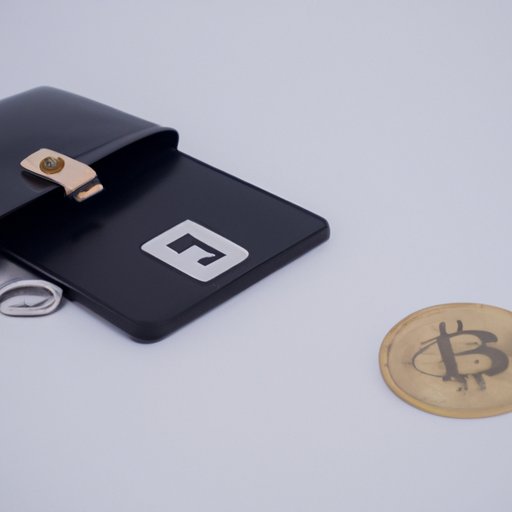
Buying and selling Bitcoin is relatively easy. All you need is a wallet, which is a digital storage space for your Bitcoin. You can purchase Bitcoin from online exchanges or from individuals. When selling, you can do so through an exchange or directly to another user. It is important to remember to always use a secure connection when buying or selling Bitcoin.
Storing Bitcoin safely is also important. The best way to do this is to use a hardware wallet, which is a physical device that stores your Bitcoin offline. This ensures that your Bitcoin is safe from hackers and other malicious actors. Alternatively, you can store Bitcoin on an online wallet, but this comes with some risk as well.
What Are the Different Types of Bitcoin Wallets?
There are several types of wallets available for storing Bitcoin. The two most popular types are hardware wallets and software wallets. Hardware wallets are physical devices that store Bitcoin offline, while software wallets are programs installed on a computer or mobile device. Each type of wallet has its own advantages and disadvantages, so it is important to research them before deciding which one to use.

Exploring the Future of Bitcoin and Cryptocurrency
The future of Bitcoin and cryptocurrency is uncertain, but there are some predictions about what might happen. Many experts believe that Bitcoin’s price will continue to rise, although there may be some fluctuations along the way. Additionally, it is likely that more countries will begin to regulate Bitcoin, which could have a positive or negative effect depending on the nature of the regulations.
The possible impact of cryptocurrency is also unclear. It could revolutionize the global economy, bringing greater efficiency and transparency. On the other hand, it could also cause disruption and instability. Only time will tell what the future holds for Bitcoin and cryptocurrency.
Conclusion
In conclusion, Bitcoin is a revolutionary form of digital currency that has changed the way we think about money. It is secure, efficient, and decentralized, making it attractive to users around the world. While there are some risks associated with using Bitcoin, its potential is undeniable. As more countries begin to regulate it, the future of Bitcoin and cryptocurrency looks brighter than ever.
(Note: Is this article not meeting your expectations? Do you have knowledge or insights to share? Unlock new opportunities and expand your reach by joining our authors team. Click Registration to join us and share your expertise with our readers.)