
Introduction
Bitcoin is a decentralized digital currency that has become increasingly popular over the last decade. While it is often referred to as a “coin,” it is important to note that bitcoin is not a physical coin. In this article, we will explore the differences between a physical coin and bitcoin, examine the potential of bitcoin as an investment tool, and analyze the pros and cons of investing in bitcoin.

Exploring the History of Bitcoin and Its Physical Coin
The origin of bitcoin dates back to 2008 when a mysterious figure known as Satoshi Nakamoto published a whitepaper titled “Bitcoin: A Peer-to-Peer Electronic Cash System”. This paper outlined a system which would enable users to securely transfer funds without relying on third-party intermediaries such as banks. The concept of bitcoin caught on quickly and by 2009, the first block of the Bitcoin blockchain was mined. Since then, the popularity of bitcoin has grown exponentially.
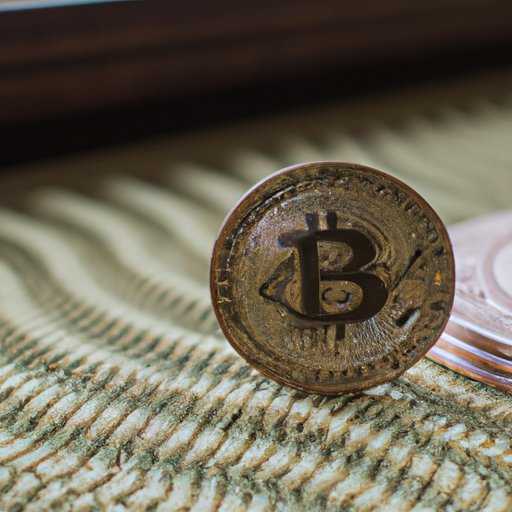
The use of physical coins in the Bitcoin system is relatively new. Physical coins are specialized tokens that represent a certain amount of bitcoin. They are typically made out of metal and feature a unique QR code or private key that can be used to access the associated bitcoin address. While physical coins are not necessary for the functioning of the Bitcoin system, they can be useful for storing and transferring small amounts of bitcoin without having to go through the process of setting up a digital wallet.
Understanding the Difference Between a Physical Coin and Bitcoin
It is important to understand the difference between a physical coin and bitcoin. A physical coin is a tangible object that can be stored and used to transfer funds. On the other hand, bitcoin is a digital asset that exists on the blockchain. While a physical coin can represent a certain amount of bitcoin, it is not the same as owning actual bitcoin. Additionally, physical coins do not have any intrinsic value, meaning that their value is solely determined by the market supply and demand.
In addition to bitcoin, there are several other types of cryptocurrencies available. These include altcoins, which are alternative cryptocurrencies; stablecoins, which are backed by fiat currencies; and utility tokens, which are used to purchase goods and services within certain platforms. Each type of cryptocurrency has its own distinct features and benefits, so it is important to research and understand the differences before investing.
Examining Bitcoin’s Role as an Investment Tool
Since its inception, bitcoin has become an attractive investment option due to its high volatility and potential for significant returns. There are several advantages to investing in bitcoin, including its relative lack of regulation, low transaction fees, and global acceptance. Additionally, since bitcoin is decentralized, it is not subject to government interference or manipulation.
However, investing in bitcoin also comes with certain risks. As with any investment, there is always the risk of losing money if the price of bitcoin decreases. Additionally, since bitcoin is still a relatively new technology, it is prone to security breaches and other technical issues. It is important to be aware of these risks before investing in bitcoin.

How Bitcoin Has Changed the Financial Landscape
The emergence of bitcoin has had a profound impact on the traditional banking system. By providing an alternative to traditional banking systems, bitcoin has enabled individuals to make secure financial transactions without the need for a third-party intermediary. Additionally, the underlying blockchain technology has the potential to revolutionize many aspects of the financial industry, from payments processing to securities trading.
Additionally, the widespread adoption of bitcoin has led to the emergence of other cryptocurrencies. These cryptocurrencies offer different features and benefits, allowing users to choose the one that best suits their needs. As a result, the cryptocurrency market has become increasingly competitive, with each currency vying for attention and market share.

Comparing Bitcoin to Other Cryptocurrencies
When comparing bitcoin to other cryptocurrencies, it is important to consider the various features and benefits each one offers. Bitcoin is the most popular cryptocurrency and has the highest market capitalization, but there are several other popular cryptocurrencies such as Ethereum, Litecoin, and Ripple. Each of these currencies has its own distinct features and benefits, so it is important to research and understand the differences before investing.
For example, Ethereum is designed to facilitate the development of decentralized applications (dApps) while Litecoin is designed to facilitate faster and cheaper payments than bitcoin. Ripple is designed to provide financial institutions with a more efficient way to send and receive payments. Each of these currencies has its own advantages and disadvantages, so it is important to carefully weigh the pros and cons before investing.
Analyzing the Pros and Cons of Investing in Bitcoin
Investing in bitcoin can be highly profitable, but there are also several risks involved. On the positive side, bitcoin is a highly volatile asset with the potential for significant returns. Additionally, since it is decentralized, it is not subject to government interference or manipulation. Additionally, the underlying blockchain technology has the potential to revolutionize many aspects of the financial industry.
On the other hand, investing in bitcoin also carries certain risks. As with any investment, there is always the risk of losing money if the price of bitcoin decreases. Additionally, since bitcoin is still a relatively new technology, it is prone to security breaches and other technical issues. Finally, the cryptocurrency market is highly competitive, and it can be difficult to predict which currencies will gain traction in the future.
Exploring the Potential of Bitcoin as a Store of Value
Despite the risks associated with investing in bitcoin, many investors are optimistic about its long-term potential as a store of value. While the price of bitcoin is highly volatile in the short term, many analysts believe that it will eventually stabilize as more people adopt it as a viable currency. Additionally, the underlying blockchain technology has the potential to revolutionize the financial industry, making it an attractive investment for those looking to capitalize on the growth of the cryptocurrency market.
Ultimately, the success of bitcoin as a store of value will depend on its ability to gain widespread adoption. This will require governments and financial institutions to recognize the legitimacy of bitcoin as a legitimate currency. Additionally, the cryptocurrency market will need to evolve to meet the demands of the evolving financial landscape.
Conclusion
In conclusion, bitcoin is not a physical coin, but rather a digital asset that exists on the blockchain. Despite the risks associated with investing in bitcoin, many investors are optimistic about its long-term potential as a store of value. As more people adopt bitcoin and the underlying blockchain technology continues to develop, it is likely that the cryptocurrency market will continue to grow and evolve.
(Note: Is this article not meeting your expectations? Do you have knowledge or insights to share? Unlock new opportunities and expand your reach by joining our authors team. Click Registration to join us and share your expertise with our readers.)