
Introduction
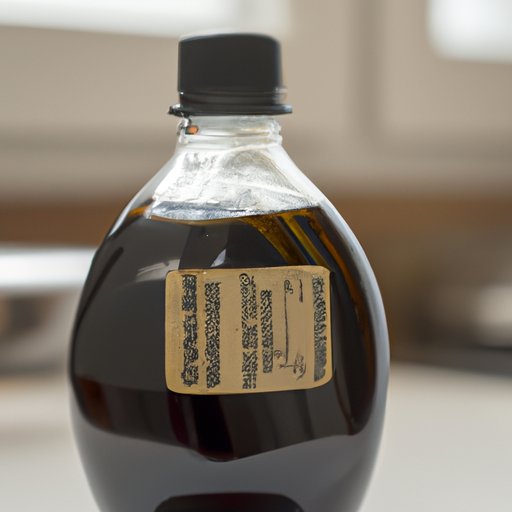
Balsamic vinegar is a dark, syrup-like condiment made from grape must and red or white wine vinegar. The traditional Italian version is aged for up to 25 years in wooden barrels, giving it a sweet and sour flavor. It’s often used as a topping for salads, meats, and vegetables, as well as a marinade for fish and poultry. This article will explore the nutritional benefits of balsamic vinegar and its potential health benefits.

Exploring the Nutritional Benefits of Balsamic Vinegar
Balsamic vinegar is low in calories and fat, but high in essential minerals such as calcium, iron, magnesium, phosphorus, and potassium. It also contains polyphenols, which are compounds that act as antioxidants in the body. These polyphenols may help protect against certain diseases, including cancer and heart disease.
A study published in the journal Nutrition Research found that balsamic vinegar is high in phenolic compounds, which have anti-inflammatory, anti-oxidant, and anti-cancer effects. Additionally, a study published in the Journal of Agricultural and Food Chemistry found that balsamic vinegar has a higher antioxidant capacity than other types of vinegar.
Is Balsamic Vinegar a Healthy Substitute for Other Types of Vinegar?
Compared to other types of vinegar, balsamic vinegar has slightly more calories and sugar, but less sodium. It also contains more polyphenols and antioxidants than other types of vinegar. For example, a study published in the journal Molecules found that balsamic vinegar had the highest levels of polyphenols and the highest antioxidant activity compared to other types of vinegar.
However, other types of vinegar, such as apple cider vinegar, may also provide health benefits. Apple cider vinegar has been shown to help regulate blood sugar levels, reduce cholesterol, and improve digestive health. It also contains acetic acid, which has been linked to weight loss.
Health Benefits of Balsamic Vinegar: A Comprehensive Guide
The potential health benefits of balsamic vinegar include weight loss, improved blood pressure, improved digestion, and healthier skin and hair. Let’s take a closer look at each of these benefits.
Potential Benefits for Weight Loss
Balsamic vinegar may help with weight loss due to its high levels of acetic acid, which has been shown to reduce body fat and increase metabolism. A study published in the journal Clinical Nutrition found that acetic acid decreased body fat and belly fat in participants who consumed it daily for 12 weeks.
In addition, balsamic vinegar may help suppress appetite, making it easier to stick to a calorie-restricted diet. A study published in the journal Appetite found that participants who consumed balsamic vinegar before a meal ate fewer calories than those who didn’t consume it.
Potential Benefits for Blood Pressure
Balsamic vinegar may help lower blood pressure due to its high levels of polyphenols. A study published in the journal Hypertension found that participants who consumed balsamic vinegar experienced a significant decrease in both systolic and diastolic blood pressure.
Potential Benefits for Digestion
Balsamic vinegar may also help improve digestion due to its probiotic content. Probiotics are beneficial bacteria that help improve gut health. A study published in the journal Applied and Environmental Microbiology found that balsamic vinegar contains two strains of probiotics, which may help improve digestive health.
Potential Benefits for Skin and Hair
Balsamic vinegar may also help improve skin and hair health due to its high levels of antioxidants. Antioxidants help protect the skin and hair from damage caused by free radicals. Additionally, balsamic vinegar may help fight acne due to its antibacterial properties.
What Are The Health Benefits of Balsamic Vinegar?
Overall, balsamic vinegar may offer numerous health benefits, including weight loss, improved blood pressure, improved digestion, and healthier skin and hair. However, further research is needed to confirm these potential benefits.

How Balsamic Vinegar Can Help with Weight Loss
As mentioned above, balsamic vinegar contains acetic acid, which has been shown to reduce body fat and belly fat. To maximize the weight-loss benefits of balsamic vinegar, it should be incorporated into a healthy diet and exercise plan. Here are some tips for doing so:
- Add balsamic vinegar to salads, dressings, and marinades.
- Add a tablespoon of balsamic vinegar to a glass of water and drink it daily.
- Use balsamic vinegar in place of other high-calorie condiments such as mayonnaise and ketchup.
Can Balsamic Vinegar Help Lower Blood Pressure?
As mentioned above, balsamic vinegar contains polyphenols, which have been shown to lower blood pressure. To maximize the blood-pressure lowering benefits of balsamic vinegar, it should be incorporated into a heart-healthy diet. Here are some tips for doing so:
- Add balsamic vinegar to salads, dressings, and marinades.
- Replace sugary drinks with a glass of water and a tablespoon of balsamic vinegar.
- Use balsamic vinegar in place of salt when cooking.

How to Incorporate Balsamic Vinegar into Your Diet
Balsamic vinegar can be easily incorporated into your diet. Here are some recipes featuring balsamic vinegar:
- Roasted Brussels sprouts with balsamic glaze.
- Grilled vegetable salad with balsamic vinaigrette.
- Baked salmon with balsamic reduction.
You can also incorporate balsamic vinegar into your daily meals. Try adding a few tablespoons to soups, stews, or sauces. You can also drizzle balsamic vinegar over roasted vegetables or grilled meats.
Conclusion
Balsamic vinegar may offer numerous health benefits, including weight loss, improved blood pressure, improved digestion, and healthier skin and hair. To maximize the health benefits of balsamic vinegar, it should be incorporated into a healthy diet and exercise plan. Balsamic vinegar can be easily incorporated into your diet by adding it to salads, dressings, marinades, soups, stews, and sauces.
While balsamic vinegar may offer numerous potential health benefits, more research is needed to confirm these benefits. If you’re considering adding balsamic vinegar to your diet, talk to your doctor first to ensure it’s safe for you.
(Note: Is this article not meeting your expectations? Do you have knowledge or insights to share? Unlock new opportunities and expand your reach by joining our authors team. Click Registration to join us and share your expertise with our readers.)