
Introduction
American cheese is a processed cheese product made from cheddar, colby, or similar cheeses. It is a bright yellow, mild-tasting cheese often used as a sandwich filler or melted in dishes like macaroni and cheese. But what does the research say about the healthiness of American cheese? In this article, we’ll look at the nutritional content of American cheese, explore its potential health benefits, investigate any potential risks, compare it to other types of cheeses, and discuss how to include it in a healthy diet.
Examining the Nutritional Content of American Cheese
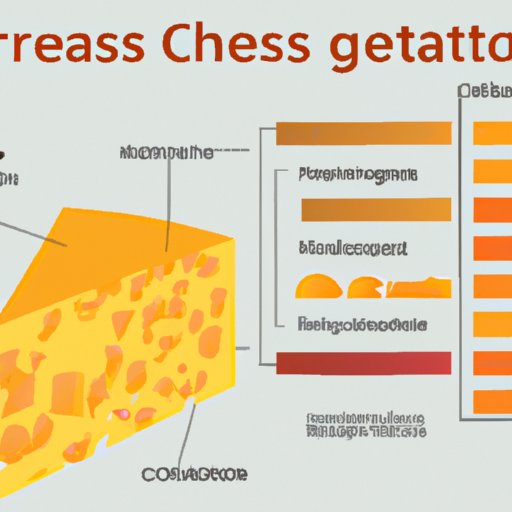
First, let’s take a look at what makes up American cheese. According to the USDA, one ounce (28g) of American cheese contains:
- Calories: 98
- Total fat: 6.9g
- Saturated fat: 4.3g
- Cholesterol: 20mg
- Sodium: 394mg
- Carbohydrates: 1.1g
- Protein: 6.6g
It also contains small amounts of vitamins A and D, calcium, and phosphorus.
Exploring the Health Benefits of American Cheese
Despite its high fat content, American cheese can still provide some health benefits.
Protein Content
One ounce of American cheese contains 6.6 grams of protein, which is a good source of energy and helps build and maintain muscle mass. According to a study published in the journal Nutrients, higher intake of dairy proteins such as those found in American cheese can help reduce body fat and improve body composition.
Calcium Content
American cheese is an excellent source of calcium, providing 20% of the daily recommended value per ounce. Calcium is essential for maintaining strong bones and teeth and for proper muscle and nerve functioning. According to a study published in the Journal of Nutrition, calcium from dairy products like American cheese may also help reduce the risk of developing type 2 diabetes.
Vitamin A Content
American cheese is also a good source of vitamin A, with 11% of the daily recommended value per ounce. Vitamin A is important for vision, skin health, and immunity. According to a study published in the journal Nutrients, higher intakes of vitamin A may also reduce the risk of certain cancers.
Investigating the Potential Risks of Eating American Cheese
While American cheese can offer some health benefits, there are also some potential risks associated with eating it.
High Fat Content
One ounce of American cheese contains 6.9 grams of fat, of which 4.3 grams are saturated. High intakes of saturated fat have been linked to an increased risk of heart disease and stroke. According to a study published in the journal Circulation, reducing saturated fat intake is associated with lower rates of cardiovascular disease.
Sodium Content
American cheese is quite high in sodium, with 394mg per ounce. High intakes of sodium have been linked to an increased risk of high blood pressure and stroke. According to a study published in the journal Hypertension, reducing dietary sodium intake can significantly reduce blood pressure.
Risk of Contaminants
Because American cheese is a processed food, it may contain additives and preservatives that can be harmful to health. According to a study published in the journal Food Chemistry, these additives and preservatives can disrupt the body’s natural processes and increase the risk of chronic diseases.
An Overview of American Cheese and its Impact on Health
So, is American cheese healthy? It depends. While there are some potential health benefits associated with American cheese, there are also some potential risks. It’s important to consider both when deciding whether or not to include it in your diet.
Pros and Cons
The pros of American cheese include its high protein and calcium content, as well as its vitamin A content. The cons include its high fat and sodium content, as well as the potential risk of contaminants.
How to Choose Healthy American Cheese
When shopping for American cheese, look for varieties with lower fat and sodium content. Also, check the label for added ingredients and preservatives and avoid any that contain artificial colors, flavors, or sweeteners.
Comparing American Cheese to Other Types of Cheeses
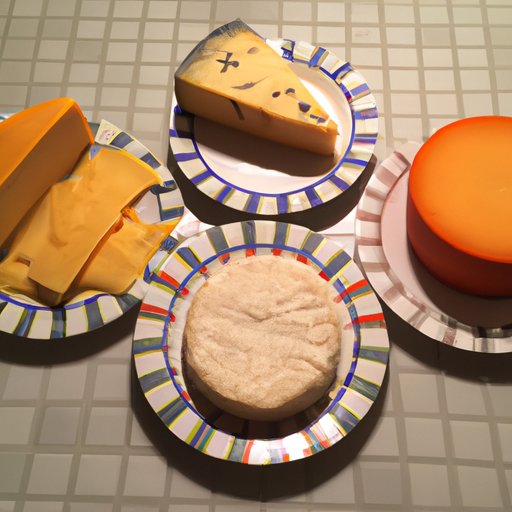
American cheese is not the only type of cheese available. Let’s take a look at how it compares to other types of cheeses.
Cottage Cheese
Cottage cheese is a type of cheese made from curds of cow’s milk. It has a mild flavor and creamy texture. One ounce of cottage cheese contains about 80 calories, 5.7 grams of protein, and 0.5 grams of fat. It is also a good source of calcium, with 11% of the daily recommended value per ounce.
Swiss Cheese
Swiss cheese is a type of cheese made from cow’s milk. It has a nutty flavor and semi-soft texture. One ounce of Swiss cheese contains about 105 calories, 7.1 grams of protein, and 7.7 grams of fat. It is also a good source of calcium, with 18% of the daily recommended value per ounce.
Mozzarella Cheese
Mozzarella cheese is a type of cheese made from cow’s milk. It has a mild flavor and soft texture. One ounce of mozzarella cheese contains about 85 calories, 6.8 grams of protein, and 6.2 grams of fat. It is also a good source of calcium, with 19% of the daily recommended value per ounce.
A Look at American Cheese’s Place in a Healthy Diet
American cheese can be included in a healthy diet, but it should be consumed in moderation. Here are a few tips for including American cheese in a healthy diet:
Moderation
Consume American cheese in moderation, as it is high in calories and fat. A serving size of one ounce is enough to get the health benefits without overdoing it.
Variety
Mix up your cheese choices by trying different types of cheeses. This will ensure you get the most nutrition possible while avoiding consuming too much of any one type of cheese.
Serving Size
Remember to stick to a single serving size of one ounce when consuming American cheese. This will help keep your calorie and fat intake in check.
Conclusion
In conclusion, American cheese can be part of a healthy diet, but it should be consumed in moderation. Its high protein and calcium content make it a good choice for those looking to boost their nutrient intake, but its high fat and sodium content mean it should be enjoyed in moderation. When choosing American cheese, opt for varieties with lower fat and sodium content, and check the label for any added ingredients or preservatives. Finally, don’t forget to mix up your cheese choices by trying different types of cheeses to get the most nutrition possible.
(Note: Is this article not meeting your expectations? Do you have knowledge or insights to share? Unlock new opportunities and expand your reach by joining our authors team. Click Registration to join us and share your expertise with our readers.)