
Introduction
Artificial intelligence (AI) is a rapidly growing technology that has the potential to transform the way businesses operate. AI can enable businesses to automate tasks, improve customer experiences, and gain valuable insights from data. But one question that many businesses have is whether or not AI is expensive. In this article, we will explore the cost of AI versus traditional solutions, the factors that impact the cost of AI, and tips for getting the most value from your AI investment.
Pros and Cons of Investing in AI
When considering investing in AI, it’s important to weigh the benefits and challenges. On the plus side, AI can help businesses increase efficiency, reduce costs, and gain competitive advantages. According to a study by Accenture, “AI-powered companies are 26 percent more profitable than their competitors.” Additionally, AI can help businesses make better decisions, as it can quickly analyze large amounts of data and identify patterns that may be difficult for humans to detect.
However, there are also some challenges associated with investing in AI. Developing AI solutions requires significant resources and expertise, which can be costly. Additionally, AI algorithms can be complex and require frequent updates to remain effective. For these reasons, AI investments require careful consideration and planning.
What Factors Impact the Cost of AI?
The cost of AI depends on several factors, including hardware and software costs, data storage and processing costs, training costs, and maintenance and support costs.
Hardware and software costs include any hardware devices that are needed to run AI algorithms, such as servers, GPUs, and CPUs. Software costs include any licenses and software tools that are necessary for developing and running AI applications.
Data storage and processing costs refer to the costs associated with storing and processing large amounts of data. This includes the cost of data storage infrastructure, such as cloud storage, as well as the cost of computing power for processing the data.
Training costs refer to the cost of training AI models. This involves labeling data, creating training datasets, and using machine learning algorithms to train the models.
Finally, maintenance and support costs refer to the cost of keeping AI systems up to date and running smoothly. This includes costs associated with bug fixes, security updates, and performance optimizations.
A Guide to Selecting an AI Solution for Your Business
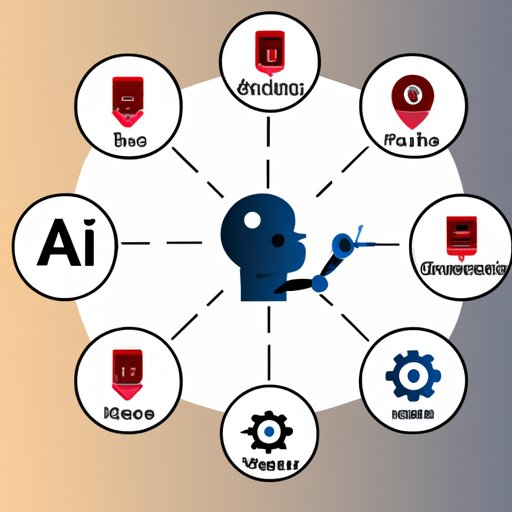
When selecting an AI solution for your business, it’s important to consider your needs and evaluate potential solutions based on cost and return on investment (ROI). To start, you should identify the problems that your business is trying to solve and determine what type of AI solution is best suited to address them. Then, you should look at different solutions and compare their features and costs. Finally, you should calculate the ROI of each solution to determine which one will provide the most value for your business.
How to Get the Most Value from Your AI Investment
Once you’ve selected an AI solution for your business, there are several steps you can take to ensure you get the most value from your investment. First, you should understand the AI pricing model, which typically involves upfront costs for hardware and software, along with ongoing costs for data storage and processing, training, and maintenance and support.
Second, you should look for free or low-cost options when possible. For example, you can use open source AI solutions, leverage cloud-based services, or purchase off-the-shelf AI solutions. These can help you reduce costs while still getting the features and functionality you need.
Finally, you should develop a long-term strategy for leveraging AI. This includes setting clear goals, making sure you have the right team in place, and investing in continuous learning and improvement.
AI Solutions That Fit Any Budget
There are a variety of AI solutions available that can fit any budget. Here are a few examples:
Free or Open Source AI Solutions: There are a number of open source AI solutions available, such as TensorFlow and Apache Mahout. These solutions are free to use and can help you get started with AI without a large upfront investment.
Low-Cost Cloud-Based Solutions: Many cloud-based providers offer AI solutions at a fraction of the cost of traditional solutions. For example, Amazon Web Services and Microsoft Azure both offer AI solutions that can be used for a low monthly fee.
Off-the-Shelf AI Solutions: There are also a number of off-the-shelf AI solutions available, such as IBM Watson and Google Cloud Platform. These solutions are ready to deploy and can provide powerful AI capabilities at an affordable price.
Conclusion
In conclusion, AI can be expensive, but it doesn’t have to be. By understanding the cost factors associated with AI and taking advantage of free or low-cost options, businesses can find an AI solution that fits their budget. Additionally, businesses should develop a long-term strategy for leveraging AI to ensure they get the most value from their investment.
By following these guidelines, businesses can confidently invest in AI and reap the rewards of this powerful technology.
(Note: Is this article not meeting your expectations? Do you have knowledge or insights to share? Unlock new opportunities and expand your reach by joining our authors team. Click Registration to join us and share your expertise with our readers.)