
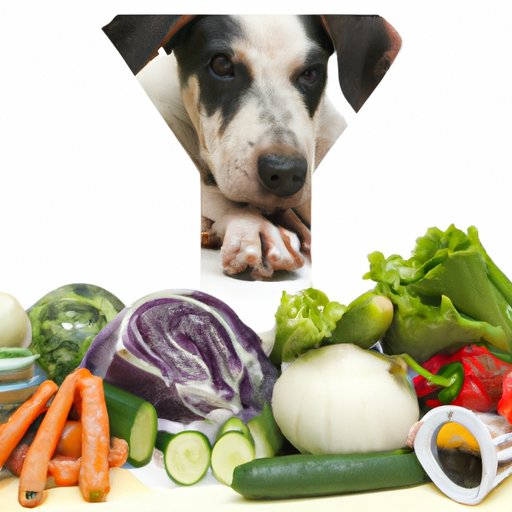

Introduction: Overview of a Raw Diet for Dogs
A raw diet for dogs is based on the same principles as a raw diet for humans – consuming uncooked, unprocessed, whole foods. The idea is that by consuming these unprocessed, natural ingredients, dogs can benefit from all the beneficial nutrients they contain. This type of diet typically includes muscle meat, organs, bones, vegetables, fruits, and other whole foods.

The purpose of the article
This article aims to explore the potential benefits and risks associated with feeding a raw diet to dogs. It will examine the nutritional needs of dogs, the potential pros and cons of a raw diet, the cost and safety considerations, and the opinions of veterinarians.
Analyzing Nutritional Needs of Dogs and How a Raw Diet Meets Them
Dogs have specific nutritional needs in order to stay healthy. According to the American Kennel Club, “Dogs require six basic nutrients: water, protein, fat, carbohydrates, minerals, and vitamins” 1. A raw diet for dogs can provide these essential nutrients through unprocessed, wholesome ingredients.
Essential nutrients needed by dogs
Protein is an essential nutrient for dogs and is necessary for muscle growth, maintenance and repair. It can be found in meats, fish, dairy products, eggs, and legumes. Fat is also important for a dog’s health, providing energy and helping to absorb certain vitamins. Sources of animal-based fats include fish oil, eggs, and organ meats. Carbohydrates provide energy and dietary fiber, and can be found in grains, fruits, and vegetables. Minerals are essential for many bodily functions, and can be found in leafy greens, nuts, and legumes. Vitamins are essential for many bodily processes and can be found in various sources such as fruits, vegetables, and fortified foods.
Benefits of a raw diet in meeting these needs
Raw diets have several advantages over cooked or processed diets when it comes to meeting the nutritional needs of dogs. According to veterinarian Dr. Karen Becker, “Raw food diets contain higher levels of enzymes, vitamins and minerals than commercial pet foods.” 2 These natural ingredients provide pets with the essential nutrients they need without any added preservatives or fillers. Additionally, raw diets are usually lower in carbohydrates than processed diets, which can be beneficial for dogs who are prone to obesity or diabetes.
Examining the Potential Benefits of a Raw Diet for Dogs
There are numerous potential benefits of feeding a raw diet to dogs.
Improved digestion
One potential benefit of a raw diet is improved digestion. This is due to the fact that raw foods contain more fiber than processed foods, which helps to keep a dog’s digestive system running smoothly. Additionally, raw foods are easier to digest than processed foods, which can help to reduce gastrointestinal issues such as gas, bloating, and diarrhea.
Increased energy levels
Feeding a raw diet to dogs can also lead to increased energy levels. This is because raw diets are typically higher in protein and fat than processed diets, which can provide dogs with the energy they need to stay active and alert. Additionally, raw diets are usually lower in carbohydrates, which can help to prevent spikes in blood sugar levels that can lead to fatigue and sluggishness.
Better dental health
Another potential benefit of a raw diet for dogs is improved dental health. This is because raw diets contain bones, which can help to scrape plaque and tartar off a dog’s teeth. Additionally, the chewing motion required to eat raw bones can help to strengthen a dog’s jaw muscles and promote overall dental health.

Exploring Potential Risks of a Raw Diet for Dogs
Although there are potential benefits of feeding a raw diet to dogs, there are also some potential risks that should be considered.
Potential for bacterial contamination
One potential risk of feeding a raw diet to dogs is the potential for bacterial contamination. This is due to the fact that raw foods may contain bacteria such as E. coli or Salmonella, which can cause serious illnesses in both humans and animals. For this reason, it is important to take proper safety measures when feeding a raw diet to dogs, such as washing hands and surfaces after handling raw food and thoroughly cooking any raw meat before feeding it to a dog.
Risk of nutritional deficiencies
Another potential risk of feeding a raw diet to dogs is the risk of nutritional deficiencies. This is because it can be difficult to ensure that a raw diet provides all the essential nutrients a dog needs. It is important to consult with a veterinarian before starting a raw diet to ensure that it is nutritionally balanced and complete.
Risk of choking or other hazards
Finally, there is a risk of choking or other hazards when feeding a raw diet to dogs. This is because raw bones can splinter and cause obstruction in a dog’s throat or digestive tract. For this reason, it is important to monitor dogs while they are eating raw bones and to only feed them bones that are large enough that they cannot swallow them whole.
Investigating the Safety and Cost of Feeding a Raw Diet to Dogs
When considering whether to feed a raw diet to dogs, it is important to consider the safety and cost of doing so.
Types of food available for a raw diet
There are several types of food available for a raw diet, including fresh meat, frozen meat, freeze-dried meals, and dehydrated meals. Fresh meat is the most natural option, but it must be stored and handled properly to avoid bacterial contamination. Frozen meat is also a good option, but it must be thawed safely before feeding it to a dog. Freeze-dried and dehydrated meals are convenient options, but they tend to be more expensive than fresh or frozen options.
Cost comparison between raw and commercial diets
The cost of a raw diet for dogs can vary depending on the type of food being fed. Generally speaking, fresh and frozen meats tend to be the least expensive options, while freeze-dried and dehydrated meals tend to be the most expensive. However, it is important to note that raw diets are typically more expensive than commercial diets, as they require more time and effort to prepare.
Proper safety measures when feeding a raw diet
When feeding a raw diet to dogs, it is important to take proper safety measures to avoid potential risks. This includes washing hands and surfaces after handling raw food, thoroughly cooking any raw meat before feeding it to a dog, and monitoring dogs while they are eating raw bones. Additionally, it is important to consult with a veterinarian before starting a raw diet to ensure that it is nutritionally balanced and complete.

Examining Opinions of Veterinarians on Raw Diets for Dogs
Veterinarians have varying opinions on the benefits and risks of feeding a raw diet to dogs.
Pros and cons of raw diets according to veterinarians
According to veterinarian Dr. Mark Russak, “A raw diet has some benefits, such as providing an animal with natural, unprocessed foods that are rich in nutrients. However, there are also potential risks, such as the potential for bacterial contamination.” 3 Other veterinarians agree that raw diets can provide numerous benefits, but caution that there are potential risks that must be taken into consideration.
Common concerns of veterinarians about raw diets
Some of the most common concerns of veterinarians about raw diets include the potential for bacterial contamination, the risk of nutritional deficiencies, and the risk of choking or other hazards. For these reasons, it is important to take proper safety measures when feeding a raw diet to dogs and to consult with a veterinarian before starting a raw diet to ensure that it is nutritionally balanced and complete.
Conclusion:
In conclusion, feeding a raw diet to dogs can potentially provide numerous health benefits, such as improved digestion, increased energy levels, and better dental health. However, there are also potential risks associated with raw diets, such as the potential for bacterial contamination, the risk of nutritional deficiencies, and the risk of choking or other hazards. When considering whether to feed a raw diet to dogs, it is important to consider the safety and cost of doing so. Additionally, it is important to consult with a veterinarian before starting a raw diet to ensure that it is nutritionally balanced and complete.
Summary of key points
This article explored the potential benefits and risks associated with feeding a raw diet to dogs. It examined the nutritional needs of dogs, the potential pros and cons of a raw diet, the cost and safety considerations, and the opinions of veterinarians.
Recommendations for further research
Further research is needed to determine the long-term effects of a raw diet on a dog’s health. Additionally, more research is needed to evaluate the safety and efficacy of different types of raw diets.
1 https://www.akc.org/expert-advice/nutrition/what-are-the-nutritional-requirements-for-dogs/
2https://healthypets.mercola.com/sites/healthypets/archive/2013/03/10/raw-diet-for-pets.aspx
3https://www.petmd.
(Note: Is this article not meeting your expectations? Do you have knowledge or insights to share? Unlock new opportunities and expand your reach by joining our authors team. Click Registration to join us and share your expertise with our readers.)