

Introduction
Starting a business is an exciting prospect that can bring you financial security, flexibility, and the opportunity to pursue a passion. It’s no small undertaking, however, and requires planning, research, and dedication. This article will provide an overview of the essential steps to starting a business, the potential benefits and challenges, and important resources to help you get started.
Benefits of Starting a Business
There are many reasons why people choose to start their own business. The most common motivations include financial security, flexibility, and the chance to pursue a passion or hobby. Let’s take a look at each of these benefits in more detail.
Financial Security
For many entrepreneurs, the primary motivation for starting a business is to achieve financial security. Owning a business can provide a steady income and the potential for growth. Depending on the success of the business, it can also provide financial security for future generations.
Flexibility
When you own a business, you have the flexibility to set your own hours, choose who you work with, and decide how you spend your time. This freedom can be incredibly liberating and satisfying.
Opportunity to Pursue a Passion
For some entrepreneurs, the biggest benefit of starting a business is the chance to turn a hobby or passion into a career. Being able to make a living doing something you love can be an incredibly rewarding experience.
Challenges of Starting a Business
It’s important to be aware of the potential challenges you may face when starting a business. These can include difficulty finding financing, a large time commitment, and the risk involved in launching a venture.
Financing
Finding the money to start a business can be one of the biggest obstacles for aspiring entrepreneurs. Whether you need to buy equipment or hire employees, having access to capital is essential for launching a successful venture.
Time Commitment
Running a business takes a lot of time and dedication. You’ll need to be prepared to put in long hours and make sacrifices to ensure your venture is successful.
Risk Involved
Starting a business is a risky endeavor. There’s always the chance that your venture could fail, so it’s important to be aware of the risks before you begin.
Personal Experience with Starting a Business
One of the best ways to gain insight into starting a business is to hear from someone who has gone through the process. If you know someone who has started their own business, consider asking them to share their story with you. They can provide invaluable advice and insight that can help you prepare for the journey ahead.
Important Resources for Starting a Business
When you’re just starting out, it can be helpful to draw on the knowledge and experience of others. There are numerous resources available that can provide valuable guidance and support during the process of starting a business.
Government Agencies
The government offers a range of resources for businesses, including information about taxes, licenses, and regulations. Local government agencies can provide tailored advice and assistance for businesses in their area.
Local Business Organizations
Many local organizations offer resources and support to businesses in their community. They can provide advice, training, and networking opportunities that can be invaluable for new entrepreneurs.
Online Courses
In addition to in-person resources, there are a number of online courses available that can provide an introduction to the basics of starting a business. These can be a great way to get up to speed quickly.
Mentors
Having a mentor can be an invaluable resource for entrepreneurs. A mentor can provide advice, feedback, and support throughout the process of starting a business.
Types of Businesses and How to Choose the Right One
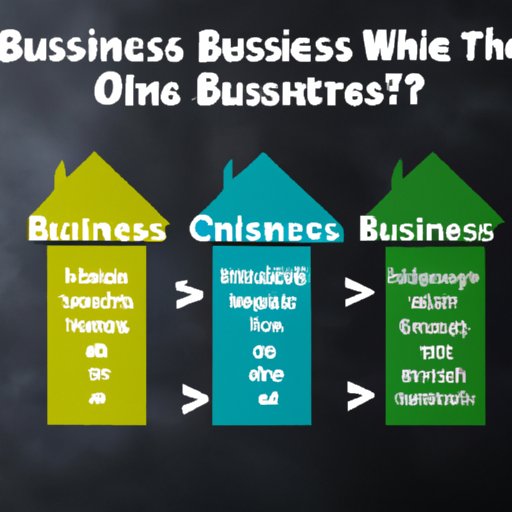
Before launching your business, it’s important to consider the different types of businesses available and decide which one is right for you. The most common types of businesses are sole proprietorships, partnerships, corporations, and limited liability companies (LLCs). Each type has its own advantages and disadvantages, so it’s important to do your research and choose the one that best suits your needs.
Sole Proprietorship
A sole proprietorship is the simplest and least expensive business structure. This type of business is owned and operated by a single person, who is personally responsible for all liabilities and debts incurred by the business.
Partnership
A partnership is similar to a sole proprietorship, but it’s owned by two or more people. All partners are equally responsible for any debts and liabilities incurred by the business.
Corporation
A corporation is a separate legal entity owned by shareholders. The owners of the corporation are not personally liable for the company’s debts and liabilities.
Limited Liability Company (LLC)
An LLC is a hybrid structure that combines the limited liability of a corporation with the tax advantages of a partnership. Owners of an LLC are not personally liable for the company’s debts and liabilities.
Consider Your Goals, Skills, and Resources
Before choosing a business structure, it’s important to consider your goals, skills, and resources. Think about what kind of business you want to run, how much time and money you’re willing to invest, and what kind of liability protection you need.
Financing Options for Starting a Business
Once you’ve chosen the type of business you want to start, it’s time to consider how you’ll finance it. There are a number of financing options available, including bank loans, crowdfunding, grants, and investors.
Bank Loans
Banks are a popular option for financing a business. They typically offer low interest rates and flexible repayment terms, but they may require collateral or a personal guarantee.
Crowdfunding
Crowdfunding is a popular option for entrepreneurs looking to raise capital. With crowdfunding, you can solicit donations from individuals and organizations in exchange for equity in your business.
Grants
Grants can be a great source of funding for entrepreneurs. Many local, state, and federal governments offer grants specifically for small businesses.
Investors
Investors can provide capital in exchange for equity in your business. They may also offer valuable advice and industry connections that can help you succeed.
Conclusion
Starting a business can be a rewarding experience, but it’s important to understand the process and be prepared for the challenges ahead. This article provided an overview of the essential steps, benefits, and resources for getting your venture off the ground. From finding the right business structure to securing financing, there are a number of factors to consider when starting a business. As long as you’re prepared and have access to the necessary resources, you’ll be well on your way to achieving success.
(Note: Is this article not meeting your expectations? Do you have knowledge or insights to share? Unlock new opportunities and expand your reach by joining our authors team. Click Registration to join us and share your expertise with our readers.)