
Introduction
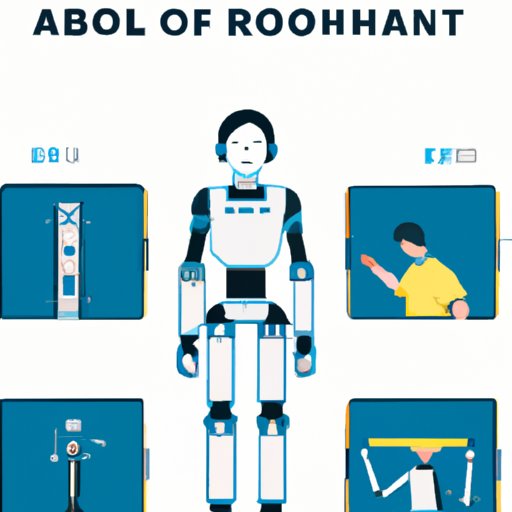
Artificial intelligence (AI) is a rapidly growing technology that has been transforming the global workforce in recent years. From automation of low-skill jobs to the introduction of high-skill roles, AI has had a major impact on the way we do business. In this article, we’ll explore the impact of AI on jobs and the changing dynamics of the workforce in the digital age, as well as the growing need for human-robot collaboration and the new opportunities created by AI.
Impact on Low-Skill and High-Skill Jobs
One of the most visible impacts of AI on the job market is the automation of low-skill jobs. According to a report from McKinsey Global Institute, “By 2030, up to one-third of the global workforce could be displaced by automation, with low-skill workers particularly at risk.” This means that many jobs that were traditionally done by humans could soon be done by robots, such as customer service, data entry, and repetitive manufacturing tasks. These types of jobs are particularly vulnerable to automation because they can be easily broken down into simple, rule-based tasks that can be automated using AI algorithms.
At the same time, AI is also replacing some high-skill jobs. For example, AI-driven legal research tools are now being used to automate parts of the legal profession, and AI-powered medical diagnosis systems are being developed to replace doctors in certain diagnostic tasks. While these types of jobs are still relatively rare, they are becoming more common as AI technology continues to improve.

Shifting Workforce Dynamics in the Digital Age
As AI continues to reshape the job market, it’s also changing the way employers think about hiring and retaining employees. As jobs become increasingly automated, employers will need to focus on finding qualified candidates who have the skillsets needed to work alongside robots and AI-driven technologies. This means that traditional job requirements and skill sets will need to evolve to meet the changing demands of the digital age.
To stay ahead of the curve, individuals will need to invest in developing the skills necessary to work alongside robots and AI-driven technologies. This could include learning coding languages, understanding AI algorithms, or mastering robotics engineering. Those who can demonstrate a mastery of these skills will be in high demand in the future job market.
The Growing Need for Human-Robot Collaboration
As AI becomes more integrated into the workplace, it’s essential that businesses understand the benefits of collaborating with robots and AI-driven technologies. Working alongside robots can help businesses increase productivity, reduce costs, and improve safety. For example, robots can be used to automate dangerous or tedious tasks, freeing up human workers to focus on higher-value tasks.
At the same time, there are also challenges associated with integrating robots into the workplace. One of the biggest challenges is making sure that robots and humans can work together safely and effectively. This requires careful planning and implementation, as well as a clear understanding of the potential risks associated with working alongside robots.

New Opportunities Created by AI
While AI is often seen as a threat to jobs, it can also create new opportunities for those willing to adapt to the changing job market. As AI becomes more advanced, it will open up a range of new possibilities, from creating new roles and positions to providing access to previously inaccessible markets. For example, AI-driven analytics tools can be used to identify new trends and opportunities in the market, allowing companies to capitalize on them quickly.
AI can also be used to automate mundane tasks, freeing up employees to focus on more creative and strategic tasks. This could open up a range of new positions, such as AI strategists, data scientists, and robot engineers. All of these new roles could provide an exciting opportunity for those looking to break into the AI industry.
Rethinking Education and Training Systems
As AI continues to reshape the job market, it’s also important to consider the implications for education and training systems. To ensure that individuals have the skillsets necessary to work alongside robots and AI-driven technologies, education systems will need to be adapted to meet the changing needs of the workforce. This could include introducing courses on coding, AI algorithms, and robotics engineering, as well as providing training opportunities for those already in the workforce.
It’s also important to ensure that individuals have the right mindset when it comes to working with robots and AI-driven technologies. Individuals must be willing to embrace change and be open to learning new skills in order to remain competitive in the job market.

Ethical Implications of Automation and AI
Finally, it’s important to consider the ethical implications of automation and AI. As AI becomes more advanced, there is a potential risk that robots and AI-driven technologies could be used to replace humans in areas where they are not suitable, such as in healthcare or education. It’s therefore essential that businesses and governments ensure that AI is being used ethically and responsibly.
To ensure this, it’s important to have clear regulations and guidelines for the use of AI, as well as robust systems in place to monitor and evaluate its use. It’s also essential to provide training and education on the ethical use of AI, so that individuals understand its potential risks and benefits.
Conclusion
In conclusion, AI is having a major impact on the job market, from automation of low-skill jobs to the introduction of high-skill roles. This means that businesses and individuals must be prepared to adapt to the changing dynamics of the workforce in the digital age. This could involve investing in skillsets to work alongside AI, embracing new opportunities created by AI, and ensuring the ethical use of AI.
(Note: Is this article not meeting your expectations? Do you have knowledge or insights to share? Unlock new opportunities and expand your reach by joining our authors team. Click Registration to join us and share your expertise with our readers.)