
Introduction
Vacations are an important part of life, allowing us to explore and relax. But when it comes to taking a two-week break, what happens to our beloved houseplants? Do we just let them wither in the sun? Fortunately, there are many ways to ensure that our plants stay healthy and vibrant while we’re away. In this article, we’ll explore different strategies for keeping your plants watered while on vacation.
Invest in a Self-Watering System
A self-watering system is a great way to make sure your plants get the hydration they need while you’re away. These systems provide a steady flow of water to your plants, so you don’t have to worry about checking on them every day. Plus, they’re easy to set up and maintain.
Benefits of Self-Watering Systems
Self-watering systems help to conserve water, since they only release as much water as the plants need. This means you can save money on your water bill, since you won’t be wasting any water. Additionally, self-watering systems reduce the risk of overwatering, which can cause root rot and other problems. Finally, they are easy to use and require minimal maintenance.
Types of Self-Watering Systems
There are several types of self-watering systems available, including wicking beds, capillary mats, sub-irrigated planters, and soaker hoses. Each system has its own advantages and disadvantages, so it’s important to research each one to find the best option for your plants.
Cost of Self-Watering Systems
The cost of a self-watering system varies depending on the type and size of the system. Wicking beds and capillary mats tend to be the most affordable options, while sub-irrigated planters and soaker hoses are more expensive. However, these systems can save you money in the long run, since they help to conserve water.

Ask a Neighbor or Friend to Water Your Plants
If you don’t want to invest in a self-watering system, you can always ask a neighbor or friend to water your plants while you’re away. This is a great way to ensure that your plants receive the hydration they need, without having to spend any money.
Identifying a Reliable Person
When choosing someone to water your plants, it’s important to find someone reliable and trustworthy. Ask your friends and neighbors if they’d be willing to help you out, and make sure to explain exactly what needs to be done. You might even offer to pay them for their time and effort.
Making Arrangements with the Person
Once you’ve identified a reliable person, it’s important to make arrangements with them. Explain what plants need to be watered, how often they should be watered, and how much water they should receive. Make sure to check in with them throughout your trip to ensure that everything is going smoothly.
Providing Instructions
Before you leave, be sure to provide clear instructions on how to water your plants. Provide a detailed list of instructions, as well as contact information in case of any issues. You might also consider leaving a gift or thank-you note to show your appreciation for their help.

Install a Drip Irrigation System
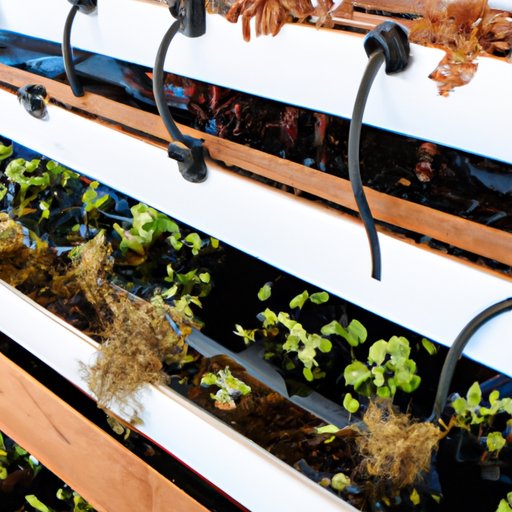
Another option for keeping your plants watered while on vacation is to install a drip irrigation system. This type of system delivers a slow, steady stream of water directly to the roots of the plants, ensuring they get the hydration they need without having to be checked on daily.
Benefits of a Drip Irrigation System
Drip irrigation systems are beneficial because they deliver the right amount of water directly to the plant’s roots. This helps to ensure that the plants receive the hydration they need, without any wasted water. Additionally, these systems are relatively easy to install and require minimal maintenance.
Types of Drip Irrigation Systems
There are several types of drip irrigation systems available, including overhead, subsurface, and soaker hose systems. Each system has its own advantages and disadvantages, so it’s important to research each one to find the best option for your plants.
Cost of Drip Irrigation Systems
The cost of a drip irrigation system varies depending on the type and size of the system. Overhead systems tend to be the most expensive, while subsurface and soaker hose systems are more affordable. However, these systems can save you money in the long run, since they help to conserve water.
Place Plants in a Tray of Water
If you’re looking for a low-cost way to keep your plants watered while you’re away, you can always place them in a tray of water. This method is simple and effective, and requires minimal setup.
Type of Containers Needed
For this method, you’ll need a shallow tray or container that’s large enough to fit all of your plants. Make sure to choose a container that’s made from a material that won’t absorb water, such as plastic or metal. Additionally, the container should have holes in the bottom to allow excess water to drain away.
Amount of Water to Use
Fill the container with enough water to cover the bottom of the tray. The plants should be able to access the water without being completely submerged. If the water level gets too low, simply add more water.
Frequency of Water Changes
It’s important to change the water in the tray regularly, as it can become stagnant over time. Aim to change the water at least once a week, or more often if necessary. Additionally, make sure to clean the tray after each water change to prevent the buildup of bacteria and algae.

Group Plants Together for Maximum Moisture Retention
Another strategy for keeping your plants hydrated while on vacation is to group them together. When plants are grouped together, they create a microclimate that helps to retain moisture and humidity. This makes it easier for the plants to access the water they need, without having to be watered as frequently.
Benefits of Grouping Plants
Grouping plants together helps to reduce water loss, since the plants are able to access the moisture in the air. Additionally, it helps to create a more stable environment for the plants, since the temperature and humidity levels remain consistent. Finally, grouping plants together also helps to protect them from pests, since they’re able to access food and shelter in the same area.
Types of Plants to Group
When grouping plants together, it’s important to choose plants that have similar water and light requirements. For example, cacti and succulents can be grouped together, since they both prefer dry conditions. Additionally, you can group plants with different heights and shapes to create a more visually appealing display.
Plant Care Tips
When grouping plants together, it’s important to ensure that they have adequate drainage. Make sure to use a potting mix that contains peat moss or perlite, as these materials help to improve drainage and aeration. Additionally, be sure to water the plants thoroughly before grouping them together, as this will help to keep them hydrated.
Conclusion
Taking a two-week vacation doesn’t have to mean sacrificing your beloved houseplants. With the right strategies, you can keep your plants healthy and hydrated while you’re away. Invest in a self-watering system, ask a neighbor or friend to water your plants, install a drip irrigation system, place plants in a tray of water, and group plants together for maximum moisture retention. With these tips and tricks for plant care, you can rest assured that your plants will be taken care of while you’re away.
(Note: Is this article not meeting your expectations? Do you have knowledge or insights to share? Unlock new opportunities and expand your reach by joining our authors team. Click Registration to join us and share your expertise with our readers.)