
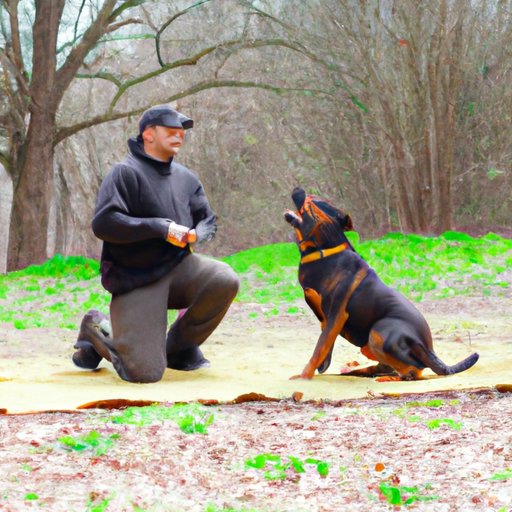
Introduction
Aggression is a common problem among dogs. It can manifest itself in a variety of ways, including growling, barking, snapping, and even biting. While it’s normal for dogs to show some signs of aggression, it’s important to understand why they do this and learn how to prevent it. This article will cover the basics of understanding and preventing aggressive behavior in dogs.

Establish a Consistent Routine for Feeding and Exercise
One of the most effective ways to prevent aggression in dogs is to establish a consistent routine. Dogs thrive on structure and predictability, so having a regular schedule for meals, walks, and other activities will help them feel secure and less likely to act out. A consistent routine also helps to reduce stress levels in dogs, which can lead to more aggressive behaviors.
When creating a routine for your dog, it’s important to be flexible and adjust as needed. For example, if you’re going to be away from home for an extended period of time, make sure to arrange for someone else to take care of your dog’s needs while you’re gone. Also, try to keep the same feeding times and walking schedule each day, as this will help your dog stay in a routine.

Use Positive Reinforcement to Reward Desirable Behavior
Positive reinforcement is one of the most effective techniques for training dogs. This involves rewarding desirable behaviors with treats or praise, while ignoring undesirable behaviors. When used correctly, positive reinforcement can help to reinforce good behavior and discourage unwanted behavior. It’s important to remember that consistency is key when using positive reinforcement, as dogs need to understand what is expected of them in order for it to be successful.
When rewarding your dog, it’s important to use treats or toys that your dog finds rewarding. You may need to experiment with different types of rewards to find out what works best for your dog. Additionally, it’s important to reward immediately after the desired behavior has occurred, as this will help your dog to associate the reward with the behavior.
Socialize Your Dog Regularly
Socialization is essential for helping dogs become well-adjusted members of society. Socialization helps to reduce anxiety and fear in dogs, which can lead to aggressive behaviors. It also allows them to develop trust and positive relationships with people and other animals.
When socializing your dog, it’s important to start off slowly and gradually introduce new experiences. Take your dog to places where there are other people and animals, such as parks, dog parks, pet stores, and obedience classes. Allow your dog to interact with other people and animals, but always monitor the interactions and stop them if your dog becomes too anxious or aggressive. Additionally, providing your dog with plenty of mental stimulation, such as puzzle toys and interactive games, can help to reduce boredom and anxiety, which can lead to aggressive behavior.
Teach Your Dog Basic Commands
Teaching your dog basic commands, such as sit, stay, come, and leave it, can help to prevent aggressive behavior. These commands give your dog a way to communicate with you and can help to redirect their attention when they become overly excited or aggressive. Additionally, these commands can help to establish boundaries and provide structure for your dog, which can help to reduce anxiety and fear.
When teaching your dog basic commands, it’s important to be patient and consistent. Start by teaching one command at a time and reward your dog for following the command. As your dog learns the commands, gradually increase the difficulty level and add distractions. It’s also important to practice the commands regularly, as this will help to reinforce the behaviors.

Avoid Punishment When Dealing With Aggressive Behavior
Punishment is not an effective way to address aggressive behavior in dogs. Punishment can cause fear and confusion in dogs, which can actually worsen aggressive behavior. Additionally, punishing your dog after the fact will not help them to understand what they did wrong and will not teach them how to behave differently in the future.
Instead of punishment, focus on redirecting your dog’s attention when they display aggressive behavior. If your dog is barking or growling at another dog, distract them with a toy or treat and then reward them for directing their attention elsewhere. Similarly, if your dog is exhibiting aggressive behavior towards people, gently guide them away from the situation and reward them for responding to your cues.
Seek Professional Help if Needed
If your dog’s aggressive behavior persists despite your efforts to address it, it’s important to seek professional help. Signs that professional help is needed include frequent growling or snapping, biting or attempting to bite, and extreme fear or anxiety when interacting with people or other animals. A qualified animal behaviorist or trainer can help you to better understand why your dog is displaying aggressive behaviors and can provide you with strategies for addressing them.
When seeking professional help, it’s important to find someone who is experienced in working with dogs and understands their behavior. Ask friends and family for recommendations, or look for certified trainers or behaviorists in your area. Additionally, there are many online resources available that can provide helpful information and advice.
Conclusion
Aggression in dogs can be a serious issue. However, by understanding the underlying causes and taking proactive steps to address the behavior, it is possible to prevent and manage aggressive behavior in dogs. Establishing a consistent routine, using positive reinforcement, socializing your pet regularly, teaching basic commands, avoiding punishment, and seeking professional help if needed can all help to reduce aggressive behavior in dogs.
(Note: Is this article not meeting your expectations? Do you have knowledge or insights to share? Unlock new opportunities and expand your reach by joining our authors team. Click Registration to join us and share your expertise with our readers.)