

Introduction
Liquidity is an important factor in the foreign exchange (forex) market. It refers to the ability to buy or sell without significantly affecting the price. A high level of liquidity means that there is a lot of demand for the currency being traded and it is easy to enter and exit trades. Low liquidity, on the other hand, means that there is not much demand and it is difficult to trade at the desired price.
In forex trading, liquidity plays a major role in determining how successful a trader is. Traders need to understand how liquidity impacts their trades and how they can take advantage of it. This article will explore how to trade liquidity in forex by analyzing volatility, utilizing technical analysis, exploring different strategies, leveraging market sentiment, and developing a risk management plan.
Analyzing Volatility to Identify High Liquidity Opportunities
In order to identify high liquidity opportunities in the forex market, traders need to analyze volatility. Volatility is a measure of how much the price of a currency pair moves over a given period of time. The higher the volatility, the more active the market is and the easier it is to enter and exit trades.
There are several methods of analyzing volatility, such as the Average True Range (ATR), Bollinger Bands, and Moving Average Convergence Divergence (MACD). By studying these indicators, traders can get an idea of how volatile the market is and where the best opportunities for trading liquidity may be.
Utilizing Technical Analysis to Trade Liquidity in Forex
Technical analysis is another important tool when it comes to trading liquidity in forex. Technical analysis involves studying past price data in order to predict future price movements. There are a variety of technical analysis tools available, such as trend lines, support and resistance levels, and Fibonacci retracements. By using these tools, traders can identify potential entry and exit points and make informed decisions.
Traders should also consider using chart patterns, such as head and shoulders and double tops and bottoms, to identify potential reversals in the market. These chart patterns can provide valuable insight into when to enter and exit positions and can help traders take advantage of liquidity.

Exploring Different Strategies for Trading Liquidity in Forex
There are several strategies for trading liquidity in forex. One popular strategy is scalping, which involves making multiple small trades in quick succession. Scalping requires a high level of discipline and is best suited for experienced traders who have a good understanding of the market. Another strategy is swing trading, which involves taking advantage of short-term price swings in order to make profits.
Day trading is another popular strategy. Day traders look to capitalize on short-term price movements in order to make profits quickly. However, day trading carries a high degree of risk and is not suitable for everyone. Finally, position trading involves taking a long-term view of the market and holding onto trades for weeks or months.
Each strategy has its own advantages and disadvantages and traders should carefully consider which one is best suited for their trading style and goals.
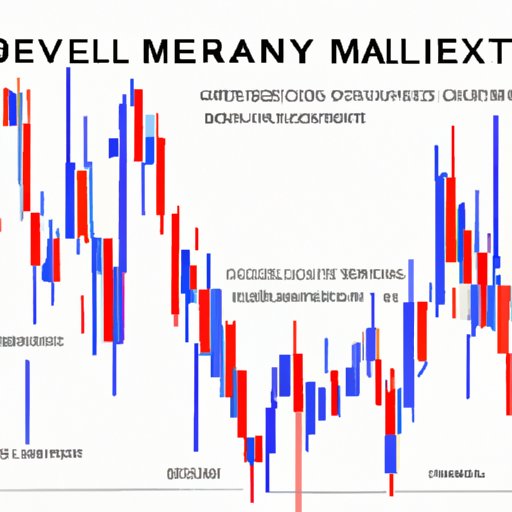
Leveraging Market Sentiment to Trade Liquidity in Forex
Market sentiment is another important factor when it comes to trading liquidity in forex. Market sentiment is the overall attitude of the market towards a particular currency pair. If the market sentiment is positive, then traders should look to buy the pair as there is likely to be increased demand. On the other hand, if the market sentiment is negative, traders should look to sell the pair as there is likely to be decreased demand.
Traders can use various methods to gauge market sentiment, such as news reports, economic data releases, and social media. By understanding market sentiment, traders can take advantage of liquidity and make informed decisions about when to enter and exit trades.

Developing a Risk Management Plan to Trade Liquidity in Forex
Risk management is an essential part of trading liquidity in forex. Risk management involves setting limits on how much you are willing to risk in each trade and adhering to those limits. It is also important to diversify your portfolio in order to reduce the risk of losses. For example, traders should look to spread their investments across different currencies, asset classes, and markets.
Traders should also consider using stop losses and take profit orders to limit their exposure to risk. Stop losses are orders that automatically close out a trade if it reaches a certain level of loss while take profit orders close out a trade once a certain level of profit has been reached. These orders can help traders protect their capital when trading liquidity in forex.
Conclusion
In conclusion, liquidity is an important factor in the forex market and traders need to understand how it impacts their trades. By analyzing volatility, utilizing technical analysis tools, exploring different strategies, leveraging market sentiment, and developing a risk management plan, traders can take advantage of liquidity and maximize their profits.
It is important to remember that trading liquidity in forex carries a high degree of risk and traders should only invest money that they are prepared to lose. With the right approach and knowledge, however, traders can successfully navigate the forex market and take advantage of liquidity.
(Note: Is this article not meeting your expectations? Do you have knowledge or insights to share? Unlock new opportunities and expand your reach by joining our authors team. Click Registration to join us and share your expertise with our readers.)