
Introduction
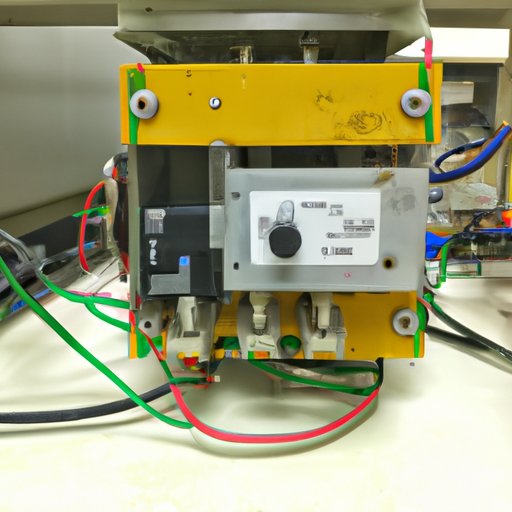
A starter is an essential component of any vehicle’s engine, as it is responsible for providing the initial power needed to start the vehicle. As such, it is important to ensure that the starter is functioning properly and is able to deliver the necessary amount of power. This article will provide a step-by-step guide on how to properly test your starter.
Check the Voltage Output
The first step in testing your starter is to check the voltage output. To do this, you will need to use a multimeter to measure the voltage at the starter. The optimal range for a vehicle’s engine is between 9 and 12 volts. If the voltage is lower than this, then it could indicate a problem with the battery or other electrical components.
Inspect All Connections
Once you have checked the voltage output, it is important to visually inspect all of the connections and wiring associated with the starter. Look for signs of wear or damage that could affect the performance of the starter. In particular, be sure to check the grounding wire, which should be firmly connected to the frame of the vehicle.
Test the Solenoid Switch
The next step is to test the solenoid switch. To do this, you will need to use an ohmmeter to measure the resistance across the terminals. If the resistance is within the manufacturer’s specifications, then the switch is functioning properly. If the resistance is too high or too low, then it could indicate a problem with the switch.
Test the Starter Motor
In order to test the starter motor, you will need to use a starter motor testing tool. This tool will measure the amount of power being delivered to the starter motor. The ideal amount of power is between 200 and 400 amps. If the amount of power is lower than this, then it could indicate a problem with the starter motor.
Perform a Bench Test
The final step in testing your starter is to perform a bench test. To do this, you will need to remove the starter from the vehicle and use jumper cables to supply power directly to it. Once the power is connected, check to see if the starter is turning over properly. If it is not, then there could be an issue with the starter itself.
Conclusion
Testing your starter is an important part of ensuring that your vehicle runs smoothly and efficiently. By following the steps outlined in this article, you can easily check the voltage output, inspect all connections, test the solenoid switch, test the starter motor, and perform a bench test. By taking the time to properly test your starter, you can save yourself time and money in the long run.
(Note: Is this article not meeting your expectations? Do you have knowledge or insights to share? Unlock new opportunities and expand your reach by joining our authors team. Click Registration to join us and share your expertise with our readers.)