
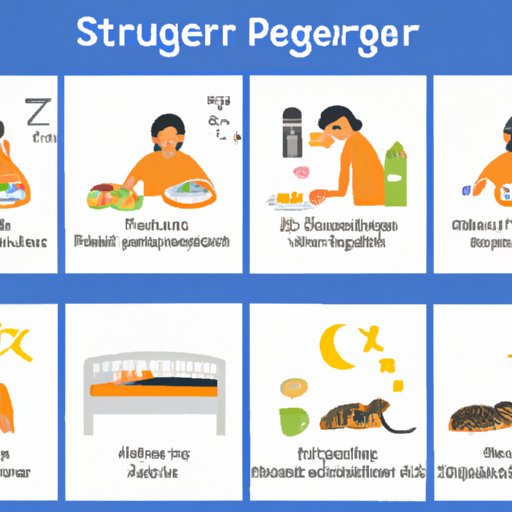
Introduction
Sleep eating is a type of parasomnia, or an abnormal behavior that occurs while sleeping. It is also referred to as nocturnal sleep-related eating disorder (NSRED). During a sleep-eating episode, a person will get out of bed and consume food without being aware of what they are doing. This can be dangerous because the person may eat unhealthy foods or even ingest poisonous substances. It is important to understand the causes of sleep eating and how to stop it.
Identify Triggers
The first step in stopping sleep eating is to identify any triggers that may be causing the episodes. Keeping a food diary can help to determine if certain foods or drinks are causing the episodes. It is also important to note feelings before and after eating. If there is a connection between specific foods and feelings of anxiety or stress, it is important to avoid those foods.
Set a Bedtime Routine
Establishing a consistent bedtime routine can help prevent sleep eating. Taking a hot bath, reading a book, and doing light stretching can all help relax the body and mind. Drinking herbal tea can also help soothe the nervous system and promote better sleep. These activities should be done at least one hour before bedtime.
Avoid Eating Right Before Bed
Eating right before bed can trigger a sleep-eating episode. It is best to finish eating 2-3 hours before bedtime. This will allow the body to digest the food and not cause disruption during sleep.
Get Adequate Sleep
Adequate amounts of sleep are essential for good health. Aim for 7-9 hours of sleep each night. This will help to ensure that the body is well-rested and ready for the next day.
Talk to Your Doctor
If sleep eating is becoming a serious problem, it is important to talk to a doctor. They may recommend treatments or medications that can help reduce or eliminate the episodes. It is important to speak with a healthcare professional before taking any medication.
Consider Cognitive Behavioral Therapy
Cognitive behavioral therapy (CBT) can be a helpful tool for managing sleep eating. CBT helps to identify and change unhealthy behaviors. It can also teach stress or anxiety management techniques that can help to reduce or eliminate sleep eating episodes.
Conclusion
Sleep eating can be a serious disorder that can have many negative consequences. Identifying triggers, setting a healthy bedtime routine, avoiding eating right before bed, getting adequate sleep, talking to your doctor, and considering cognitive behavioral therapy can all help to stop sleep eating. By taking these steps, it is possible to manage this disorder and improve overall health and wellbeing.
(Note: Is this article not meeting your expectations? Do you have knowledge or insights to share? Unlock new opportunities and expand your reach by joining our authors team. Click Registration to join us and share your expertise with our readers.)