
Introduction
A breaker tripping is an issue that many homeowners face. A circuit breaker trips when the current flowing through it exceeds the amount of amperage, or amps, it is designed to handle. When this happens, the circuit breaker shuts off, which interrupts the flow of electricity to whatever is connected to it. In this article, we will explore how to stop a breaker from tripping.
Check for Overloaded Circuits
One of the most common causes of a circuit breaker tripping is an overloaded circuit. This occurs when too many appliances are plugged into one outlet, or when a single appliance uses more power than the circuit can handle. To prevent this from happening, you should check each outlet in your home and make sure that it isn’t overloaded.
Identify Which Outlets are Overloaded
To identify which outlets are overloaded, start by counting the number of appliances plugged into each outlet. If there are more than two or three appliances plugged into one outlet, then it may be overloaded. Additionally, if any of the appliances plugged into the outlet are high-powered, such as a space heater, then the outlet may also be overloaded.
Unplug Appliances as Needed
Once you have identified which outlets are overloaded, unplug some of the appliances until the outlet is no longer overloaded. If you need to plug in additional appliances, consider using a power strip or a surge protector to help distribute the load across multiple outlets.
Replace Faulty Appliances or Outlets
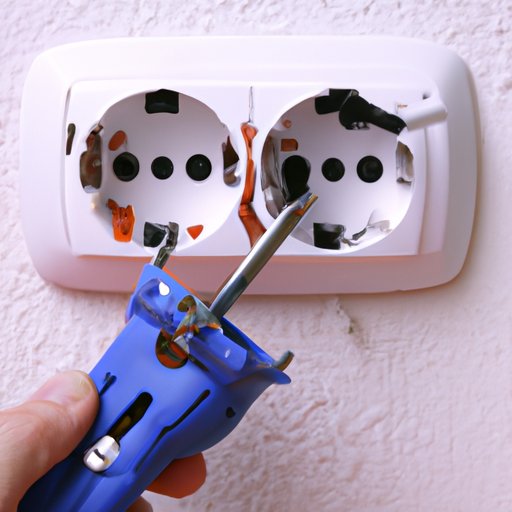
Another common cause of a circuit breaker tripping is faulty appliances or outlets. If some of your appliances are old or damaged, they may be drawing more power than they should be, which can cause the circuit breaker to trip. Additionally, if your outlets are loose or damaged, they may be causing a short circuit, which can also cause the breaker to trip.
Inspect Outlets and Appliances for Damage
To prevent this from happening, inspect all of your outlets and appliances for any signs of damage. Look for signs of wear and tear, such as frayed wires or cracked plastic. If you find any damage, replace the damaged part as soon as possible.
Replace Damaged Parts
If you find any damaged parts, replace them as soon as possible. For outlets, you may need to hire an electrician to do the job. For appliances, you may need to contact the manufacturer or purchase a replacement part. Replacing damaged parts can help reduce the risk of a circuit breaker tripping.
Reset the Breaker
If your breaker has tripped, you will need to reset it before you can restore power to the affected area. Resetting the breaker is relatively simple and only takes a few minutes.
Locate the Circuit Breaker Box
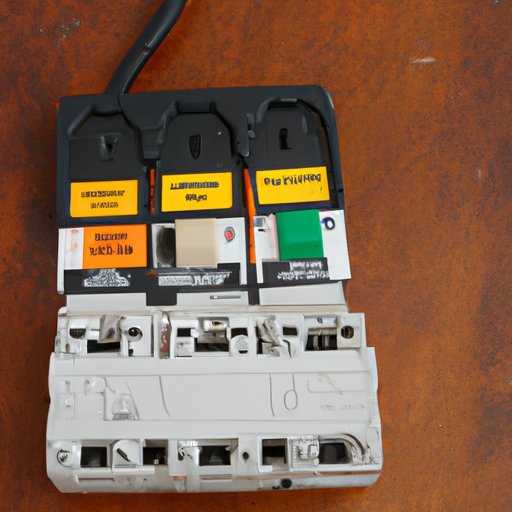
The first step is to locate the circuit breaker box. This is usually located in a basement, garage, or utility room. Once you have located the box, open it up and look for the tripped breaker. It will likely be labeled with the name of the affected area.
Turn Off the Breaker
Once you have located the tripped breaker, turn it off. This will interrupt the flow of electricity to the affected area. Be sure to turn it off completely—do not leave it in the “on” position.
Turn the Breaker Back On
Once the breaker is off, turn it back on. This will restore power to the affected area. Be sure to turn it all the way on—do not leave it in the “off” position.
Install a Higher-Amp Breaker
If your breaker continues to trip, you may need to install a higher-amp breaker. Higher-amp breakers are designed to handle larger amounts of current, which can help prevent the breaker from tripping.
Determine the Amperage of the Breaker
Before you can install a higher-amp breaker, you will need to determine the amperage of the existing breaker. The amperage of the breaker is typically printed on the side of the breaker. Alternatively, you can refer to the circuit breaker box’s wiring diagram.
Install a Breaker with a Higher Amperage
Once you know the amperage of the existing breaker, you can purchase a breaker with a higher amperage. Be sure to purchase a breaker that is compatible with your circuit breaker box. Once you have purchased the breaker, install it in place of the existing breaker. This will help ensure that the breaker can handle the amount of current running through it.
Upgrade Your Electrical System
If your breaker continues to trip, you may need to upgrade your electrical system. This can involve replacing outdated wiring, adding additional circuits, or adding a subpanel. This type of work should always be done by a licensed electrician.
Consult an Electrician
The first step is to consult an electrician. An electrician can assess your electrical system and determine what upgrades are needed. They can also provide you with an estimate for the cost of the upgrades.
Discuss Options to Upgrade Your Electrical System
Once you have consulted an electrician, discuss options for upgrading your electrical system. Make sure to ask about the pros and cons of each option and the estimated cost. Then, decide which option is best for your home and budget.
Install a Surge Protector
Surge protectors can help protect your electrical system from power surges, which can cause a circuit breaker to trip. Installing a surge protector can help reduce the risk of a circuit breaker tripping due to a power surge.
Identify the Type of Surge Protector Needed
Before you can install a surge protector, you will need to identify the type of surge protector that is needed. There are several types of surge protectors available, including whole-house surge protectors and appliance-specific surge protectors. Depending on your needs, you may need to install one or both types of surge protectors.
Install the Surge Protector
Once you have identified the type of surge protector needed, you can purchase it and install it. Most surge protectors are relatively easy to install and can be done without the help of an electrician. However, if you are unsure about the installation process, it is best to consult an electrician.
Have an Electrician Inspect Your Wiring
If your breaker continues to trip, you may need to have your wiring inspected by an electrician. An electrician can inspect your wiring and identify any issues that may be causing the breaker to trip.
Schedule an Appointment
To have your wiring inspected, schedule an appointment with a licensed electrician. Be sure to explain the issue you are having and the steps you have already taken to resolve it. This will help the electrician better understand the problem and come up with a solution.
Have an Electrician Inspect Your Wiring
Once you have scheduled an appointment, have the electrician inspect your wiring. They will likely use specialized equipment to test the wiring and identify any issues. If any issues are found, they will recommend a solution and provide you with an estimate for the repairs.
Conclusion
A breaker tripping can be a frustrating issue to deal with. Fortunately, there are several steps you can take to help prevent the breaker from tripping. These include checking for overloaded circuits, replacing faulty appliances or outlets, resetting the breaker, installing a higher-amp breaker, upgrading your electrical system, and installing a surge protector. If these steps do not resolve the issue, you may need to have your wiring inspected by a licensed electrician. By following these steps, you can help ensure that your breaker stays on and your electrical system stays safe.
(Note: Is this article not meeting your expectations? Do you have knowledge or insights to share? Unlock new opportunities and expand your reach by joining our authors team. Click Registration to join us and share your expertise with our readers.)