
Introduction
Watercolor painting is a beautiful and creative medium that can be used to create stunning works of art. Whether you’re a beginner looking to get started or an experienced artist looking to expand your skillset, this article will help you understand the basics of watercolor painting and how to get started.

Research the Basics of Watercolor Painting
Before you start painting, it’s important to familiarize yourself with the materials, terminology, and techniques associated with watercolor painting. By understanding the basics, you can confidently move forward in your exploration of this medium.
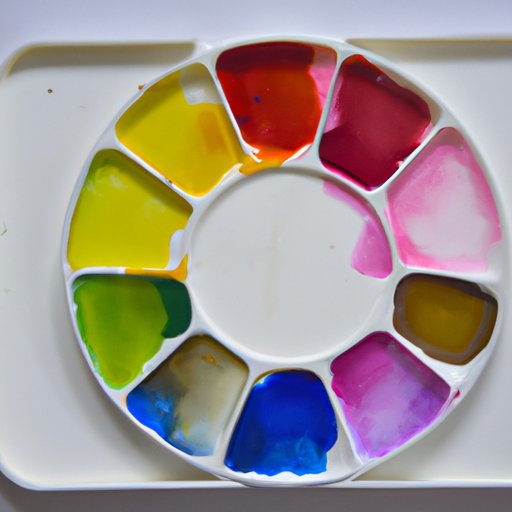
Materials Needed: To paint with watercolors, you will need paints, brushes, paper, and other tools. Depending on your style, you may also want to invest in additional supplies such as palettes, sponges, and spray bottles.
Techniques and Terminology: There are several techniques used in watercolor painting, including wet on wet, dry brush, glazing, layering, and more. It’s also important to become familiar with terms such as washes, gradients, and lifting. Learning these techniques and terminology will help you develop your own unique style.
Gather Necessary Supplies
Once you’ve familiarized yourself with the basics of watercolor painting, it’s time to gather the necessary supplies. The type of supplies you need will depend on your budget and preferences.
Paints: When selecting paints, it’s important to consider quality and price. Professional-grade paints are typically more expensive but have higher pigment concentrations and better lightfastness. For beginners, student-grade paints are usually more affordable and provide good color saturation.
Brushes: Brushes come in a variety of sizes, shapes, and fibers. It’s best to invest in a set of high-quality brushes that are designed for watercolor painting. Synthetic and sable brushes are both popular options.
Paper: Watercolor paper comes in a variety of textures and weights. It’s important to select the right paper for the type of work you plan to do. Cold press paper is a good choice for beginners, as it provides a slightly rough texture that helps the paint adhere to the surface.
Other Tools: Other tools you may need include a palette, sponges, and a spray bottle. These tools can help you achieve certain effects and add texture and depth to your paintings.
Practice Basic Brush Strokes
Now that you’ve gathered all the necessary supplies, it’s time to practice some basic brush strokes. Start by practicing on scrap paper until you get a feel for the medium. This will help you develop your control and accuracy.
Focus on making even, consistent strokes. Try to keep your pressure light, as too much pressure can cause the brush to leave unsightly marks. Experiment with different brush sizes and types, and practice making curved and straight lines.
Start with Simple Shapes and Elements
Now that you’ve practiced some basic brush strokes, it’s time to start painting. Begin with simple shapes and elements such as circles, triangles, and lines. This will help you build up your confidence and gain familiarity with the medium.
Start with just one color and focus on creating clean, even shapes. Once you have mastered the basics, you can begin to experiment with different color combinations and techniques.

Experiment with Different Color Combinations and Techniques
Now that you’ve mastered the basics, it’s time to start experimenting. Play around with different color combinations and techniques such as blending, wet on wet, and dry brush. This is a great way to explore the possibilities of watercolor painting and develop your own unique style.
Try to push yourself out of your comfort zone and experiment with new techniques. You may be surprised by the results!
Create a Sketchbook
Creating a sketchbook is a great way to document your progress and practice your techniques. Use your sketchbook to experiment with different ideas and color combinations. This will help you become more comfortable with the medium and develop your skills.

Join an Online Community or Find a Local Class
Joining an online community or taking a local class is a great way to connect with other watercolor painters and learn from experienced artists. Online communities provide a platform for sharing tips and advice, while classes can give you personalized instruction and feedback.
No matter your skill level, connecting with other watercolor painters is a great way to gain insight and inspiration. You never know what you might learn!
Conclusion
Watercolor painting is a wonderful and creative medium that allows you to express yourself and create beautiful works of art. By understanding the basics, gathering the necessary supplies, and experimenting with different techniques, you can start exploring this medium and developing your own unique style.
Don’t forget to join an online community or find a local class to connect with other watercolor painters and gain knowledge and insight.
(Note: Is this article not meeting your expectations? Do you have knowledge or insights to share? Unlock new opportunities and expand your reach by joining our authors team. Click Registration to join us and share your expertise with our readers.)