
Introduction
Writing a book is no easy task, but it can be a rewarding experience that allows you to express yourself in a creative way. Whether you are writing a novel, nonfiction book, or a memoir, the process of starting a book can be daunting. This article will explore some tips and advice for those looking to start writing a book.
Definition of Writing a Book
Writing a book is the process of creating a text in order to tell a story or convey a message. According to the Oxford English Dictionary, a book is “a written or printed work consisting of pages glued or sewn together along one side and bound in covers.” Books can range from fiction to non-fiction, and they can be short stories, novels, biographies, memoirs, or any other type of narrative.
Overview of Problem
For many aspiring authors, the idea of writing a book can be overwhelming. The process of starting a book can be difficult, and there are many steps involved in completing a book. This article will explore ways to make the process of writing a book easier, from brainstorming ideas to outlining the story to editing the final draft.
Brainstorm Ideas
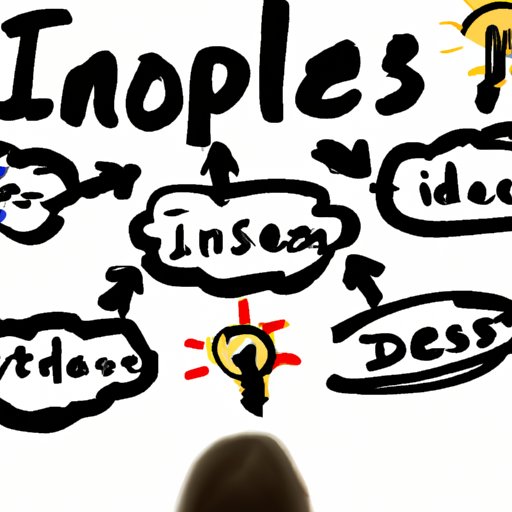
The first step in writing a book is to brainstorm ideas. It is important to think about what type of book you want to write and what kinds of topics or stories you want to explore. Consider the types of characters, plot lines, and settings that you want to include in your book. You may also want to do research on topics related to your book to get more ideas.
What Types of Ideas to Consider
When brainstorming ideas for a book, consider the following types of aspects:
- Characters – Who are the main characters? What are their backgrounds and motivations?
- Plot – What is the main plot of the book? What events happen and how do they affect the characters?
- Setting – Where does the book take place? What kind of environment does it take place in?
- Theme – What is the overarching theme or message of the book?
Examples of Characters, Plot, and Setting
You can use examples from books you have read or films you have seen to help you come up with ideas for characters, plot, and setting. For example, if you want to write a fantasy novel, you could look at J.R.R. Tolkien’s The Lord of the Rings for inspiration. The main characters are Frodo, Sam, Merry, and Pippin, and the plot follows their journey to destroy the One Ring. The setting is Middle-earth, a fictional world populated by elves, orcs, and humans.
Outline the Story
After you have brainstormed ideas for your book, the next step is to create an outline. An outline is a roadmap for your book that helps you stay organized and focused. It can also help you identify potential plot holes or inconsistencies in your story.
Benefits of Creating an Outline
Creating an outline has many benefits. It can help you organize your thoughts and keep track of all the elements of your story. It can also help you stay focused and motivated as you work on your book. An outline can also help you identify potential problems with your story before you start writing.
Tips for Writing an Outline
When writing an outline for your book, it is important to be as detailed as possible. Try to include all the major plot points and characters, as well as any other details that you want to include. Additionally, make sure to keep track of where each scene takes place and who is involved. This will help you stay organized and ensure that your story flows smoothly.
Create a Schedule
Once you have created an outline for your book, the next step is to create a schedule. Establishing a writing schedule can help you stay on track and ensure that you are making progress on your book. It can also help you stay motivated and prevent writer’s block.
Benefits of Establishing a Schedule
Establishing a writing schedule has many benefits. According to a study published in PLOS ONE, “having a regular writing routine can increase productivity, reduce stress, and improve quality.” A writing schedule can also help you stay focused and organized, and it can provide structure and motivation.
Tips for Making a Writing Schedule
When creating a writing schedule, it is important to be realistic. Set achievable goals and break down large tasks into smaller ones. It is also important to give yourself breaks and set aside time for rest and relaxation. Additionally, try to set a specific time and place for writing and stick to it.
Develop Characters
Once you have established a writing schedule, the next step is to develop your characters. Creating believable and relatable characters is an important part of writing a book, and it can be a challenging process. It is important to think carefully about each character and their motivations, fears, and desires.
Tips for Creating Characters
When developing characters, it is important to think carefully about their backstory and motivations. Ask yourself questions such as: What are they afraid of? What do they want? What are their strengths and weaknesses? Additionally, consider how the characters’ relationships with each other will evolve over the course of the book.
Examples of Character Development
There are many examples of effective character development in literature. In J.K. Rowling’s Harry Potter series, for example, Harry, Ron, and Hermione grow and change throughout the books. Their relationships with each other evolve and deepen, and they learn valuable lessons about friendship and courage.
Write
Once you have developed your characters and outlined your story, it is time to start writing. Writing a book can be a daunting task, but there are several tips and tricks to help you stay organized and motivated.
Tips for Writing a Book
When writing a book, it is important to stay organized and focused. Make sure to keep track of all the elements of your story, such as characters, plot points, and settings. Additionally, try to write every day and establish a consistent writing routine. Finally, don’t be afraid to make mistakes – it is often through trial and error that great stories are born.
Advice for Overcoming Writer’s Block
Writer’s block is a common problem for writers, but it doesn’t have to be a roadblock. If you find yourself stuck, take a break and do something else for a while. Take a walk, read a book, or watch a movie – anything to get your mind off of writing. Additionally, try talking to friends or family about your book or asking for feedback from readers. This can help you gain perspective and get back on track.
Edit
Once you have finished writing your book, the next step is to edit it. Editing is an essential part of the writing process, and it can help you improve your book and make it the best it can be.
Benefits of Editing a Book
Editing a book has many benefits. According to the Harvard Business Review, “editing can help writers refine their ideas, strengthen their arguments, and make their writing clearer and more concise.” Additionally, editing can help you identify potential problems with your story, such as plot holes or inconsistencies.

Tips for Editing a Book
When editing your book, it is important to be thorough. Read through your book multiple times and pay close attention to grammar, spelling, and punctuation. Additionally, ask others to read your book and provide feedback. This can help you identify any potential problems with your story. Finally, take the time to make revisions and improvements.
Conclusion
Writing a book can be a daunting task, but it can also be a rewarding and fulfilling experience. This article has explored some tips and advice for those looking to start writing a book, from brainstorming ideas to outlining the story to editing the final draft. With these tips, you can make the process of writing a book easier and more enjoyable.
Recap
Writing a book can be an intimidating process, but it can also be a rewarding experience. This article has explored ways to make the process of writing a book easier, from brainstorming ideas to outlining the story to editing the final draft. With these tips and advice, you can make the process of writing a book more enjoyable and successful.
Final Thoughts
Writing a book is a challenging process, but it can be a rewarding and fulfilling experience. By taking the time to brainstorm ideas, outline the story, create a schedule, and develop characters, you can make the process of writing a book much easier. Additionally, taking the time to edit your book can help you create a high-quality story that readers will enjoy.
(Note: Is this article not meeting your expectations? Do you have knowledge or insights to share? Unlock new opportunities and expand your reach by joining our authors team. Click Registration to join us and share your expertise with our readers.)