
Introduction
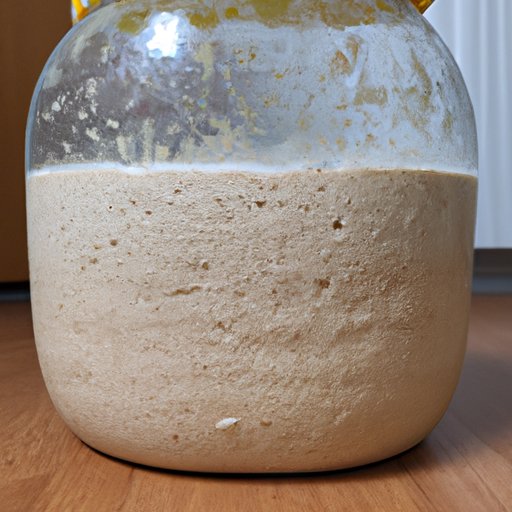
Sourdough bread has become a popular choice for baking enthusiasts and home bakers alike. It’s made with a starter – a mixture of flour, water, and wild yeast – that is kept alive by regular feedings and care. In this article, we’ll explore all you need to know about starting and maintaining a sourdough starter, as well as tips and tricks for making perfect bread every time.
Step-by-Step Guide to Starting a Sourdough Starter
Starting a sourdough starter is relatively simple. Here are the basic steps you need to follow to get started:
Gather ingredients
The main ingredients you need to make a sourdough starter are flour, water, and wild yeast. You can use any type of flour, but whole wheat or rye flour will give the best results. You’ll also need a container for the starter and a stirring spoon.
Activate yeast
To activate the wild yeast in the starter, mix together the flour and water until they form a thick paste. Then, cover the container and let it sit at room temperature overnight. This will allow the wild yeast to activate and begin producing carbon dioxide, which helps the starter rise.
Mix the starter
The next day, stir the starter again to combine the ingredients. If the starter has risen, you can add more flour and water to the mixture. Keep stirring until all the ingredients are fully combined.
Feed the starter
Once the starter is mixed, you’ll need to feed it regularly to keep it alive. To do this, add equal parts flour and water to the starter, mix it together, and then cover the container and let it sit at room temperature. You should do this once a day for the first week, and then every other day after that.
Monitor and store the starter
It’s important to monitor the starter as it grows and matures. You should look for signs of growth and adjust the amount of flour and water you add if necessary. Also, make sure to store the starter in an airtight container in the refrigerator when not in use.
Tips and Tricks for Making a Perfect Sourdough Starter
Making a perfect sourdough starter can be tricky, so here are some tips and tricks to help you get perfect results every time:
Use quality ingredients
Using high-quality ingredients is key to making a successful starter. Choose organic flours, filtered water, and active dry yeast for the best results.
Choose the right container
It’s important to use a container that is large enough for the starter to grow in. Glass jars work well, as do ceramic or plastic containers. Just make sure the container is airtight and non-reactive.
Keep track of temperature and humidity
Temperature and humidity can have a big impact on the success of your starter. Try to keep the starter at a consistent temperature of around 70-75°F, and make sure the environment is not too dry or humid. According to a study published in the International Journal of Food Microbiology, “A relative humidity of 65-70% was found to favor the growth of starters.”
A Beginner’s Guide to Sourdough: How to Get Started
If you’re new to sourdough baking, there are a few things you should know before you get started. Here are some tips to help you understand the basics:
Understand the basics of sourdough
Sourdough is a type of bread that is made with a starter instead of commercial yeast. The starter is a mixture of flour, water, and wild yeast that is kept alive through regular feedings. The starter is then used to leaven the dough and give it its signature tangy flavor.
Learn about the different types of starters
There are two main types of starters: liquid and stiff. Liquid starters are made with equal parts flour and water and are best for baking breads with a soft, light texture. Stiff starters are made with more flour than water and are better for making breads with a chewy, dense texture.
Follow a recipe
When you’re just starting out, it’s best to follow a recipe to ensure that you get the best results. There are plenty of recipes available online that can help you get started.
Sourdough Starter 101: How to Make Your Own
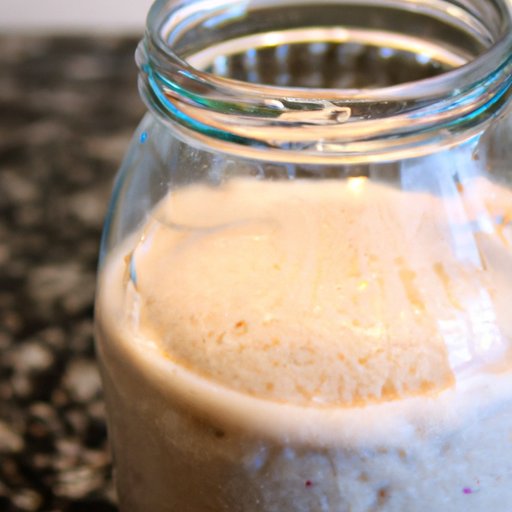
Making your own sourdough starter is relatively easy, but there are a few things you should keep in mind. Here’s what you need to know:
Gather the necessary ingredients
You’ll need flour, water, and wild yeast to make a sourdough starter. You can use any type of flour, but whole wheat or rye flour will give the best results. You’ll also need a container for the starter and a stirring spoon.
Prepare the starter
Mix the flour and water together until they form a thick paste, then cover the container and let it sit at room temperature overnight. This will allow the wild yeast to activate and begin producing carbon dioxide, which helps the starter rise.
Monitor and adjust the starter
Once the starter is mixed, you’ll need to feed it regularly to keep it alive. Add equal parts flour and water to the starter, mix it together, and then cover the container and let it sit at room temperature. You should do this once a day for the first week, and then every other day after that. Monitor the starter closely and adjust the amount of flour and water you add if necessary.
Sourdough Starter in 5 Easy Steps
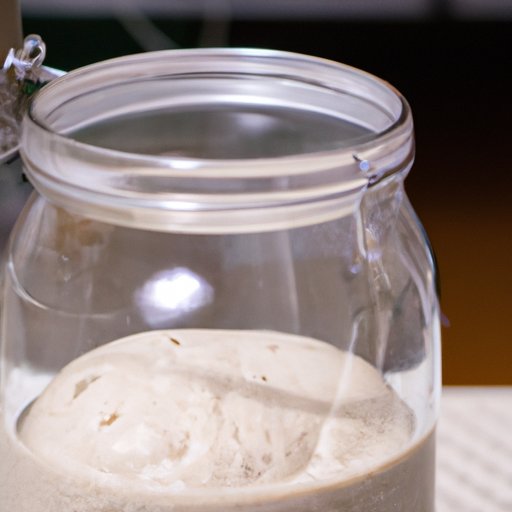
If you’re looking for a quick and easy way to make a sourdough starter, here are five simple steps to get you started:
Step 1: Gather the ingredients
You’ll need flour, water, and wild yeast to make a sourdough starter. You can use any type of flour, but whole wheat or rye flour will give the best results. You’ll also need a container for the starter and a stirring spoon.
Step 2: Activate the yeast
To activate the wild yeast in the starter, mix together the flour and water until they form a thick paste. Then, cover the container and let it sit at room temperature overnight. This will allow the wild yeast to activate and begin producing carbon dioxide, which helps the starter rise.
Step 3: Mix the starter
The next day, stir the starter again to combine the ingredients. If the starter has risen, you can add more flour and water to the mixture. Keep stirring until all the ingredients are fully combined.
Step 4: Feed the starter
Once the starter is mixed, you’ll need to feed it regularly to keep it alive. To do this, add equal parts flour and water to the starter, mix it together, and then cover the container and let it sit at room temperature. You should do this once a day for the first week, and then every other day after that.
Step 5: Monitor and store the starter
It’s important to monitor the starter as it grows and matures. You should look for signs of growth and adjust the amount of flour and water you add if necessary. Also, make sure to store the starter in an airtight container in the refrigerator when not in use.
Conclusion
Starting a sourdough starter is a rewarding experience that can lead to delicious homemade bread. By following the steps outlined in this article, you can make your own starter from scratch. Remember to use quality ingredients, choose the right container, and keep track of temperature and humidity for best results. With a little practice and patience, you’ll be able to make perfect sourdough bread every time.
(Note: Is this article not meeting your expectations? Do you have knowledge or insights to share? Unlock new opportunities and expand your reach by joining our authors team. Click Registration to join us and share your expertise with our readers.)