
Introduction
Dungeons and Dragons (D&D) is a fantasy role-playing game that has been around since 1974. Players take on the roles of adventurers in a magical world filled with monsters, treasure, and danger. The goal is to explore the world, complete quests, and defeat enemies using the characters’ abilities. D&D is a great way to have fun with friends, use your imagination, and create stories together. This article will provide a comprehensive guide for those who are interested in learning how to get started with D&D.
Research the Basics
The first step to understanding D&D is to familiarize yourself with the basics. There are several core concepts that every player should understand before diving into the game. These include character creation, classes, races, and game mechanics.
Character Creation
The process of creating a character is one of the most exciting and important parts of playing D&D. Every character begins with basic attributes such as strength, dexterity, constitution, intelligence, wisdom, and charisma. These attributes determine the character’s ability scores, which dictate how effective they are in performing various tasks. In addition, players must select a class, race, and background for their character. Each of these components will affect how the character interacts with the world.
Classes
Classes are the archetypes that characters assume when playing D&D. There are many different classes to choose from, each with its own set of abilities and specializations. Some of the most popular classes include fighters, clerics, wizards, rogues, and druids.
Races
Races determine the physical characteristics of a character and can influence their abilities. Common races include humans, elves, dwarves, halflings, and gnomes. Each race has its own unique strengths and weaknesses.
Game Mechanics
The game mechanics of D&D involve rolling dice to determine the outcome of a character’s actions. The dice used are typically d20s (twenty-sided dice), but other types are also used. Players must also keep track of their character’s hit points, which is a measure of their health. Additionally, characters earn experience points by completing tasks, which can be used to level up and gain new abilities.
Choose a Setting
Once the basics are understood, it’s time to choose a setting for the game. D&D has many different settings to choose from, ranging from classic high fantasy like the Forgotten Realms to more modern settings such as Eberron. It’s important to pick a setting that everyone in the group is comfortable with. It’s also helpful to read up on the setting so that everyone is familiar with the lore and history.
Gather Supplies
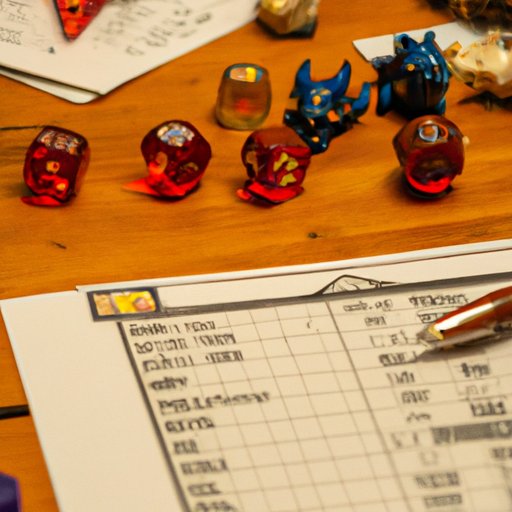
Now that you’ve chosen a setting, it’s time to gather the necessary supplies for playing D&D. The most important items are dice, miniatures, battle mats, and books. Dice come in all shapes and sizes, so make sure to get the ones that best fit your needs. Miniatures are great for visualizing combat and keeping track of where characters are in relation to each other. Battle mats are used to map out the environment and terrain. Finally, books are essential for understanding the rules and mechanics of the game.
Create Characters
Creating characters is the next step in preparing for a game of D&D. This process requires players to think about their character’s backstory, personality, goals, and motivations. There are many resources available online to help with character creation. Additionally, experienced players can offer advice on how to create interesting and unique characters.
Find Players
The final step is to find other players to join the game. Local gaming stores often host D&D sessions, so this is a great place to start. Additionally, there are many online groups dedicated to playing D&D. Joining one of these groups can provide access to a larger pool of players and allow for more varied experiences.
Conclusion
Playing Dungeons and Dragons can be a rewarding and enjoyable experience. To get started, it’s important to understand the basics, choose a setting, gather supplies, create characters, and find players.
(Note: Is this article not meeting your expectations? Do you have knowledge or insights to share? Unlock new opportunities and expand your reach by joining our authors team. Click Registration to join us and share your expertise with our readers.)