

Introduction
Starting a pesticide business can be a rewarding endeavor, allowing you to provide an essential service while potentially earning a lucrative income. However, it’s important to understand the pest control industry and the steps required to launch a successful business. This guide will walk you through the process of starting a pesticide business, from researching the industry to obtaining the necessary licenses and certifications.
Overview of the Pest Control Industry
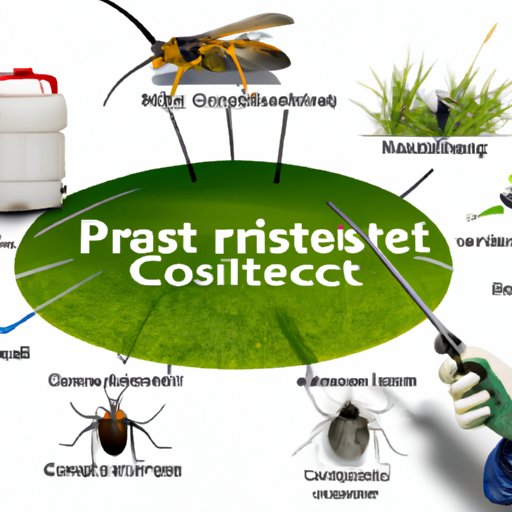
The pest control industry includes businesses that use chemical and non-chemical methods to get rid of pests like rodents, insects, and weeds. The market for pest control services is estimated to reach $22.8 billion by 2027, with a compound annual growth rate (CAGR) of 7.7%. There are several types of pest control services available, including residential, commercial, and industrial.
Benefits of Starting a Pesticide Business
Starting a pesticide business offers several potential benefits. First, you can provide a valuable service to communities, helping to protect people’s health and property from the dangers of pests. Additionally, you can enjoy the potential for high profits and the flexibility of running your own business. Lastly, you can benefit from the satisfaction of owning and operating a successful enterprise.
Researching the Pest Control Industry
Before launching a pesticide business, it’s important to research the pest control industry. Understanding industry regulations and analyzing market trends can help you develop a successful business plan.
Understanding Industry Regulations
Pest control businesses must comply with local, state, and federal regulations. Research the regulations in your area to ensure you understand all the requirements. You may need to obtain special licenses or certifications to operate legally. Additionally, you should familiarize yourself with safety protocols and best practices to protect your customers, employees, and the environment.
Analyzing Market Trends
To succeed in the pest control industry, it’s important to stay up-to-date on current trends. Analyze the market to identify any opportunities or challenges in your area. For example, if there’s an influx of new construction in your area, you may have an opportunity to expand your business by targeting commercial clients. On the other hand, if the area is experiencing a decline in population, you may need to adjust your strategies accordingly.
Developing a Business Plan
Once you’ve researched the industry, you’re ready to start developing a business plan. A business plan is a document that outlines your goals, startup costs, target market, and marketing strategies. It also helps you secure financing and attract investors.
Setting Goals
Start by setting realistic goals for your business. Consider the size of the company you want to create, the number of customers you want to serve, and the type of services you want to offer. Once you’ve established your goals, you can begin creating a plan to achieve them.
Calculating Startup Costs
Next, calculate the startup costs for your business. Consider the cost of equipment, supplies, licensing fees, insurance, and employee salaries. You should also factor in any legal or professional fees you may incur. Calculating your startup costs can help you determine how much financing you’ll need to launch your business.
Identifying Target Market
It’s also important to identify your target market. Who are the individuals or businesses most likely to need your services? Do you want to focus on residential or commercial customers? Are there any specific industries you want to target? Answering these questions can help you develop effective marketing strategies.
Outlining Marketing Strategies
Once you’ve identified your target market, you can begin outlining your marketing strategies. Consider the various tactics you can use to reach your audience, such as digital marketing, direct mail, print advertising, and referral programs. Additionally, think about ways to differentiate your business from competitors, such as offering organic pest control solutions.
Obtaining Licenses and Certifications
In order to operate a pesticide business, you’ll need to obtain the necessary licenses and certifications. Depending on where you live, you may need to acquire multiple documents to comply with local, state, and federal regulations.
Researching Requirements
Start by researching the licensing requirements in your area. Contact your local government to find out what documents you need to apply for. You may also need to submit to a background check and pass an exam.
Acquiring Necessary Documents
Once you know what documents you need, you can start the process of acquiring them. Gather the necessary paperwork and submit it to the appropriate agencies. Be sure to follow all instructions carefully to ensure your applications are processed quickly and accurately.
Securing Financing
In order to launch your business, you’ll need to secure financing. Identifying potential sources of funding and exploring available funding opportunities can help you get the capital you need.
Identifying Sources of Financing
Start by researching potential sources of financing. Consider working with a bank or credit union, applying for a small business loan, or seeking venture capital. You may also want to consider crowdfunding or angel investing.
Exploring Funding Opportunities
Once you’ve identified potential sources of financing, you can start exploring available funding opportunities. Look for grants, scholarships, and other forms of financial assistance that may be available to help you launch your business. Additionally, you can contact local economic development organizations to learn more about resources in your area.
Promoting Your Business
Once you’ve obtained the necessary licenses and secured financing, you can start promoting your business. Utilizing digital marketing tactics and leveraging traditional marketing tactics can help you reach your target audience and attract new customers.
Utilizing Digital Marketing Tactics
Digital marketing tactics can be used to effectively reach your target audience. Consider creating a website, optimizing your content for search engines, and utilizing social media platforms. Additionally, you may want to consider email marketing, online advertising, and pay-per-click campaigns.
Leveraging Traditional Marketing Tactics
Although digital marketing can be powerful, you should also consider leveraging traditional marketing tactics. Print advertising, direct mail, and radio and television spots can be effective ways to reach your target market. Additionally, you may want to consider sponsoring events, partnering with local businesses, and attending trade shows.
Conclusion
Starting a pesticide business can be a rewarding endeavor, allowing you to provide an essential service while potentially earning a lucrative income. To successfully launch a pesticide business, you must research the industry, develop a business plan, obtain necessary documents, secure financing, and promote your business. Following this step-by-step guide can help you create a successful pesticide business.
(Note: Is this article not meeting your expectations? Do you have knowledge or insights to share? Unlock new opportunities and expand your reach by joining our authors team. Click Registration to join us and share your expertise with our readers.)