

Introduction
Lactation is the process of producing milk and feeding it to an infant. It is a natural process that occurs in mammals, including humans, and is essential for providing nutrients to a newborn baby. Starting lactation can be a daunting task, but with the right resources and support, it can be done successfully. This article will provide an overview of the process for starting lactation, as well as tips and benefits for each step.
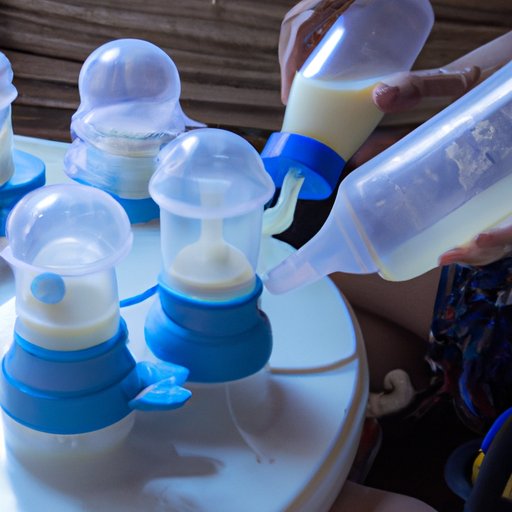
Utilize a Breast Pump to Stimulate Milk Production
A breast pump is a device that uses suction to draw milk out of the breasts. It can be used to stimulate milk production and also to collect milk for later use. Using a breast pump has several benefits, including promoting better milk production, allowing you to store milk for later use, and allowing someone else to feed your baby. Here are some tips for getting started with a breast pump:
- Choose the right breast pump for you. There are many different types of breast pumps available, so make sure to research and find one that suits your needs.
- Start pumping as soon as possible after birth. This will help to get your body used to the sensation of the pump and help to establish a good milk supply.
- Pump regularly. Aim to pump at least 8 times a day, or every 2-3 hours if you’re able to.
- Be patient. It may take some time for your body to adjust to the pump and establish a good milk supply.
Increase Your Water and Nutrient Intake
Drinking plenty of water and eating nutrient-dense foods is essential for maintaining a healthy milk supply. Increasing your water and nutrient intake can help to promote better milk production and ensure that your baby is receiving all the nutrients they need. Here are some tips for increasing your water and nutrient intake:
- Drink 8-10 glasses of water a day. This will help to keep your body hydrated and promote better milk production.
- Eat a variety of nutrient-dense foods. Focus on whole grains, fruits and vegetables, lean proteins, and healthy fats.
- Take a daily multivitamin. This will help to ensure that you are getting all the vitamins and minerals you need.
- Avoid processed foods and caffeine. These can decrease milk production and should be avoided when possible.

Take Galactagogues or Lactation Herbs
Galactagogues are substances that are thought to increase milk production. These can include herbal supplements, teas, and foods. Taking galactagogues or lactation herbs can help to increase milk production and ensure that your baby is receiving enough nutrients. Here are some tips for taking galactagogues or lactation herbs:
- Consult with a lactation consultant before taking any supplements. They can help to determine which supplements are best for you and your baby.
- Start with a low dose and gradually increase it. This will help to avoid potential side effects.
- Monitor your milk supply. If you notice a decrease in milk production, reduce the dose or stop taking the supplement.
- Speak to your doctor if you have any concerns. They can advise you on whether or not a certain supplement is safe for you and your baby.
Practice Skin-to-Skin Contact with Your Baby
Skin-to-skin contact is when a parent and baby are physically close together, with skin touching skin. This is often referred to as “kangaroo care” and is believed to have many benefits, including promoting better bonding and increasing milk production. Here are some tips for practicing skin-to-skin contact with your baby:
- Use a wrap or carrier to keep your baby close. This will allow you to move around while still keeping your baby close.
- Be sure to cover both of you with a blanket. This will keep you and your baby warm and comfortable.
- Make sure your baby is positioned correctly. The baby should be facing towards your chest, with their head slightly tilted back.
- Spend at least 15 minutes in skin-to-skin contact each day. This will help to promote better bonding and milk production.
Massage Your Breasts During Feedings
Breast massage can help to improve milk flow and increase milk production. It can also help to reduce engorgement and discomfort. Here are some tips for proper breast massage technique:
- Start by gently massaging the area around your nipple. Use circular motions with your fingertips.
- Gently squeeze the area around your nipple. This will help to stimulate milk flow.
- Massage your breasts in an up and down motion. Be sure to avoid the nipples, as this can cause discomfort.
- Repeat the massage for several minutes before and after each feeding. This will help to maximize milk production.

Nurse Frequently and for as Long as Desired
Nursing frequently and for as long as desired is essential for establishing and maintaining a good milk supply. Nursing helps to stimulate milk production and ensure that your baby is receiving all the nutrients they need. Here are some tips for maximizing nursing sessions:
- Allow your baby to nurse as often as they want. This will help to stimulate milk production and ensure that your baby is getting enough to eat.
- Encourage your baby to latch on correctly. Make sure that the baby’s mouth is covering the entire areola, not just the nipple.
- Take breaks as needed. If you need to take a break, express some milk to relieve the pressure.
- Switch sides often. This will help to ensure that your baby is getting all the nutrients they need from both breasts.
Seek Help from a Lactation Consultant
A lactation consultant is a healthcare professional who specializes in breastfeeding. They can help to answer questions, provide advice, and suggest strategies for overcoming any difficulties you may be having with breastfeeding. Here are some tips for finding and working with a lactation consultant:
- Look for a certified lactation consultant. This will ensure that the consultant is qualified to provide advice and support.
- Research local consultants. Ask friends and family for recommendations and read reviews online.
- Schedule an appointment. Most lactation consultants offer in-person and virtual consultations.
- Come prepared. Bring a list of questions and any other relevant information to the consultation.
Conclusion
Starting lactation can be a difficult process, but with the right resources and support, it can be done successfully. Utilizing a breast pump, increasing water and nutrient intake, taking galactagogues or lactation herbs, practicing skin-to-skin contact with your baby, massaging your breasts during feedings, nursing frequently and for as long as desired, and seeking help from a lactation consultant are all steps that can help you to start lactation. If you are struggling with lactation, don’t give up! With dedication and perseverance, you can achieve your goal of providing your baby with the nutrients they need.
(Note: Is this article not meeting your expectations? Do you have knowledge or insights to share? Unlock new opportunities and expand your reach by joining our authors team. Click Registration to join us and share your expertise with our readers.)