
Introduction
Lactation is the process of producing milk from the mammary glands that occurs in postpartum mammals. However, it is possible to induce lactation without pregnancy or birth through a process known as induced lactation. Induced lactation is a way for mothers to provide their babies with breast milk even if they haven’t experienced childbirth. It can also be used as an alternative to formula-feeding for adoptive parents.
The benefits of induced lactation are numerous. Breast milk provides babies with essential nutrients and antibodies that help them fight off illnesses and infections. Additionally, breastfeeding promotes bonding between mother and child and may even reduce the risk of developing certain chronic diseases later in life.
Consulting a Healthcare Professional
Before you begin the process of inducing lactation, it’s important to consult a healthcare professional. Your doctor or midwife will be able to provide you with advice on the risks and benefits of induced lactation and help you develop a plan for success.
Finding the right healthcare professional is key. Ask friends and family for referrals or search online for doctors and midwives who specialize in lactation. Once you find a professional you’re comfortable working with, discuss your goals and ask questions about the risks and benefits of induced lactation.
Establishing a Breastfeeding Schedule
Once you’ve consulted a healthcare professional, it’s time to set realistic goals and establish a breastfeeding schedule. If you’re nursing an infant, aim to feed them 8-12 times per day. For older children, look into feeding schedules that best meet their needs.
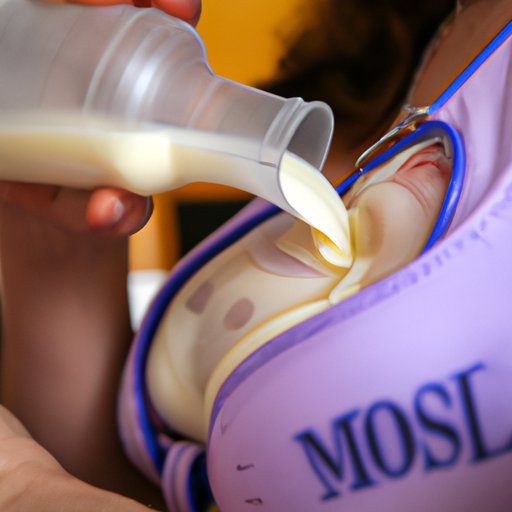
In addition to regular feedings, you should also develop a pumping routine. Pumping helps stimulate milk production and encourages your body to produce more milk. It’s important to be consistent with your pumping schedule and stick to it as much as possible.

Use Lactation Aids to Stimulate Milk Production
There are several lactation aids available that can help stimulate milk production. These include herbal supplements, medicines, and galactagogues. Herbal supplements are natural remedies made from plants and herbs that can help boost milk production. Medicines such as domperidone and metoclopramide are prescribed by physicians and have been shown to increase milk supply. Galactagogues are substances that can be taken orally or applied topically to the breasts to stimulate milk production.
It’s important to follow dosage and usage instructions carefully when taking any type of lactation aid. In some cases, you may need to take the aid for several weeks before seeing results.
Monitor Your Progress and Adjust as Needed
Once you’ve started inducing lactation, it’s important to track your progress and make necessary adjustments. Keep a journal of your milk production to monitor your progress and adjust your routine accordingly. You may need to increase or decrease the amount of time you spend pumping or change your diet to ensure you’re getting enough nutrients.
Conclusion
Induced lactation is a great way to provide your baby with breast milk even if you haven’t experienced childbirth. Before beginning the process, it’s important to consult a healthcare professional and discuss the risks and benefits. Establishing a breastfeeding schedule and using lactation aids to stimulate milk production can help you reach your goals. Finally, be sure to monitor your progress and make adjustments as needed.
With dedication and determination, you can achieve your goal of providing your baby with breast milk.
(Note: Is this article not meeting your expectations? Do you have knowledge or insights to share? Unlock new opportunities and expand your reach by joining our authors team. Click Registration to join us and share your expertise with our readers.)