
Introduction
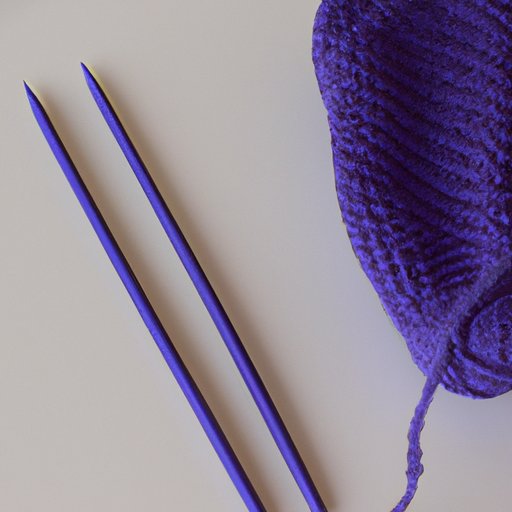
Knitting is a craft that has been around for centuries, used to make clothing, accessories, and other items. It involves looping yarn through needles to create patterns, texture, and fabric. Whether you’re interested in learning how to knit for yourself, or as a hobby to pass the time, it’s an enjoyable and fulfilling activity that can be done virtually anywhere.
In addition to being a great way to relax and channel your creative energy, there are many benefits to learning how to knit. Studies have shown that knitting can help reduce stress and anxiety, improve mental clarity, and even help with chronic pain. It can also provide a sense of accomplishment when you finish a project and be a great way to socialize with others who share the same passion.
Beginner’s Guide to Knitting: Explaining the Basics of Yarn, Needles, and Stitches
If you’ve never knitted before, it can seem overwhelming at first, but don’t worry—we’re here to help! Here’s a quick guide to the basics of knitting so you can get started.
Types of Yarn
Yarn is the most important part of any knitting project, so it’s important to choose the right type for your project. The two main types of yarn are natural fibers (such as wool, cotton, and silk) and synthetic fibers (such as acrylic and polyester). Natural fibers are usually more expensive and can be more difficult to work with, but they are stronger and more durable. Synthetic fibers are generally cheaper and easier to work with, but they may not last as long.
Types of Needles
Another important factor in knitting is the type of needles you use. There are several different types of needles available, including straight needles, circular needles, double-pointed needles, and cable needles. Generally, straight needles are best for beginners, as they are easier to work with. Circular needles are better for larger projects, while double-pointed needles and cable needles are best for more complex projects.
Basic Stitches
Once you’ve chosen your yarn and needles, the next step is to learn the basic stitches. The three most common stitches are the knit stitch, the purl stitch, and the rib stitch. The knit stitch is the most basic stitch and is used to create a flat fabric. The purl stitch is used to create a patterned fabric, while the rib stitch is used to create a stretchy fabric. With these three stitches, you can create a variety of patterns and fabrics.

How to Choose Yarn for Your First Knitting Project
Choosing the right yarn for your project is key to ensuring a successful outcome. Here are some things to consider when selecting yarn for your first project.
Types of Projects
The type of project you plan to make will determine the type of yarn you should use. For example, if you’re making a scarf, you’ll want to use a lightweight yarn like cotton or wool. If you’re making a sweater, you’ll need a thicker yarn like wool or acrylic.
Things to Consider
When selecting yarn, you should also consider the color, texture, and weight of the yarn. You’ll want to choose a color that complements your project, a texture that will feel comfortable against your skin, and a weight that’s appropriate for the item you’re making. Additionally, you should also consider the care instructions for the yarn; some yarns are machine washable, while others must be hand washed.
Step-by-Step Tutorial on Casting On and Starting to Knit
Now that you’ve got your supplies, it’s time to start knitting! Here’s a step-by-step tutorial on casting on and starting to knit.
Materials Needed
You’ll need your yarn, needles, and a pair of scissors. You may also want to have a tape measure handy.
Steps to Cast On
1. Start by making a slip knot on one of the needles. To do this, make a loop in the yarn, wrap the yarn around the needle, and pull the yarn through the loop. You should now have one loop on the needle.
2. Wrap the yarn around the needle again and pull the yarn through the loop. You should now have two loops on the needle.
3. Repeat this process until you have the desired number of stitches on the needle.
Tips for Success
It’s important to keep your tension even when casting on. If your tension is too tight, your stitches will be too small, and if it’s too loose, your stitches will be too big. Also, try to keep the yarn from getting tangled, as this can make the process more difficult.

Tips for Learning the Different Types of Knitting Stitches
Now that you’ve mastered the basics of casting on and knitting, it’s time to move on to more advanced stitches. Here are some tips for learning the different types of knitting stitches.
Garter Stitch
The garter stitch is a simple stitch that produces a textured fabric. To create this stitch, simply knit all the stitches on every row. This stitch is often used for blankets, scarves, and other items.
Stockinette Stitch
The stockinette stitch is a popular stitch that produces a smooth, flat fabric. To create this stitch, alternate between knitting and purling each row. This stitch is often used for sweaters, hats, and other items.
Ribbing
Ribbing is a type of stitch that produces a stretchy fabric. To create this stitch, alternate between knitting and purling in the same row. This stitch is often used for cuffs, collars, and other items that need to fit snugly.
Seed Stitch
The seed stitch is a textured stitch that produces a bumpy fabric. To create this stitch, alternate between knitting and purling in the same row. This stitch is often used for blankets, scarves, and other items.
Video Tutorials on How to Start Knitting
If you’re looking for more help with knitting, there are lots of great video tutorials available online. Here are some tips for finding helpful tutorials.
Where to Find Helpful Tutorials
YouTube is a great resource for finding helpful knitting tutorials. You can search for specific techniques or projects, or browse through the various channels dedicated to knitting and crochet. Additionally, many yarn companies have their own YouTube channels with helpful tutorials.
Examples of Helpful Tutorials
Some helpful tutorials include “How to Cast On”, “How to Knit the Garter Stitch”, and “How to Purl Stitch”. Additionally, many tutorials cover more advanced techniques such as cables and lace knitting.
Conclusion
Learning how to knit can be intimidating at first, but with the right knowledge and resources, anyone can become a master knitter! In this article, we’ve provided a comprehensive beginner’s guide to knitting, including information on yarn, needles, and basic stitches. We’ve also shared tips on choosing yarn for your project and step-by-step tutorials on casting on and starting to knit. Finally, we’ve included some helpful video tutorials to get you started.
Whether you’re looking to make something practical or just want to pass the time, knitting is a great way to stay busy and express your creativity.
(Note: Is this article not meeting your expectations? Do you have knowledge or insights to share? Unlock new opportunities and expand your reach by joining our authors team. Click Registration to join us and share your expertise with our readers.)