
Introduction
Fishing is an enjoyable outdoor activity that can be enjoyed by people of all ages. It involves catching fish from lakes, rivers, and oceans using a variety of methods, such as angling, trapping, and netting. Whether you’re an experienced fisherman or just starting out, it’s important to know the basics of fishing before getting started. This article will explore the steps required to start fishing, so you can make the most of your time out on the water.
Research the Basics of Fishing
Before you begin, it’s important to understand the different types of fishing, what gear and techniques are needed, and the safety considerations involved. According to the American Sportfishing Association, “There are many types of recreational fishing, including fly-fishing, ice fishing, bass fishing, and saltwater fishing. Each type requires its own set of skills and knowledge to ensure success.”
It’s also important to understand the necessary gear and techniques for successful fishing. Depending on the type of fishing you plan to do, you may need rods, reels, tackle boxes, baits, and lures. You should also familiarize yourself with the basic techniques of fishing, such as casting, trolling, jigging, and bottom fishing.
Choose a Fishing Spot
The next step is to find a suitable fishing spot. Begin by identifying a nearby body of water, such as a lake, river, or ocean. Check to see if the area is open to fishing and if there are any restrictions in place. Then, determine if the water is suitable for fishing. Factors to consider include water clarity, depth, temperature, salinity, and presence of aquatic vegetation.
Assemble Your Gear
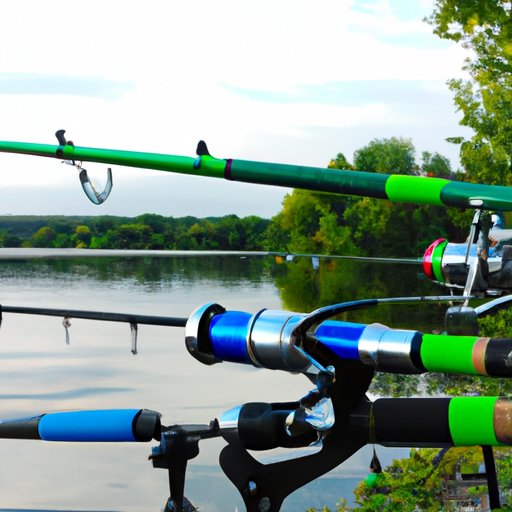
Once you have identified a suitable fishing spot, it’s time to assemble the necessary gear. Rods and reels are essential pieces of equipment, but you will also need tackle boxes, baits, and lures. There are many different types of rods and reels available, so it’s important to do your research and choose one that best suits your needs. As for tackle boxes, they should contain hooks, weights, swivels, bobbers, and other necessary items.
When it comes to baits and lures, it’s important to select ones that are appropriate for the type of fish you are targeting. Live bait, such as worms and minnows, is often the best option for catching fish. Lures, on the other hand, are artificial baits designed to imitate the movement and appearance of natural prey. These can be particularly effective when fishing for predatory species.
Obtain a Fishing License
Before you go fishing, it’s important to obtain a valid fishing license. The rules and regulations vary from state to state, so check with your local authorities to determine what type of license is needed. In some states, a general fishing license may be all that is required, while others may require a specific type of license for certain bodies of water. Be sure to follow all applicable laws and regulations when fishing.
Learn About Local Fish Species
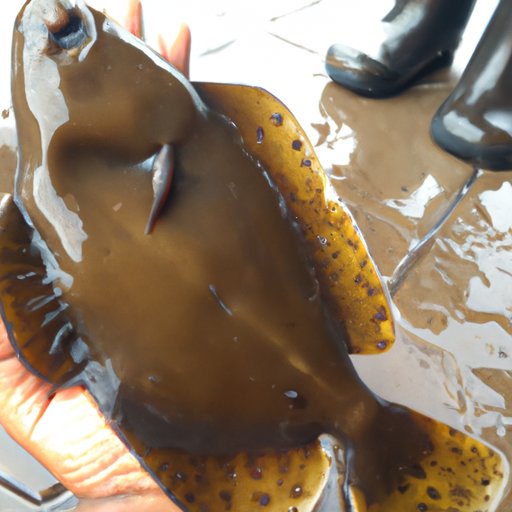
Another important step in preparing for a fishing trip is to familiarize yourself with the types of fish that inhabit the area. Knowing what species are present and where they typically feed and spawn can help you target the right areas and choose the best baits and lures. For example, largemouth bass prefer shallow, weedy areas, while trout prefer cold, fast-moving streams.
Practice Casting
Casting is an important skill for successful fishing, so it’s important to practice before heading out. Developing your technique and accuracy is key, as this will help you get your bait in the strike zone and bring in more fish. Start by practicing in an open area, then gradually move closer to the water until you feel comfortable casting into it.
Prepare for the Weather
Finally, prepare for the weather conditions you may encounter while fishing. Dress appropriately for the conditions, and bring plenty of sunscreen, insect repellent, and other necessary items. Also, be sure to bring a first aid kit and a life jacket in case of an emergency.
Conclusion
Fishing is an enjoyable outdoor activity that can provide hours of entertainment. To get started, it’s important to research the basics of fishing, choose a suitable fishing spot, assemble the necessary gear, obtain a valid fishing license, learn about local fish species, practice casting, and prepare for the weather. By following these steps, you can ensure a successful and safe fishing trip.
(Note: Is this article not meeting your expectations? Do you have knowledge or insights to share? Unlock new opportunities and expand your reach by joining our authors team. Click Registration to join us and share your expertise with our readers.)