
Introduction
Courier delivery businesses provide a valuable service by delivering packages, documents, and other items from one location to another. These businesses offer their customers convenience and peace of mind that their deliveries will arrive on time and in good condition. If you are interested in starting a courier delivery business, this article provides an essential guide for doing so.
Definition of Courier Delivery Business
A courier delivery business is a type of transportation service that specializes in the delivery of goods, documents, and other items from one location to another. Traditionally, courier delivery businesses have provided same-day or next-day delivery services, but with the rise of technology, some businesses now offer even faster delivery times. Courier delivery businesses can range from small, independent operators to large companies with hundreds of vehicles and employees.
Purpose of Article
The purpose of this article is to provide an overview of the steps involved in starting a courier delivery business. It will discuss topics such as identifying your target market, researching local regulations and licensing requirements, choosing an appropriate vehicle for delivery, obtaining insurance, and developing an effective pricing strategy. By following the advice in this article, you should be well on your way to starting a successful courier delivery business.
Outline the Steps to Starting a Courier Delivery Business
Starting a courier delivery business involves many considerations, and it is important to take the time to plan and prepare before launching your business. Here are the steps to follow when starting a courier delivery business:
Identify Your Target Market
Before you can begin operating your courier delivery business, it is important to identify your target market. You should consider factors such as the types of goods you will deliver, the geographic area you will serve, and the types of customers you will target. For example, if you are located in a rural area, you may want to focus on larger businesses that need to ship goods long distances. Alternatively, if you are located in an urban area, you may want to focus on smaller businesses and individuals who need to send items locally. It is also important to research your competitors to get an idea of what services they are offering and how you can differentiate yourself.

Research Local Regulations and Licensing Requirements
Once you have identified your target market, it is important to research the local regulations and licensing requirements for operating a courier delivery business. Depending on where you live, you may need to obtain a special license or permit in order to operate legally. Additionally, you may need to purchase insurance to protect your business and customers. It is important to understand the local laws and regulations in order to ensure that your business is compliant.

Choose Appropriate Vehicle for Delivery
The next step is to choose an appropriate vehicle for your delivery needs. There are many different types of vehicles available, ranging from small cars to large trucks. Consider your budget, the size and weight of the items you will be delivering, and the type of terrain you will be driving on when choosing a vehicle. Additionally, you may want to consider investing in additional features such as GPS tracking and cameras to help streamline your operations.
Obtain Insurance for Your Business
It is essential to obtain insurance for your business in order to protect yourself and your customers. This includes liability insurance to protect against accidents, property damage, and personal injury, as well as cargo insurance to protect against lost or damaged goods. The cost of insurance will vary depending on the type of coverage you need, so it is important to do your research and find the best policy for your business.

Develop an Effective Pricing Strategy
When setting prices for your services, it is important to consider several factors. You should consider your overhead costs such as fuel, maintenance, insurance, and labor, as well as the types of services you are offering. Additionally, it is important to consider the competition to ensure that your prices remain competitive. Researching the current market rates and trends can help you develop an effective pricing strategy.
Leverage Technology to Streamline Operations
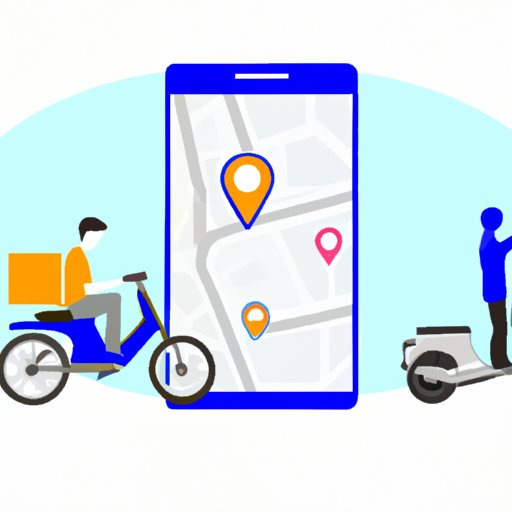
In today’s digital world, leveraging technology can help you streamline your operations and increase efficiency. Investing in software and hardware solutions such as online booking systems and GPS tracking can help you manage orders, track shipments, and reduce paperwork. Additionally, using social media platforms to promote your business can help you reach more customers and increase your sales.
Conclusion
Starting a courier delivery business requires careful planning and preparation. It is important to identify your target market, research local regulations and licensing requirements, choose an appropriate vehicle for delivery, obtain insurance, and develop an effective pricing strategy. Additionally, leveraging technology can help you streamline operations and increase efficiency. By following the steps outlined in this article, you should be well on your way to starting a successful courier delivery business.
(Note: Is this article not meeting your expectations? Do you have knowledge or insights to share? Unlock new opportunities and expand your reach by joining our authors team. Click Registration to join us and share your expertise with our readers.)